
Deacom vs. Aptean Comparison Guide

- Client OS Windows, macOS, iOS, Android, Web
-
Price Range
$ $ $ $ $$ $ $ $ $
- Client OS
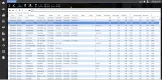
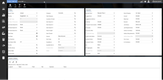
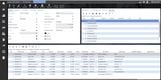
Deacom is a cloud ERP system built for process and batch manufacturers in sectors like food, beverage, chemical, and cosmetics. It includes traceability tools, manufacturing support, quality control, and production development capabilities.
Aptean Food & Beverage is a Microsoft Dynamics 365-based food manufacturing ERP designed for processors, manufacturers, and distributors. Aptean focuses on governance, structured reporting, audit readiness, and compliance, while still supporting production complexity.
Deacom Company Profile
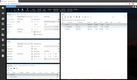
Deacom was founded in 1995 and acquired by ECI Software Solutions in 2021 as its global platform for process manufacturing ERP systems. It has since expanded its capabilities and user reach while maintaining its niche focus on batch production.
It’s an all-in-one enterprise resource planning software that handles everything from formulation to compliance, delivered on a vertically integrated platform that eliminates the need for third-party bolt-ons.
Target Market
Deacom offers two packages based on your company’s size.
Deacom Essentials is for small manufacturers with annual revenue ranging from $5 to $50 million; it offers a cost-effective and intuitive ERP package with core features.
Deacom Enterprise is built for larger manufacturers with revenue between $50 million and $1 billion; it supports meat processing, candy and snacks, consumer packaged goods, dairy, wine, spirits, beer, paint, adhesives, sealants, and more sectors.
Aptean Company Profile
Since its launch in 2012, Aptean has grown through strategic acquisitions and expanded its industry-specific software portfolio globally. Aptean Food & Beverage ERP is a purpose-built solution built on Microsoft Dynamics 365 technology.
As a vertically focused ERP, Aptean addresses key industry needs, including food safety requirements, compliance, traceability, inventory management, and production management.
Target Market
Aptean Food & Beverage ERP typically serves mid-sized to large food companies with 50 to 1,000 employees. It’s especially beneficial for businesses operating within the Microsoft ecosystem (i.e., integration with Dynamics 365, Power BI, Office 365).
Key Features
Deacom Features
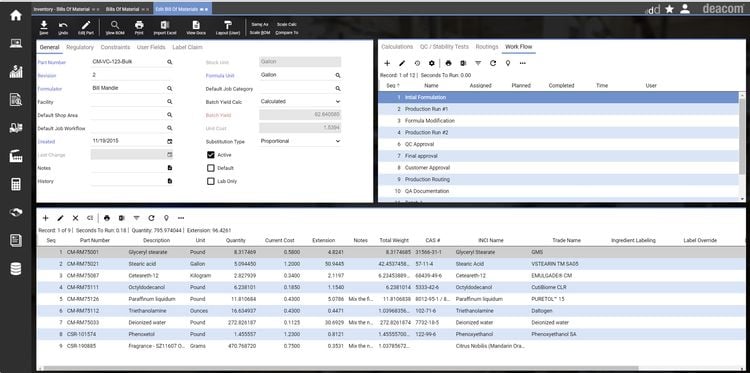
- Quality control & product development Adjust and scale formulas, enforce QC, run stability development tests
- Manufacturing support: Access production, maintenance, inventory, quality tools in one place; includes batch production and weigh-up features
- Regulatory compliance & document generation: Create nutritional labels, batch tickets, invoices, bills of lading, certificates of analysis, safety data sheets
- Traceability: Track a lot’s lifecycle from receiving to shipping; drill down into complete audit trails
- Warehouse Management System (WMS): Includes handheld scanners and GS1-128 barcodes; track batch numbers, best-before dates; real-time inventory transactions
- Accounting: Provides AP, invoicing, financial reporting, cost analysis, profitability analysis
- Supply chain planning: Run MRP, sales forecasting, capacity planning; includes production line scheduling and dock scheduling
- Sales: Access CRM, POS, product configurator, and engineering imports for BOMs
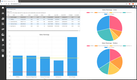
- Mobile app: Get instant system access on the go; includes BI reports on dashboard
- EDI: Provides ANSI-compliant EDI with a Value-Added Network
Aptean Features
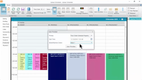
- Manufacturing: Access scheduling and batch management for more accurate forecasting and cost-effective production.
- Quality management: Supports diverse product variations, including weight classifications, regional origin, and packaging formats.
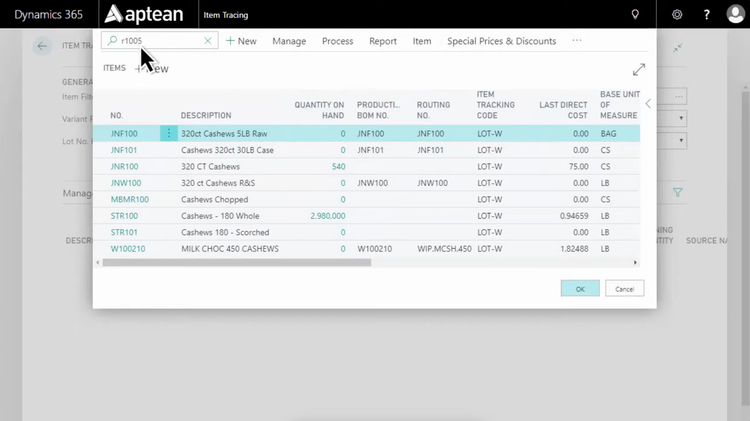
- Food safety/compliance: Optimize compliance efforts with traceability, scheduling, and quality functionality to meet global food safety initiatives and regulations.
- Warehouse/inventory: Manage picks, putaways, and containers to track inventory and its movement throughout your warehouse.
- Business Intelligence: Conduct performance monitoring to make the right decisions from strategic, tactical, and operational perspectives.
- Finance: Monitor business performance and ensure forecasting, planning, and budgeting accuracy.
- Sales: Account for trade rebates and commissions; better manage pricing and customer relationships.
- Purchasing: Leverage historical and real-time data to inform your purchasing schedule.
Key Questions to Ask
1) Does your team think in terms of production context or financial records?
- Does your team start from a job, batch, or lot when they need answers? Or do they prefer to start from a transaction, ledger entry, or report?
- Do production managers and QA staff use the ERP all day, or is usage confined mainly to finance and compliance roles?
- Do you want screens to immediately display production relationships, or do you prefer structured forms and drill-downs?
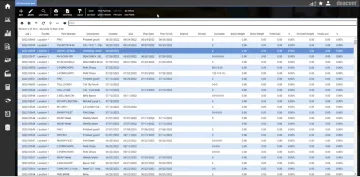
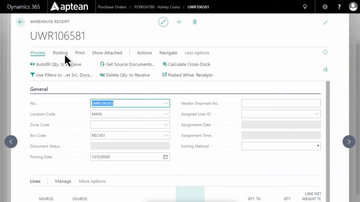
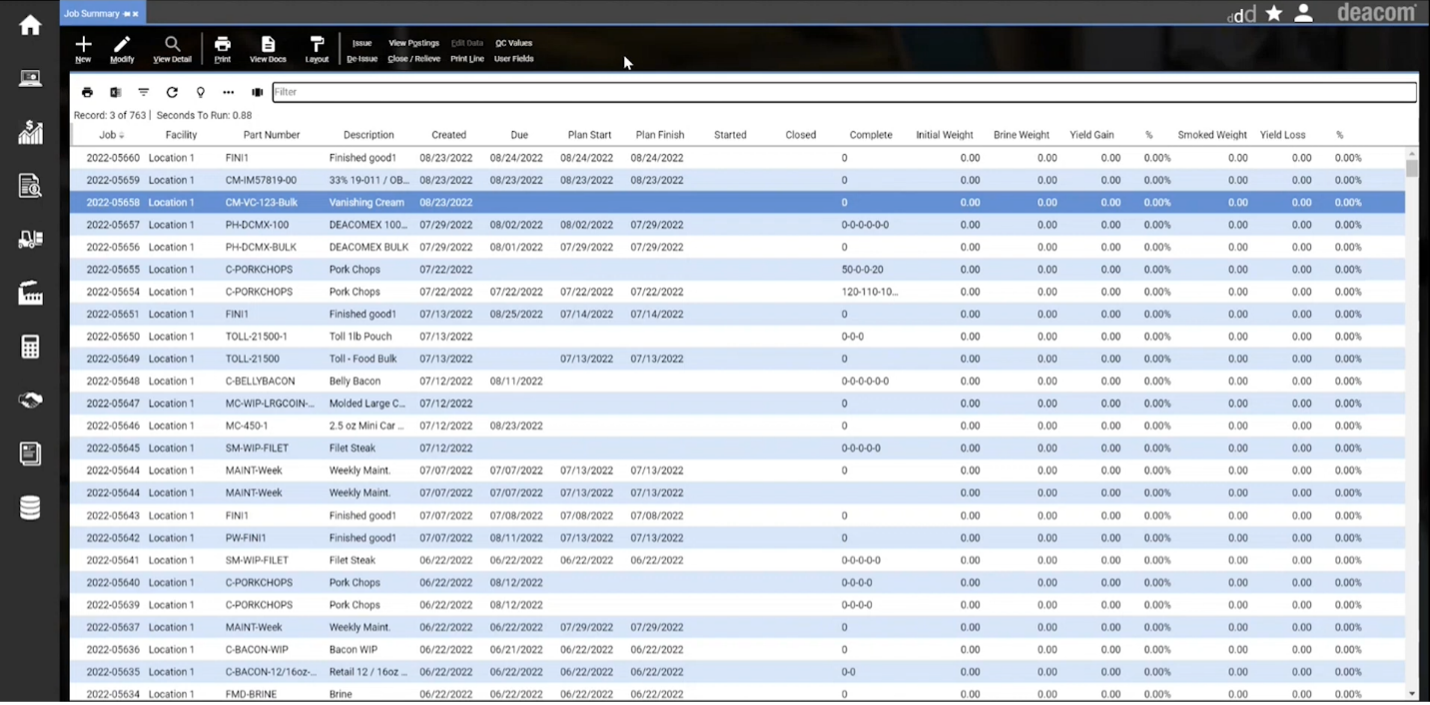
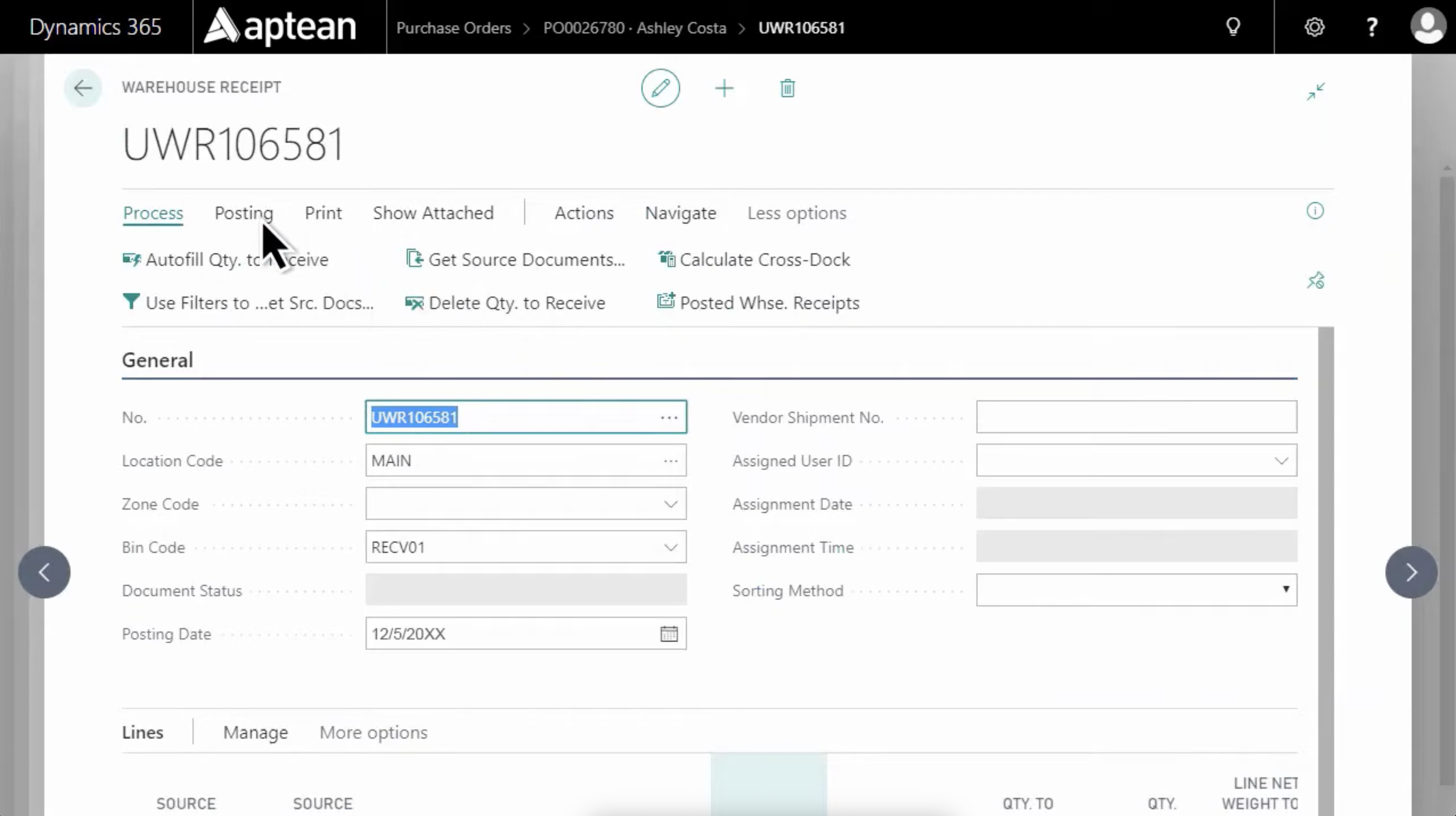
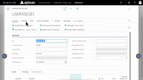
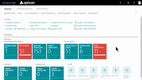
Deacom tends to work best when your processes revolve around lots, jobs, yields, and WIP. Aptean’s UI may feel more natural if you prefer formal records, lists, and document trails.
2) How do you want traceability to work under pressure?
- Do you want to start from the lot and visually see everything a product touched, during a recall? Choose Deacom.
- Or do you want a structured trace path that follows ledger entries step by step? Go for Aptean Food & Beverage ERP.
Ballpark Pricing
Deacom Pricing
- Deacom Essentials starts at $500/month for smaller operations.
- The original Deacom package starts at $5,000/month, providing advanced features.
- Exact Deacom pricing requires a consultation call.
Aptean Pricing
Aptean Food & Beverage pricing requires a consultation call; costs fall in our high-tier ERP range from $150,000 to $500,000 per year. That said, it’s heavily partner-driven. A strong VAR means a strong outcome. A weak VAR means customization creep and reporting pain.
Which Is Best?
When to Choose Deacom
Choose Deacom if:
- You’re a batch or process manufacturer that generates between $5 million and $1 billion in annual revenue.
- You want one platform with minimal third-party add-ons.
- Your operations are process-heavy, and you need strong formula and recipe management.
When to Choose Aptean
Aptean is the best option if:
- Your team is already invested in the Microsoft ecosystem.
- You’re a mid-sized food manufacturer or distributor that needs a highly structured system and can tolerate a smaller partner ecosystem.
- You prefer ledger-oriented, document-based workflows.