

The Best Food Manufacturing ERP Software
Food ERP software makes it easier to ensure quality and safety and track ingredients during a recall. We assessed various platforms based on their industry fit, from dairy to beverage processors.

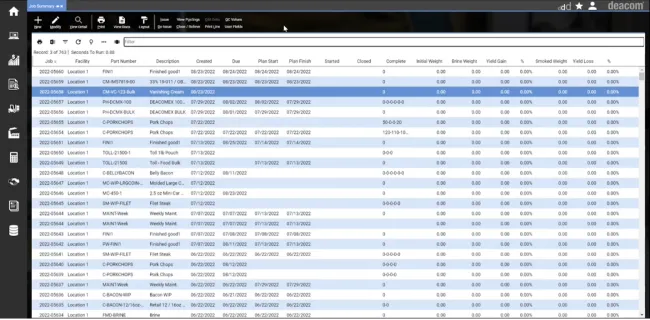
- Infinite serialization levels for diverse requirements
- Integrated QC tests throughout product lifecycle
- Seamless regulatory compliance with ERP foundation
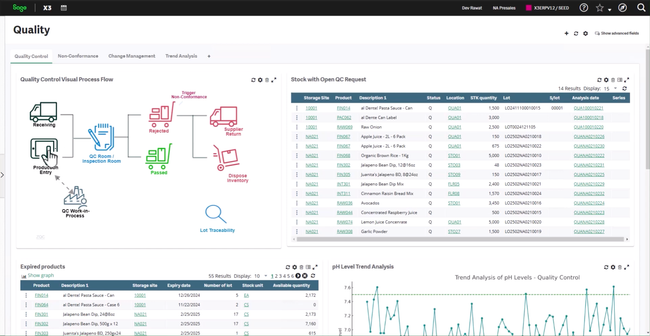
- Compiles data in real-time for better decision-making
- Covers finance, sales, customer service, manufacturing, and more
- Supports multiple languages and currencies
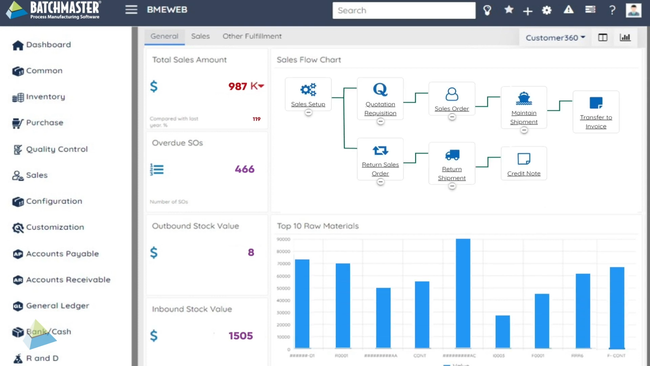
- Comprehensive formula and recipe management
- Seamless integration with leading financial systems
- Includes quality control and compliance features
In this guide, we’ve evaluated the top food manufacturing ERP platforms for the mid- and downstream agrifood supply chain. We considered each system’s feature set, including specialized capabilities like label generation and rework support.
- Deacom: Best for Bakery & Confectionery
- Sage X3: Best for Beverage
- BatchMaster: Best for Dairy
- Food Connex: Best for Seafood Processing
- Aptean: Strong Compliance Tools
- iNECTA Food ERP: Best for Meat and Poultry
Deacom - Best for Bakery & Confectionery
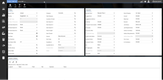
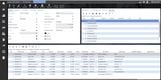
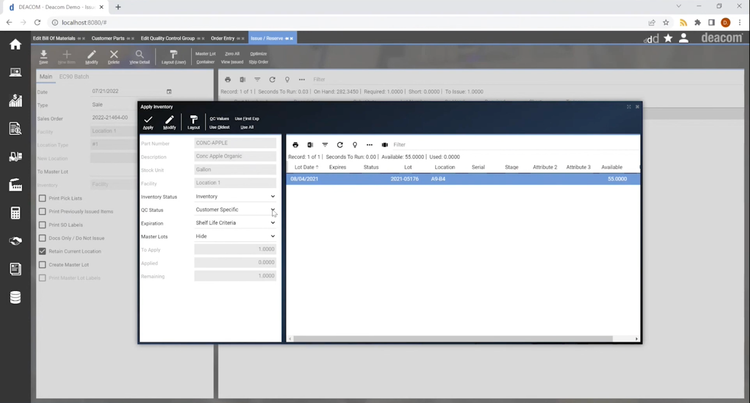
Deacom helps you assess how each ingredient contributes to your final product’s cost. Its ingredient cost tracking module provides options for:
- Average Cost: Calculates a rolling average of ingredient costs over time, like fluctuating prices for cocoa or sugar, to even out short-term price spikes. This promotes stable product pricing.
- Standard Cost: Provides standard ingredient costs to better forecast expenses for new products or high-demand periods like holidays.
- Actual Cost: Reflects true costs to help respond to margin shifts from premium items like fresh dairy or seasonal fruit; helps determine whether to adjust pricing, alter recipes, or negotiate with suppliers.
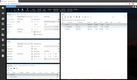
This food and beverage ERP also rolls up labor and material expenses into the final product cost, giving you a full overview of your total production expenses. Its routing features allow you to set machine and labor costs based on standard production metrics, like units produced per hour, to visualize how operations affect your product costs.
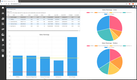
By combining ingredient, labor, and operational costs, Deacom helps bakeries set prices that maintain profitability, even when ingredient costs fluctuate over time. This means live cost tracking and proactive margin control to manage your production costs tightly, ensuring each batch stays on target.
If you want comprehensive functionalities like lot tracking and compliance features, Deacom starts at $5,000 for the full-scale ERP. However, smaller batch and process manufacturers can turn to Deacom Essentials starting at $500/month.
Read more about Deacom ERP on our product page.
Sage X3 - Best for Beverage
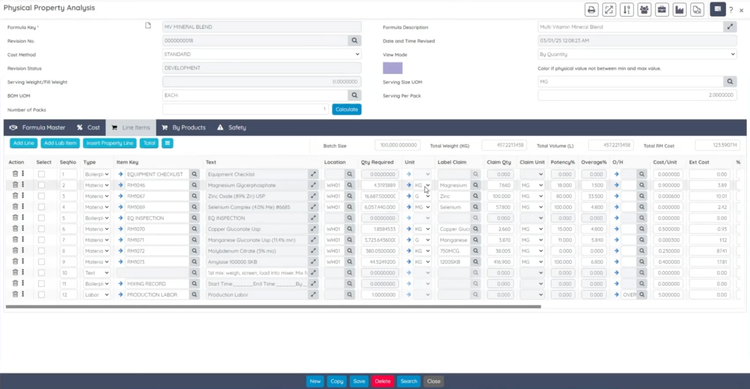
Sage X3 offers a comprehensive recipe and formula management module that helps keep beverages consistent across batches. You can manage multiple recipe versions for each drink without losing your formulations. So if you have seasonal flavors or supplier changes, you can maintain recipe integrity and remain flexible. This is huge for sectors like sports drinks, beers, or sodas, where different flavors are added and removed multiple times throughout the year.
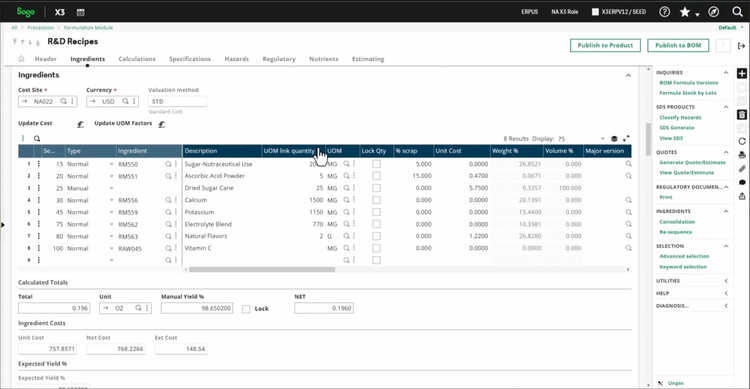
Additionally, the module includes effective recipe scaling. This means you can adjust batch sizes up or down and still keep the correct ingredient ratios. It easily handles multiple units of measure conversions, including gallons or liters. From there, you can instantly preview your yield, cost, and batch resizing. So if you have seasonal demand shifts, like hot chocolate in the winter, Sage X3 can ensure the proper amount of ingredients as you scale up production.
Sage X3 offers a full food and beverage manufacturing suite, with features like batch tracking, advanced production planning, and quality control. Because of its flexibility and breadth of features, it requires a custom quote for specific prices. That said, the cloud version starts around $25,000/year for a basic setup.
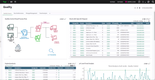
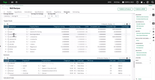
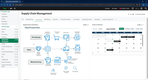
Get pricing details on Sage X3 and more on key features.
BatchMaster - Best for Dairy
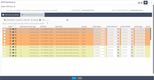
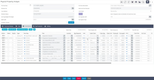
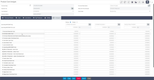
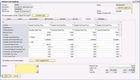
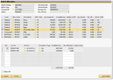
BatchMaster’s industry-specific compliance tracking makes it a good option for dairy manufacturers. For example, it has FDA Grade A Pasteurized Milk Ordinance (PMO) compliance built in. So in the inventory module, you can set up quality inspection guidelines and track temperature to make sure it is stored at proper levels and up to your standards. That way, when the FDA inspects your product, you can receive the essential “Grade A” rating.
In the event of a recall, BatchMaster supports backward tracing by linking sales orders or lot numbers back to their production sources. If a compromised ingredient is found, you can use the traceability tool to identify which supplier batches it came from so you can isolate affected products. This can prevent recalls from escalating further and supports proactive rather than reactive quality management.
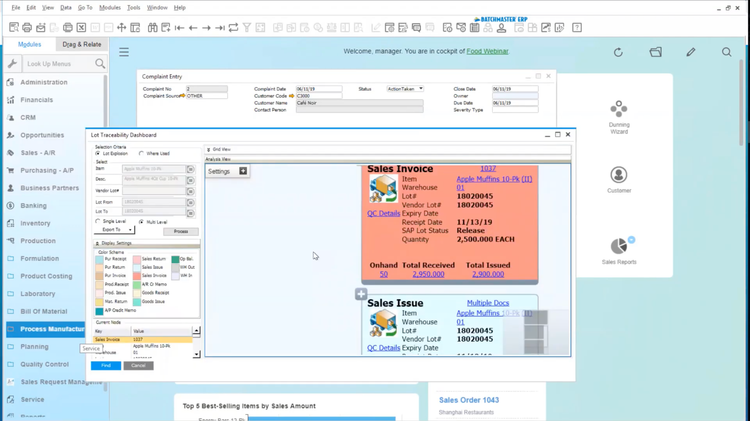
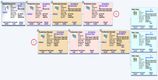
Additionally, BatchMaster includes built-in root cause analysis, linking non-conformances directly to CAPA records. It then provides a graphical tool to view batch paths, so you can trace the entire production and distribution path of a lot, both backward and forward. Plus, the system even captures and links customer complaints to batch records, making any issues over spoilage or contamination immediately traceable.
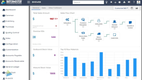
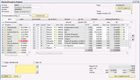
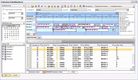
That said, the user interface could be more streamlined. It’s designed using Microsoft’s .NET framework, bringing traditional buttons and navigational panes. However, it also integrates with Microsoft products like Excel or Dynamics 365 CRM, making it familiar and easy for teams already using that product ecosystem.
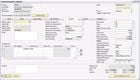
Check out pros, cons, and pricing on our BatchMaster product page.
Food Connex - Best for Seafood Processing
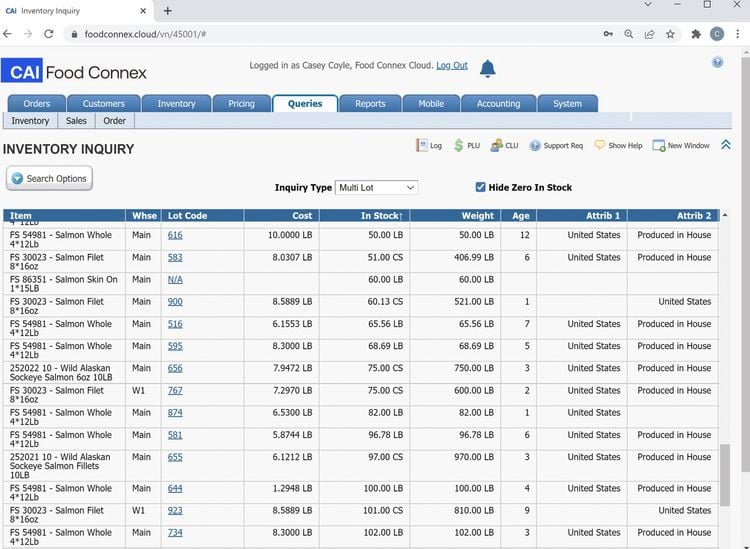
Food Connex includes a dynamic inventory management and lot tracking module. As shipments arrive at your plant, this food ERP software allows you to instantly assign a unique lot number and batch code to each delivery. For each number, you can drill into supplier details, catch date, and quality assessments performed.
This inventory control module captures all product details in real time, so it’s easy to customize downloadable reports in Excel and CSV. These reports can give you detailed insights into product movement, order history, and stock levels, helping your managers make better decisions about replenishment and pricing adjustments.
It’s also great for maintaining compliance with HACCP and FSMA regulations, which are crucial for food safety. The system automatically updates the status of your fish as your team logs activities in the system, so you have full transparency as you cut, package, and freeze them. From there, tracing all products through the processing lifecycle is easy during a recall.
Overall, it’s a solid pick for food processors graduating from spreadsheets or QuickBooks. It’s best for small to mid-sized companies with straightforward warehouse configurations. Also, multi-slot capabilities will be available in their September 2025 release for upgraded tiers.

Aptean - Strong Compliance Tools
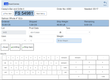
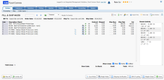
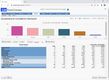
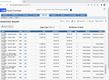
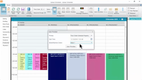
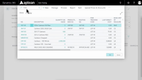
Aptean Food and Beverage offers a strong bidirectional item and lot tracking feature, vital when audit readiness and recall execution are a priority. This traceability is built around ledger entries and source documents. Lot numbers logged at receipt carry through production and distribution. This means you’ll always have access to a full audit trail you can follow forward or backward. This aligns well with HACCP reviews and regulatory inspections for better clarity and documentation.
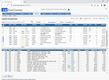
Recall management in Aptean takes a similar approach, providing structured tracing paths through receipts, production orders, and shipments. If a contamination event occurs, you can quickly identify any impacted customers, determine the compliance timelines, and then present those findings to your retail partners or auditors. You can follow the whole trail through Dynamics-style drill-downs.
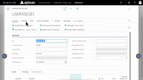
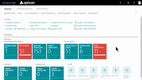
Built on Microsoft Dynamics, Aptean’s interface relies heavily on lists and forms. If you’re already leveraging the Microsoft ecosystem, this familiarity can help your team adopt the system faster. The trade-off is that, if Microsoft changes underlying platform components, you change with them. That could include infrastructure choices, release cadence, and how your implementation partner operates.
iNECTA Food ERP - Best for Meat and Poultry
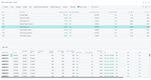
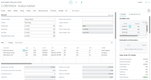
iNECTA Food ERP offers native modules specific to the meat and poultry industry, instead of bolting on features to a generic ERP. Specifically, its catch-weight management helps you get accurate stock levels throughout your processes. Meat rarely comes in fixed units, and iNECTA captures actual weights at receiving, production, and shipping. From there, it keeps those variable weights through inventory, costing, and pricing automatically, so everything stays accurate.
It also supports primal and sub-primal cut management, which reflects how protein plants actually produce and sell their products. Through every fabrication step, iNECTA lets you track yield so you can see exactly how much you actually produce. The real-time yield visibility helps you adjust cutting instructions, see underperforming lines, and protect profit margins across the plant.
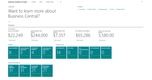
iNECTA Food ERP is the natural upgrade path if you’re already using Microsoft Business Central or Office 365. Because iNECTA is built directly on top of Business Central, it extends the ERP’s native capabilities. That way, you can stay on the familiar interface while becoming compliant with USDA, FSIS, and HACCP regulations.
Though iNECTA requires a consultation call for pricing, first-year budgets can be around $150,000. This includes implementation costs, making this food ERP best suited for mid to large-sized food manufacturers. That said, iNECTA also supports other industries, such as seafood, bakery, and beverage.
Learn more about iNECTA Food ERP.
Other Systems We Like
Wherefour ERP is another solid option for food and beverage manufacturers of all types. It features full lot traceability, MRP, production, and inventory features to streamline processes from formulation to delivery. It’s a great way for manufacturers and distributors to become compliant with FSMA 204 before the official deadline.
What is Food Manufacturing Software?
Food manufacturing software is an ERP system supporting production, processing, and distribution operations in the agrifood value chain, where perishable goods move from the plant floor to the plate. These platforms include quality control, inventory management, and compliance tools to adhere to food safety regulations. Federal and state regulatory agencies establish these:
- U.S. Food and Drug Administration (FDA)
- United States Department of Agriculture (USDA)
- Environmental Protection Agency (EPA)
These regulations can include:
- Food Safety Modernization Act (FSMA): The FDA Food Safety Modernization Act (FSMA) was signed into law to shift focus to preventing foodborne illnesses instead of just responding to incidents. The FSMA addresses food safety at different points along the global supply chain. For more information on compliance dates, visit fda.gov.
- FSMA 204 - Also known as the Food Traceability Rule, is a nationwide standard that anyone handling food must adhere to. Key compliance requirements include having a traceability plan, tracking key data elements (KDEs) like lot codes, and being able to provide all traceability information within 24 hours of a request. The deadline for compliance was pushed back 30 months from January 20, 2026, to July 20, 2028. Learn more on our FSMA 204 Compliance Guide.
- Hazard Analysis Critical Control Points (HACCP) - Track and monitor food storage, handling, and preparation processes to reduce hazard risks and take corrective action as needed.
- 2002 Bioterrorism Act - Tracking every product batch and matching ingredients with their individual batch number.
- Current Good Manufacturing Processes (cGMP) - Keep thorough records of sanitation, staff qualifications, and equipment verification to minimize contamination or errors in the manufacturing process.
- FDA 21 CFR Part 11 - Ensure electronic records are authentic and secure with digital electronic signatures, validation scripts, audit trails, and additional security features.
What is Food Traceability Software?
Food traceability software lets you track products or ingredients throughout the production cycle. It assigns barcodes or QR codes to every ingredient batch, recording its origin, handling stages, and destination as it moves through processing to distribution. This allows you to respond quickly to safety incidents and manage recalls for affected inventory.
If you only want to track and trace, check out our list of the top food traceability software.
Challenges
Food and beverage processors face a number of challenges related to labor, consumer demand, and compliance.
Conforming to Safety Regulations
Ensuring food safety is a top priority since violations can lead to costly recalls and loss of trust in your brand. Many companies pursue advanced food safety certification to help meet strict regulatory compliance standards and reassure consumers about product quality. These certifications require thorough record-keeping and quality and compliance monitoring to adhere to requirements set by agencies like the FDA and USDA.
Labor Shortages
According to AIB International’s article, “How to Improve Food Manufacturing Recruitment Amid the Labor Shortage”, as many as 73% of food and beverage manufacturers are having difficulty finding talent. More baby boomers are retiring, and hiring qualified workers to operate the equipment is becoming more difficult as automation grows.
Fluctuating Consumer Demand
Seasonal trends, health and wellness movements, and economic factors cause consumer purchasing patterns to fluctuate. This results in unpredictable demand cycles affecting your production planning and stock management. For example, health-conscious consumers who want to know where their food comes from may prefer organic produce and alternatives like using spices to color food instead of dyes. There has also been a shift from fat-free foods to high-saturated fats like natural oils, full-fat dairy products, and grass-fed meat.
This unpredictability makes it difficult to manage optimal inventory levels, which can cause stockouts or overproduction that hurts your bottom line. To keep up, you’ll need demand forecasting capabilities to stay agile and respond to rapid changes in consumer tastes.
Regulatory Pressures
Agencies like the FDA and USDA establish strict regulations that can vary by product type and market. To avoid steep penalties and costly recalls, you’ll need to log meticulous records and have thorough quality control processes in place. Failure to comply can damage your brand’s reputation and lead to a loss of consumer confidence.
Increasingly, manufacturers are turning to software to address these challenges. Aptean’s Food and Beverage 2024 Trends and Outlook Report showed that, for those choosing to automate, the average rate of growth was 20% higher than those relying on manual processes.
Key Features & Benefits
Food processing software can help
| Feature | Description | Benefits |
|---|---|---|
| CRM System | Manages interactions with end consumers, retailers, and distributors for feedback on product quality and preferences. | Enhances distributor relationships and helps identify consumer trends. |
| Accounting and Financials | Tracks ingredient costs, reports batch profitability, and manages financial aspects of food manufacturing. | Supports financial planning and accurate profitability analysis on profit margins per batch; informs pricing strategies. |
| Purchasing | Organizes ingredient procurement from certified vendors, adjusting based on demand. | Streamlines procurement to improve efficiency, ensure quality, and reduce delays. |
| Distribution | Manages store and distributor replenishments, inbound/outbound activities, and inter-warehouse transfers. | Optimizes distribution channels to keep products fresh and reduce spoilage with quicker delivery times. |
| Product Development Tools | Uses advanced programming to introduce new products meeting nutritional and financial specs. | Speeds up product development to meet consumer demand and market trends. |
| Quality and Compliance | Ensures compliance with industry standards on labeling, allergen declarations, lot traceability, and recalls. | Simplifies compliance tracking and supports effective recall management if needed. |
| Sales | Manages distributor quotes, tracks campaigns, oversees discounts and promotions for high-demand or seasonal periods. | Improves sales effectiveness and optimizes promotional impact. |
| Inventory Control | Provides demand planning and production scheduling to optimize material procurement and production. | Reduces waste and overstocking, minimizes waste of perishable ingredients. |
How to Choose Software
By identifying your needs based on your industry, you can choose an ERP system that aligns with your production goals:
| Sector | Estimated US Market ($M) | Example Products | Recommended Software Platforms |
|---|---|---|---|
| Meat & Poultry Processing | 200 | Beef, Chicken, Pork Products | iNECTA Food ERP |
| Dairy Processing | 150 | Milk, Cheese, Yogurt | BatchMaster ERP |
| Beverage Manufacturing | 100 | Soft Drinks, Alcohol, Juices | Sage x3 |
| Bakery Product Manufacturing | 80 | Bread, Pastries, Cakes | Deacom |
| Fruit & Vegetable Processing | 70 | Canned Vegetables, Dried Fruits | Food Connex |
| Snack Food Manufacturing | 60 | Chips, Nuts, Granola Bars | JustFood |
| Seafood Processing | 50 | Shrimp, Crab, Fish Products | Food Connex |
| Frozen & Prepared Food Manufacturing | 45 | Frozen Meat, Poultry, Vegetables | Aptean Food and Beverage ERP |
You should also base your ERP decision around your company size:
Small to Mid-Size Businesses
SMBs should look for the following features in an ERP system:
- Compliance Management: Without extensive compliance teams found in larger companies, small businesses need to rely on software to help adhere to local and federal regulations.
- Accounting Integration: Small companies should look for platforms that integrate with their current accounting systems, like QuickBooks Online to simplify their financial reporting.
- Recipe Management: Build a strong brand reputation in an increasingly competitive market through tight recipe management, ensuring standardized production and consistent food quality.
- Cost-Effective Options: Consider a cloud-based, SaaS solution with low upfront costs and predictable monthly sees to fit your smaller budget.
Enterprises
On the other hand, large companies should look for more advanced functionalities:
- Demand Forecasting: Project product demand to minimize waste and better manage your inventory for optimized production.
- QC Testing: Implement quality control tools to help maintain food safety and meet industry standards, building consumer trust.
- Ingredient Control: Manage bulk ingredients and track their usage to help balance stock levels, avoiding overstock and shortages.
- Advanced Compliance Management: Go for more sophisticated compliance functionality to adhere to multi-level regulatory requirements across regions.
- Traceability Tools: Track ingredients from origin to the finished product in case of recalls and to increase transparency with consumers.
Pricing
Food processing ERP can cost anywhere from $15,000 to over $150,000 per year, depending on your company’s size and operational needs.
Basic ERP Systems ($15,000 - $40,000 per year)
These systems provide core functionalities for smaller food manufacturing businesses. They include basic inventory management, production planning, and order tracking without the extensive customization options found in higher tiers. Although these systems may lack industry-specific tools, they’re affordable for businesses in the early stages of growth or those with simpler workflows.
Mid-Tier ERP Systems ($40,000 - $110,000 per year)
Mid-tier ERPs support a broader range of functionalities, such as demand forecasting and a higher degree of flexibility and customization. This means you can tailor the ERP software to meet your unique needs in food processing, distribution, and quality management.
Enterprise-Level ERP Systems ($150,000+ per year)
These platforms cater to large, multi-facility food manufacturing companies with complex operational demands and regulatory requirements. Enterprise-level ERP includes real-time production monitoring, multi-level lot traceability, and detailed reporting to meet food safety standards.
For each of the tiers above, implementation often involves a substantial upfront cost, commonly around twice the annual license fee. This cost includes setup, customization, and training to integrate the ERP into your manufacturing operations.