
Modern ERPs: 4 Systems Manufacturers are Switching To
Traditional ERP vendors like SAP and Oracle have had a stranglehold on the market for decades. But as more and more manufacturers need more flexible options, several new products are looking to shake up the market in 2026 and beyond. This guide will go through the advantages and disadvantages of both traditional and modern ERP systems and spotlight four of the top options companies are turning to.
Traditional vs Modern ERP
Manufacturing enterprise resource planning (ERP) software is a full suite of modules that integrates financials, sales, and production into one system. This has historically resulted in platforms being more standardized to work across every department. But as systems evolve, smaller companies are starting to prioritize flexibility over rigid out-of-the-box workflows.
Traditional ERP
Traditional ERPs like SAP Cloud ERP and Oracle Fusion Cloud ERP are the de facto products for most large manufacturing companies. These are designed to standardize your entire global supply chain and keep all your data on one system. But because of the size and data volume, they can be rigid and expensive to customize.
Advantages
- Proven at Scale: These products have been used for decades at scale in large global organizations with complex supply chains.
- Deep Functional Coverage: Very strong depth in areas like MRP, costing, compliance, and financial controls. Even niche industries have supported features.
- Large Partner Ecosystem: Many certified consultants, system integrators, and industry specialists available.
- Long-Term Vendor Viability: Backed by large vendors with predictable roadmaps and long product lifecycles.
Disadvantages
- Long Expensive Implementations: Projects often take 12-24+ months with significant consulting and internal resource costs.
- High Customization Cost: These platforms are built to work out of the box; changes frequently require custom code at a high cost.
- Heavy Admin Overhead: Requires specialized ERP administrators and ongoing support teams.
- Rigid Process Models: Businesses often have to conform to the software rather than the software adapting to the business.
Modern ERP
As manufacturers and the market as a whole have long complained of rising subscription costs, data lock-outs, and inflexible architectures, more modern products have emerged to solve these problems. Developed with AI built in, not bolted on, and with low-code customizations and faster implementation times, these are attempting to cater to the small to midmarket companies that need flexibility instead of multinational supply chain logistics.
Advantages
- Faster Implementation: Many new ERPs can go live in weeks instead of several months or even a year, because they’re lighter and more modular.
- Better Usability: Heavy focus on having a clean UI, simpler navigation, and less training time, especially for shop floor and operations teams.
- Flexibility: Low-code tools make it easier to adapt workflows to how you actually run production.
- API-First Integrations: Typically easier to connect with best-of-breed tools, like MES, WMS, and eCommerce sites. AI-Native: These systems are built from the ground up with AI at the center of how you use the system, instead of AI being added later and working around current workflows.
Disadvantages
- Not Ideal for Large Companies: These products are built to be lightweight and flexible, not for super complex use cases.
- Less Developed Features: New ERPs are usually thinner in certain advanced modules compared to systems that have been on the market for 10+ years.
- More Frequent Updates: Faster release cycles can introduce bugs, UI changes, or workflow breakage.
Top Modern ERPs
Tangle ERP
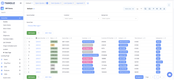
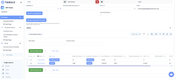
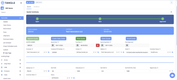
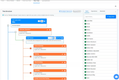
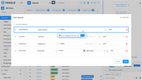
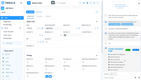
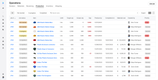
Tangle ERP is a strong option for small to midsize discrete made-to-order manufacturers that want to consolidate their processes without the overhead of an enterprise system. It includes built-in AI intelligence (MILO) that uses logic to customize your workflows, create schedules, and even help transfer your data.
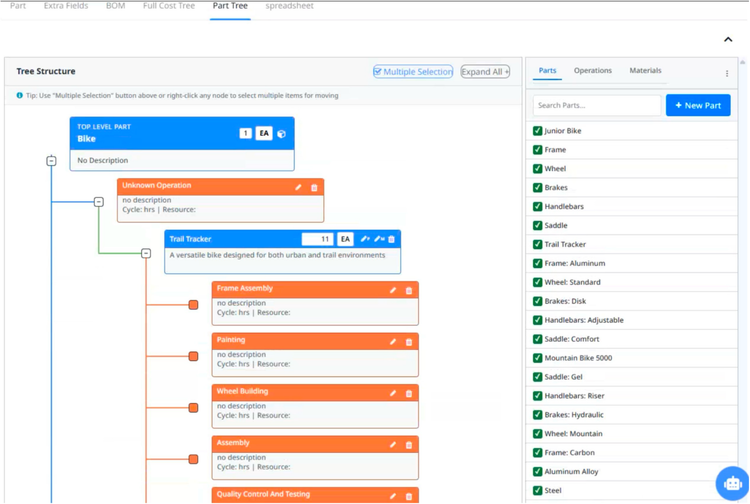
This system is full of manufacturing modules, like a flexible quoting system, capacity planning, quality control, and real-time inventory management. And with the UI builder and low-code tools, your development team can really shape it to reflect your exact processes. Pricing starts at $1,000/month, and implementation only takes weeks, not months.
Digit Software
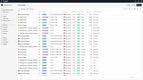
Digit Software is a great fit for almost every type of small business manufacturer, but it really stands out in the food and beverage industry. The system includes automatic batch and lot tracking, a must-have for tracing ingredient origins and finished-good distribution. From there, the software keeps a history of each item for faster audits and internal reviews.
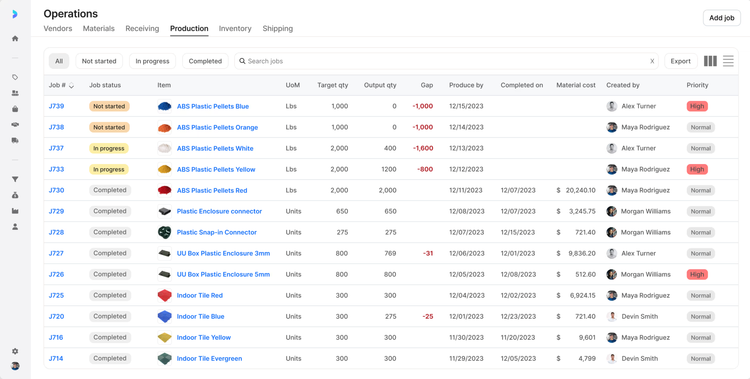
But where Digit really sets itself apart is the interface and implementation time. The UI is clean, modern, and easy to navigate. This makes a huge difference in the adoption of the system and in your team’s training time. As for implementation, it takes 90 days on average–a huge upgrade from traditional ERPs. Even better, the pricing is public, beginning at $249/month for the Starter plan.
Tailor ERP
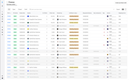
Tailor ERP calls itself a “headless ERP” because of its API-first architecture, which decouples the backend core functionalities from the frontend user interface. This allows you to fully customize its UI for different teams and make rapid changes without overhauling the entire system or needing the development team to write custom code. Plus, you can create seamless API integrations with every platform you need, from sales channels to your own AI agents.
For manufacturers, Tailor is best for manufacturers that need full order fulfillment from their retail and eCommerce channels. This can be any production method, from make-to-order to batch. Its features include multi-level BOMs, material allocation, and cost accounting. It even has an AI-powered inventory management system that uses OCR extraction to get data from messy POs and PDFs.

DOSS Operations Cloud ERP
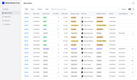
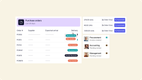
DOSS is a solid option if you both manufacture and distribute your products in-house, and if you’re in a high-volume industry like consumer packaged goods or food. It has a full suite of features you can purchase modularly, like WMS, MRP, order management, and distribution. You can even build your own module if you want it to match your exact workflows.
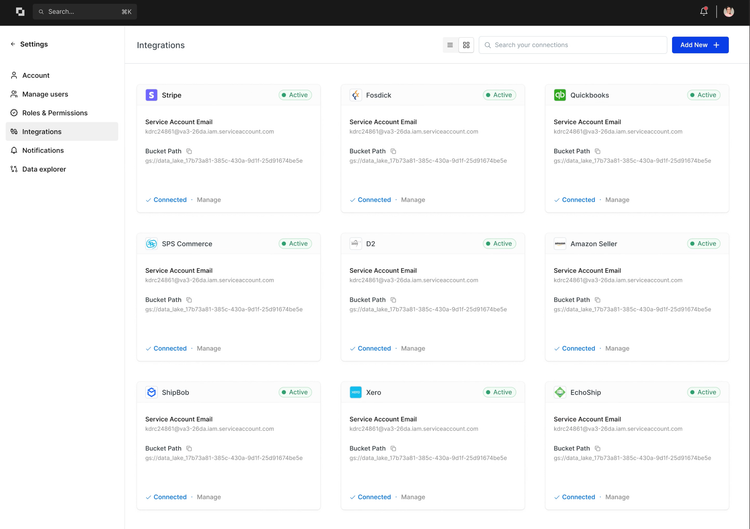
But even with its strong features out of the box, it’s very flexible. The IDP platform is an extra cloud layer that handles integrations and data storage to unify your operations. It can connect with over 100 partners using a hybrid transactional/analytical processing (HTAP) database, so all your info is synced. It even has its own accounting module, though you may be better off integrating your current platform, as DOSS’s operational features are stronger than its financials.
Choosing the Right Fit
Choosing an ERP isn’t about picking the newest system or the one with the most features. It’s about selecting a platform that aligns with how your business actually operates today, and how you want it to operate in the future.
Traditional ERPs make the most sense if you’re a larger company with highly complex processes, global operations, and in need of embedded financial modules. In these instances, stability, depth, and proven scale often matter more than flexibility or a slightly more modern UI.
Modern ERPs can be a better fit for smaller to mid-sized manufacturers that value faster implementation, easier customization, and built-in AI automations. So if you’re growing quickly or struggling with rigid systems, these types of options can work well.