Best Quality Management Systems (QMS)
QMS software can help manufacturers meet ISO 9001, FDA, and industry-specific standards. We reviewed the top platforms for traceability, risk management, and compliance.

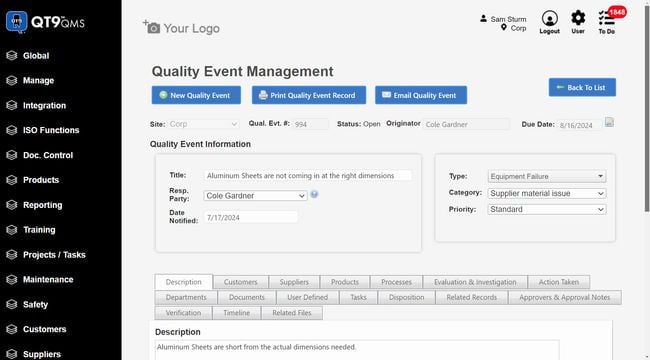
- Flexible deployment options with access on all devices.
- Has 25+ pre-installed modules for advanced functionality.
- Full validation included for life sciences companies.
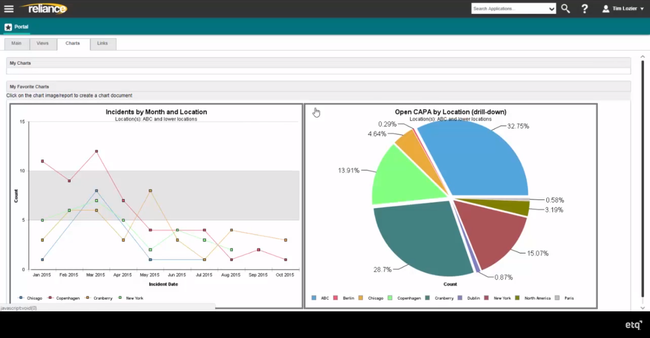
- Provides in-depth audit trails
- High configurability and customization options
- Ready to use best practices
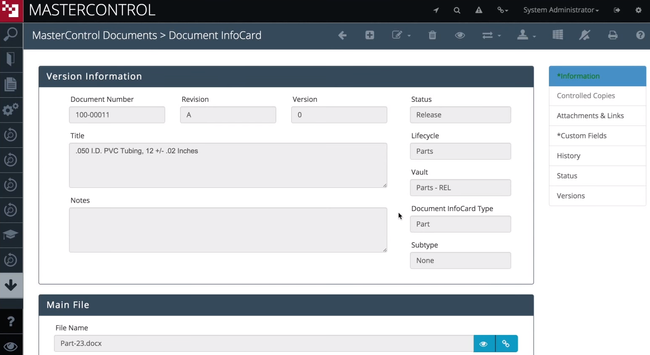
- Completes validation quickly
- Includes automated notification system
- Seamless integration between modules
QMS software can align your processes with industry standards, from pharmaceuticals to heavy manufacturing. After comparing the top platforms through our independent review process, here are our picks.
- QT9 QMS: Best for Pharmaceuticals
- Octave Reliance: Best for Manufacturing
- MasterControl: Best for Medical Devices
- Singlepoint: Best No-Code QMS for Manufacturing
- Ideagen: Best for Food and Beverage
- Greenlight Guru: Best Integrated Design Controls
- Unifize EQMS: Best for Automotive
- QAD EQMS: Best Supplier Quality Management Tools
- Harrington QMS: Best for ISO Quality Compliance
- Qualio: Best Document Management Tools
- Uncountable: Best for R&D and Formulation
- Qualityze: Best Configurable EQMS
- Intellect QMS: Best for Aerospace
- ComplianceQuest: Best Salesforce-Native QMS
QT9 QMS - Best for Pharmaceuticals
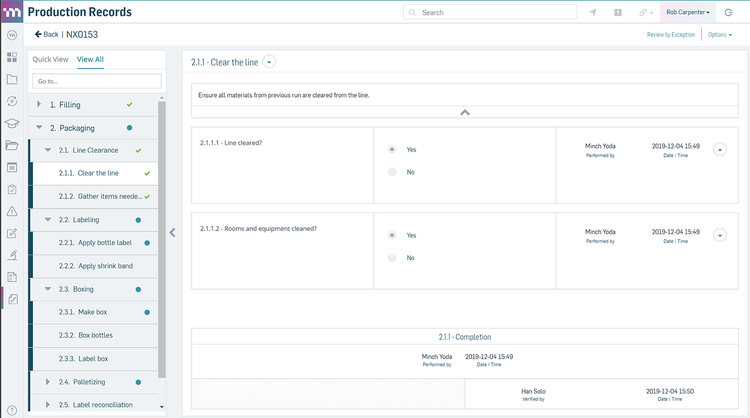
QT9 QMS allows you to create master batch records (MBR) and electronic batch records (EBR) in just a few clicks:
- MBR: A static document prepared before production with formulas and quantities for raw materials and step-by-step manufacturing guidelines; also outlines required equipment and quality control checkpoints to ensure compliance with cGMP standards.
- EBR: Records the production process for a specific pharmaceutical batch, capturing actual material usage and process conditions like temperature; logs real-time equipment performance, QC test results, and electronic signature approvals that support FDA 21 CFR Part 11 requirements.
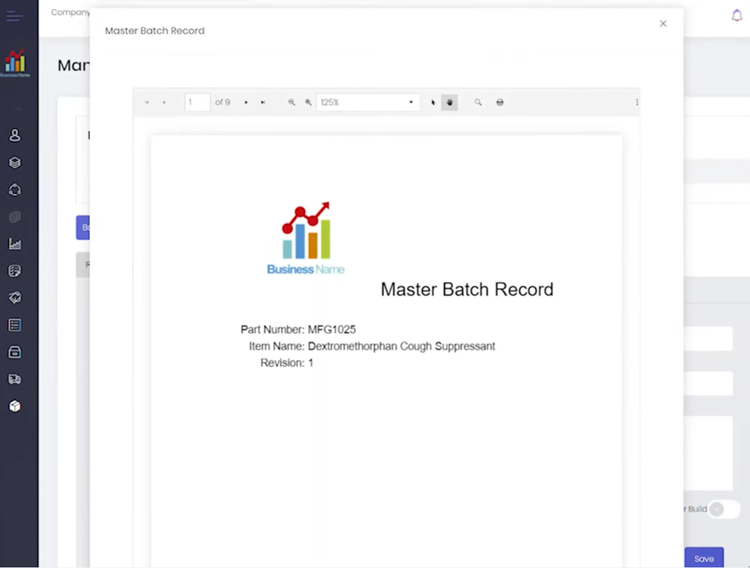
The system links production jobs, materials, inspections, and approvals to each batch record, so quality results stay connected to their batch. If an inspection fails, like a QC test for endotoxin levels, QT9 automatically creates a nonconformance report and alerts your team. This gives your production team time to halt operations, investigate, and resolve the problem before it impacts patient safety.
Pricing isn’t published, but quotes we reviewed in early 2025 came in around $2,200 per concurrent user per year for the base package, with all modules included. Implementation and training are billed separately.



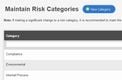
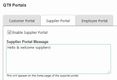
Get pricing details, pros, and cons in our QT9 QMS review.
Octave Reliance - Best for Manufacturing
Octave Reliance (formerly ETQ Reliance) uses a closed-loop quality process that connects root cause analysis (RCA), non-conformance reporting, and supplier corrective actions in one platform. It integrates with ERP, MES, and PLM systems, so quality records connect to production data. In manufacturing, where one missed issue can prompt downtime or rework, Octave shifts quality control from a reactive checklist into a proactive process that protects uptime and margins.
Non-conformances trigger built-in workflows, guiding your team through structured RCA tools like 5 Whys, fishbone diagrams, and Pareto charts. Octave will prompt them to evaluate the severity and impact using predefined criteria. From there, your quality engineers can create an action plan with clear task assignments. This means fewer delays and faster resolutions, keeping your production schedules on track.
Octave Reliance also extends upstream. If the issue stems from a vendor, the platform launches a SCAR (Supplier Corrective Action Request). SCARs follow the same corrective action and root cause procedures as internal issues, so supplier problems get the same tracking and follow-up. Overall, it’s a solid pick for larger manufacturers dealing with diverse supply chains and compliance with standards like ISO 9001.
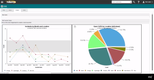
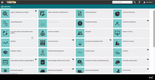
Find out if Octave Reliance is right for your operations.
MasterControl - Best for Medical Devices
The connected document control in MasterControl Quality Excellence keeps every SOP and work instruction under version control with time-stamped audit trails and electronic signatures. Each controlled document links to its training, so when a procedure changes, the system automatically assigns training on the new version to affected staff.

That closed loop between documents and training is what makes the system well-suited for medical device makers working under FDA 21 CFR Parts 820 and 11. Quality events run through the same environment: nonconformances and CAPAs are logged and routed for approval, then traced back to the product or process behind them. If a recall risk surfaces, you can pinpoint affected lots and root causes without digging through disconnected systems, then hand regulators a complete audit trail. That way, you can protect patient safety and respond confidently to regulators.
To meet FDA 21 CFR Part 11 requirements, this software also supports electronic signatures, confirming that only authorized staff performed key actions, like approvals, inspections, and verifications. Plus, it links employee training records to the documents and processes they cover, so you can show auditors who is trained on what.
MasterControl doesn’t publish pricing. Third-party estimates put annual costs anywhere from about $25,000 for smaller deployments to over $100,000 for larger ones, depending on modules and user count.
View our profile on MasterControl to learn more.
Singlepoint - Best No-Code QMS for Manufacturing
Singlepoint QMS is a QMS software for manufacturing teams, built on a no-code configuration platform with a drag-and-drop workflow builder. It lets quality teams tailor forms, workflows, business rules, security, and reports without developer support. If your internal processes don’t fit a standard template, such as a custom gated NPI process or a non-standard CAPA workflow, you can build them yourself.
The QMS includes a Visual Navigator that lets administrators link hotspots on images, like photos of manufacturing equipment, to the relevant process documentation. Instead of clicking through menus, operators tap the machine they’re working on. For manufacturers certified to ISO 9001 or IATF 16949, this reduces training time and enables non-technical staff to get up to speed faster.
Singlepoint doesn’t publish pricing on its site, but third-party listings show annual per-user plans starting around $2,030/user/year for Starter, with Core and Professional tiers above that. Its modules cover document control, audits, CAPA, and supplier management.


Ideagen - Best for Food and Beverage
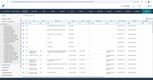
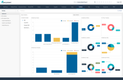
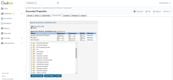
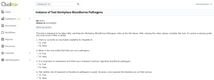
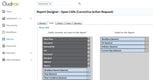
Ideagen Quality Management, formerly Qualtrax, offers non-conformance, corrective action, and root cause workflows that bring contamination investigations, complaints, and recalls into one place. When customer complaints or safety issues arise, the system logs them and assigns them to records. It then links them to workflows to help resolve the problem.
Pre-configured or customizable workflows guide your team step-by-step through the resolution process, ensuring compliance with frameworks like HACCP, FSMA, and the UK Food Safety Act. For example, if a critical control point reading falls out of range, the system can notify stakeholders, catalog inspection results, and track corrective measures to ensure traceability during recalls.
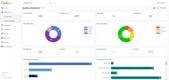
Additionally, Ideagen supports root-cause analysis by associating related records for broader oversight. For example, if multiple incidents involve a specific ingredient, the system can group and evaluate these records to highlight patterns or trends. The system also maintains full audit trails, allowing your team to attach supporting documents, results, or certificates.
Ideagen’s food and beverage platform supports standards like BRCGS and the EU General Food Law Regulation. Ideagen doesn’t publish pricing, and customization has some limits compared to more configurable systems.

View our profile on Ideagen Quality Management.
Greenlight Guru - Best Integrated Design Controls
As medical device companies grow, the biggest bottleneck is generally around scaling product development without losing traceability. The integrated design controls in Greenlight Guru keep each product’s design control records linked together, so the design file builds itself as you work.
As you build out risk elements and tests, the system generates your DHF and quietly handles version control, all in the background. User needs, design inputs & outputs, verification activities, and validation tests all live in a linked structure. You can select any requirement and trace it from concept to test results; meanwhile, all upstream and downstream dependencies are automatically updated, providing your engineering and QA teams with a current view of the product.
Greenlight Guru also integrates risk management into its system, mapping hazards and controls in line with ISO 14971. It then ties these back to any design elements they impact. This makes audit prep far more manageable, as you can generate a design and development file with a single click and keep your risk management file audit-ready at all times.
eQMS packages start at $12,000/year on annual subscriptions, with implementation quoted separately. There’s no free version or trial, and it fits small and mid-sized medical device companies best.

Get pros, cons, and pricing in our Greenlight Guru review.
Unifize EQMS - Best for Automotive
Unifize EQMS includes built-in vendor collaboration tools to help address non-conformances in components and comply with quality standards like IATF 16949. For example, when parts like alternators or fuel injectors arrive, inbound inspection runs against the requirements checklist you’ve shared with the supplier, while purchase orders stay in your ERP. This ensures critical safety components meet quality criteria before assembly ever begins, reducing costly recalls and warranty claims.
Your vendors can respond by email or through a supplier portal without needing full platform access, and their answers land on the record. This lets suppliers provide updates, clarify inspection results, or resolve issues without the back-and-forth getting lost in inboxes, which helps keep production timelines on track.
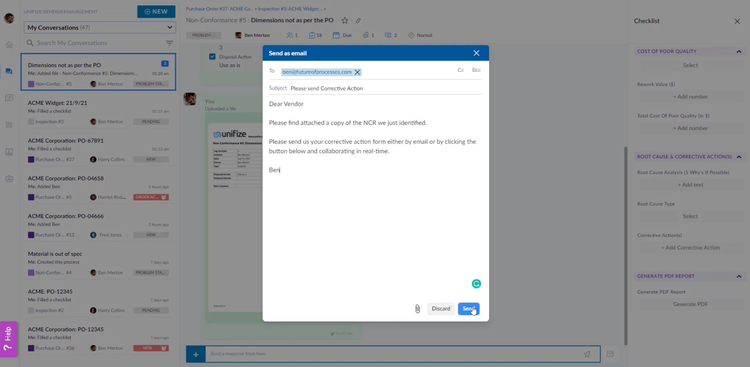
When an inspection uncovers a non-conformance, Unifize links the issue directly to supplier conversations and corrective action workflows. Any non-conformances are digitized, signed, and sent to vendors for corrective action. These records ensure traceability and record a comprehensive audit trail of supplier interactions.
Unifize prices by organization rather than per user. Plans start at $1,000/month billed annually for document management with 10 users, and QMS modules start at $1,950/month with 20 users. One-time onboarding costs are extra.


Learn more about Unifize EQMS, including pricing details and key features.
QAD EQMS - Best Supplier Quality Management Tools
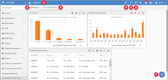
QAD EQMS provides a strong supplier quality management module that helps measure vendor performance while resolving supplier-driven issues like defects and late corrective actions. This module syncs with other QAD tools like advanced product quality planning (APQP), non-conformance and corrective action, and complaint management, forming a closed-loop system to maintain quality across your supply chain. This ensures that issues like defective shipments are analyzed, resolved, and linked to vendor processes for proactive improvements.
Suppliers can communicate with you directly via self-service portals. You can share important documents, like drawings and standards, and allow your vendors to submit deviation requests or corrective action responses. Suppliers can respond to SCARs and attach evidence directly in the portal, so both sides work from the same record.
QAD EQMS also manages chargebacks for non-conformances, so the cost of defective shipments goes back to the supplier responsible. The system tracks supplier performance, certifications, and audits in one place, and supplier KPIs feed into scorecards you can use in sourcing decisions.
Find out if QAD EQMS is right for your business.
Harrington QMS - Best for ISO Quality Compliance
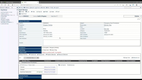
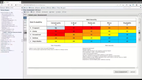
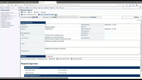
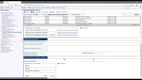
HQMS is a quality management software designed for enterprises seeking to standardize, control, and enhance their ISO-compliant frameworks. Built by Harrington Group International, the system brings together documentation, CAPA, audits, risk management, and training on a single platform.
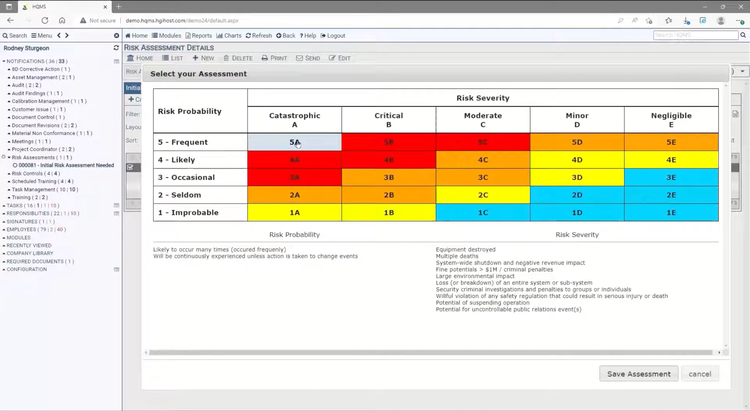
While HQMS supports many quality standards, it’s particularly strong at supporting businesses operating under ISO 9001, ISO 13485, and ISO 14001 standards. The system tracks the documentation, review, and correction of quality activities end-to-end, with escalation when tasks fall behind, including Corrective and Preventive Actions (CAPA) and supplier management. This makes it easier for organizations to demonstrate consistency and traceability during ISO reviews and audits. For training, a core piece of ISO, HQMS connects training requirements and certifications to roles and responsibilities, so you can show auditors who is qualified for what.
HQMS is best for organizations that require compliance with multiple quality standards, and maintaining a consistent traceability process is critical. We have seen successful implementations across the manufacturing, healthcare, and aerospace industries. That said, smaller teams just getting started in quality management might find itsenterprise-level, quote-based pricing more expensive than other entry-level programs.
Learn more about what industries and applications HQMS supports.
Qualio - Best Document Management Tools
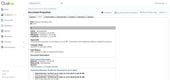
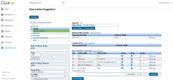
Qualio QMS provides an in-app editor for creating, managing, and editing everything from standard operating procedures (SOPs) to technical drawings. You can bulk upload existing files in their original formats, from diagrams to SOPs, then convert them into templated, controlled documents linked to the originals. During review, teams can comment inline and mention colleagues.
By storing all information in a centralized location, Qualio ensures you’re always working with the latest versions of training records, supplier documentation, and policies. The platform supports embedded e-signatures aligning with regulations like FDA 21 CFR Part 11 and EU Annex 11. Audit trails record all document activity, so you can show auditors who signed what and when.
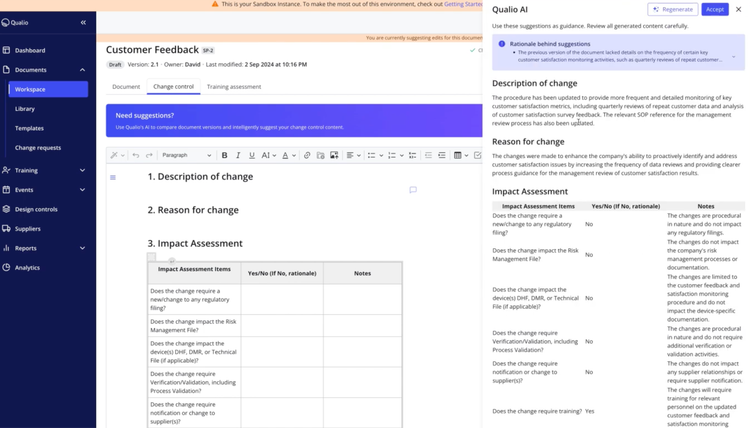
Further, Qualio includes AI-driven change summary generation. As you modify SOPs or other critical records, the AI drafts a change summary within seconds, covering what changed, why, and its impact, which you can review and accept. Automatic version history archives changes for quick retrieval during audits.
Qualio starts at $12,000 for the platform, with an additional $3,000 per user per year. The pricing model scales to accommodate growing teams. It suits industries with strict regulatory demands, including medical devices, pharmaceuticals, and biotech.





View our profile on Qualio QMS.
Uncountable - Best for R&D and Formulation
Uncountable’s laboratory quality control module links every test result directly to the formulation and raw material lot behind it. Instead of chasing context across spreadsheets, your QC leads can open any result and see the formulation revision, batch, and raw-material lots behind it. An out-of-spec reading automatically opens a deviation already linked to the batch record.
That formulation-aware backbone is what sets Uncountable apart for R&D-heavy manufacturers like chemical and coatings makers. External complaints tie back to the exact batch and raw material lot, so investigations start with context rather than questions. Quality events are scored for risk as they’re logged, so the CAPAs most likely to escalate surface first. The built-in AI assistant, Bodie, can also find past results, explain unexpected readings, and build plots from plain-language requests.

Uncountable is best for enterprise companies, so it’s not a lightweight system. It takes real configuration and training; it’s built for those with over 50 employees, where R&D and quality data need to live together. Uncountable doesn’t publish pricing; quotes require a sales consultation.


Qualityze - Best Configurable EQMS
Qualityze lets quality teams set up its modules around the procedures they already follow, instead of rewriting SOPs to match the software. In the nonconformance module, you can configure your own NC templates for product, process, and out-of-tolerance events, then set the containment steps, owners, due dates, evidence requirements, and approvals each one needs.
Qualityze says workflows, forms, and reports can be configured for ISO and FDA requirements without code, and a forms builder handles inspection checklists and other records. Reviewers describe configuring CAPA and other modules to fit site-specific workflows, which helps manufacturers whose plants don’t all run quality the same way.
That configuration carries across a suite of about 20 modules, including CAPA, document control, complaints, supplier quality, calibration, deviations, and electronic batch records. An NC can escalate to a CAPA and link back to the documents, training, and supplier records involved. Because Qualityze runs on Salesforce, the vendor says configurations stay intact through upgrades.
The flexibility has trade-offs. Users mention a steep learning curve and an initial setup that can feel overwhelming for teams coming off spreadsheets, and deeper workflows usually need an admin. Reports can also slow down on large CAPA data sets. Qualityze doesn’t publish pricing, and quotes are based on the modules, users, and services you need. Validation packages, onboarding, and training are included in every subscription.

Intellect QMS - Best for Aerospace
The AS9100 compliance tooling in Intellect QMS automates the documentation, change control, and audit trails that FAA and EASA reviewers expect. The platform tracks conformance across parts, processes, and suppliers, so you move from prototype through post-delivery with an audit-ready record at every stage.
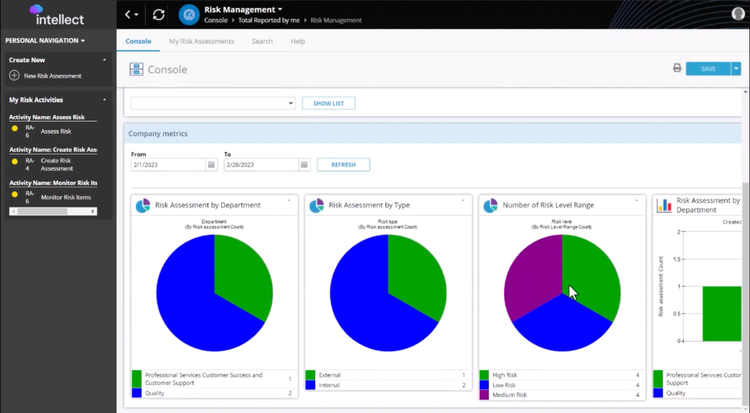
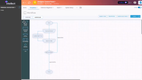
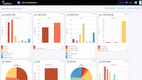
The system’s end-to-end traceability follows components and materials from raw stock to final assembly. This lets you isolate a root cause down to a specific serial, batch, or work order. First Article Inspections, process audits, and NCRs run in the same environment, while an AI-driven CAPA engine detects patterns across recurring nonconformances, links related issues, and recommends corrective actions. Further, supplier quality scoring monitors deviations and certifications in real time, which matters when a single out-of-spec alloy lot can hold up a program.
Intellect is built for mid-market and enterprise manufacturers, so it’s heavier than a small shop needs, and onboarding takes some configuration and training. Pricing starts at $19,000/year for the Pro plan, with Premier at $29,000 and Enterprise at $39,000, all billed annually. Implementation, validation, and training are extra.
It’s best matched to aerospace and defense suppliers running commercial, defense, or space programs that need airworthiness documentation ready for audit at any time; smaller teams are better served by QT9 QMS.

Learn more about Intellect QMS, including pros, cons, and features.
ComplianceQuest - Best Salesforce-Native QMS
ComplianceQuest is an AI-driven EQMS and EHS platform ideal for organizations already running Salesforce for CRM or other operations. Because it’s built on the platform, it provides a unified data model, native integrations, and shared security architecture.
As a modular system, ComplianceQuest allows you to start with core quality processes and add modules as your needs grow. For example, a medical device startup could begin with CAPA and document control, then layer on EHS and supplier quality as production evolves. Overall, it covers the full EQMS suite: audit management, change control, complaints, non-conformance, and training. For med tech teams, the complaints module prepares eMDR reports that can be submitted to FDA automatically, simplifying regulatory reporting under ISO 13485 and FDA 21 CFR Part 820.
ComplianceQuest also provides AI-driven predictive analytics that highlight patterns across quality events. That way, your team can move from reactive resolutions to proactive risk identification. Additionally, the system routes CAPAs based on severity and risk and assigns training tied to roles, documents, and changes. 21 CFR Part 11-compliant electronic signatures also help manage approval chains without third-party add-ons.
This EQMS software is best suited for mid-sized to large organizations in life sciences, manufacturing, automotive, and aerospace. You can still adopt ComplianceQuest even if you’re not on Salesforce; however, the platform’s greatest value lies in that native integration.
Other Systems We Like
Qualcy eQMS starts around $399/month for one admin user ($99/admin user plus a $299/month backup and maintenance fee), with basic users at $21 to $39/month. It’s best suited for the pharmaceutical, medical device, and biomedical sectors.
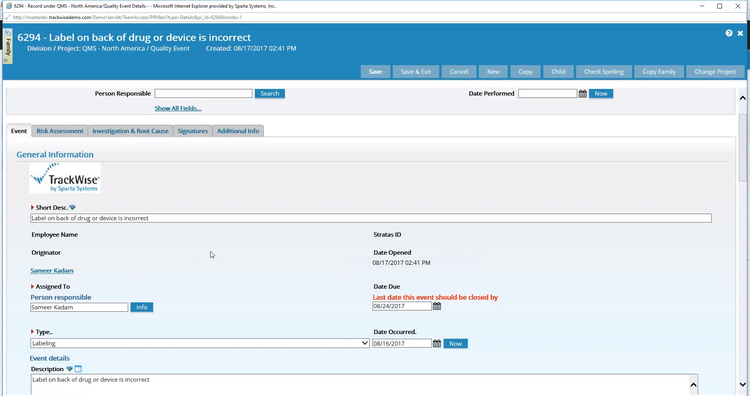
TrackWise includes strong CAPA and audit management for large manufacturers. It uses cross-functional record-keeping to link related records, like audit findings, to corrective actions for a clear audit trail.
Veeva QMS (formerly Veeva Vault QMS) fits life sciences enterprises that need their QMS tightly integrated with clinical, regulatory, and document management, all on Veeva’s Vault platform. It’s best for large pharma, biotech, and medical device organizations already using other Veeva products or evaluating them.
What is Quality Management System (QMS) Software?
Quality management software is designed to help companies manage and maintain industry-specific, customer-based, and regulatory standards for their products, services, and processes. It combines document control, CAPA, and compliance and audit management to streamline quality-related tasks.
In particular, QMS can help businesses meet the regulatory requirements of ISO and FDA, in addition to policies set by other government and sector-specific agencies.
Tying documents, CAPAs, and audits together in one system can help you standardize processes, increase customer satisfaction, and mitigate financial risks related to quality exceptions.
Read more: What is a Quality Management System (QMS)? - ISO 9001 Processes
What is EQMS?
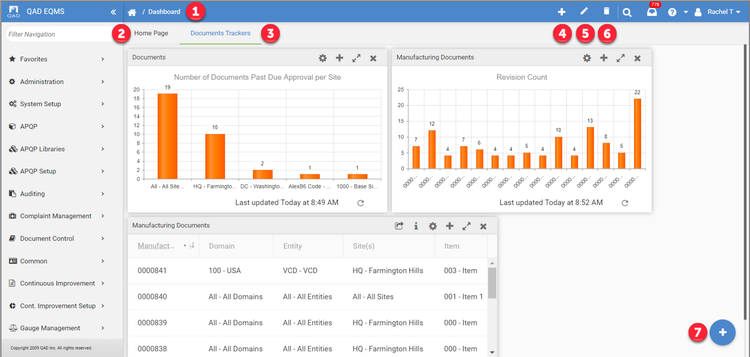
Enterprise quality management systems (EQMS) have a greater scope than generic QMS solutions. EQMS centralizes and optimizes quality management across an entire organization. This includes:
- Enterprise-wide data visibility: Delivers real-time metrics across organizational processes, including product quality performance, compliance adherence, process efficiency, risk management, and customer satisfaction.
- Scalability: Supports large organizations’ complex workflows and global operations.
- Cross-department integration: Syncs quality management efforts across locations and teams.
Many of these QMS products use the two terms interchangeably.
Read more: What is EQMS?
Industry-Specific Types
Industry-Agnostic
Designed to apply across industries rather than tailored to a single sector’s specific needs. This software provides a framework for managing quality processes, compliance, and performance within an organization, regardless of its field of operation.
Medical
QMS software for medical devices helps ensure products are designed and manufactured in compliance with regulations set by the U.S. Food and Drug Administration (FDA), the European Union’s Medical Device Regulation (MDR), and other international standards like ISO 13485.
Food and Beverage
Verifies the safety and quality of food products from production to distribution. Facilitates compliance with HACCP (Hazard Analysis and Critical Control Points), FDA regulations (including the Food Safety Modernization Act, or FSMA), and GFSI-benchmarked certification schemes like SQF and BRCGS.
Pharmaceutical
Pharmaceutical QMS software helps drug manufacturers automate quality processes, documentation, and compliance to ensure medicine is safe and effective. It adheres to pharmaceutical regulations like FDA 21 CFR Part 210/211, Part 11 (for electronic records), and Good Manufacturing Practices (GMP).
Automotive
Helps automotive manufacturers and suppliers control quality across vehicle and component production, from supplier parts to final assembly. Automotive QMS aligns with standards like IATF 16949 and supports core tools such as PPAP and APQP.
Aerospace
Used by manufacturers and suppliers of aircraft and spacecraft, including commercial airplanes, military jets, drones, and satellites, to control quality and traceability across complex parts and assemblies. Aerospace QMS ensures compliance with standards like AS9100.
| Problem | Feature | Product | Pricing |
|---|---|---|---|
| Error-prone manual production records. | Automated eDHR and FDA-compliant data storage. | MasterControl Manufacturing Excellence | Contact vendor. |
| Complex inspections for AS9100 compliance. | AS9100 tool with inspection integration. | Intellect QMS | Starts at $19,000/year. |
| Ensuring batch quality and compliance. | MBR/EBR with integrated QC data. | QT9 QMS | About $2,200 per concurrent user/year (2025 quotes). |
| High defect rates in heavy manufacturing. | Closed-loop quality process and SCAR workflows. | Octave Reliance | Contact vendor. |
| Managing non-conformance in food production. | Non-conformance workflows for HACCP compliance. | Ideagen Quality Management | Contact vendor. |
| Vendor issues affecting automotive quality. | Vendor tools with corrective action workflows. | Unifize EQMS | Starts at $1,000/month (billed annually). |
| Measuring and improving supplier performance. | Supplier quality module with SCARs and chargebacks. | QAD EQMS | Contact vendor. |
| Managing critical documents in regulated settings. | In-app document editor with version tracking. | Qualio QMS | $12,000 platform fee + $3,000/user/year. |
| Combining R&D and quality data. | Laboratory quality control module with a formulation-aware backbone. | Uncountable | Contact vendor. |
| Maintaining traceability in medical device design. | Integrated design controls with DHF generation. | Greenlight Guru | Starts at $12,000/year. |
| Processes that don’t fit standard templates. | No-code workflow builder with a Visual Navigator. | Singlepoint | From about $2,030/user/year. |
| Meeting multiple ISO standards at once. | Unified documentation, CAPA, audits, and training. | HQMS | Contact vendor. |
| Keeping quality data in Salesforce. | Salesforce-native EQMS with AI-driven analytics. | ComplianceQuest | Contact vendor. |
| Adapting an EQMS to site-specific workflows. | Configurable templates across about 20 modules. | Qualityze | Contact vendor. |
Quality Standards Examples
ISO standards include:
| ISO Standard | Meaning |
|---|---|
| ISO 9001 | Sets out the criteria for a quality management system and is the only standard in the family that can be certified (although this is not a requirement). It can be used by any organization, large or small, regardless of its field of activity |
| ISO 13485 | Similar to ISO 9001 but for medical devices. Requires companies to validate the software used in their QMS before first use, scaled to risk, and keep records of that validation. Electronic signature requirements come from FDA 21 CFR Part 11, not ISO 13485 |
| ISO 50001 | Energy management standard for addressing the energy consumption and use of an organization |
| ISO/IEC 27001 | Information security, similar to ISO 9001 but with a change in focus to data security and integrity vs product quality |
| ISO 45001 | Health and safety, similar to ISO 9001 but with a change in focus to employee safety vs. product quality |
| ISO 14001 | Environmental management, similar to ISO 9001 but with a focus on reducing environmental impact, managing waste, and meeting regulations |
| ISO/IEC 17025 | Competence of testing and calibration laboratories. Labs are accredited to it rather than certified |
FDA regulations include:
| FDA | Meaning |
|---|---|
| FDA 21 CFR Part 11 | Electronic records and electronic signatures |
| FDA 21 CFR Part 211 | Current good manufacturing practice (CGMP) for finished pharmaceuticals |
| FDA 21 CFR Part 820 (now the FDA QMSR, effective February 2, 2026) | Medical device manufacturing and distribution. The QMSR incorporates ISO 13485 by reference |
Other common examples of quality standards include:
- API Q1/Q2: Standards specific to the oil and gas industry that are similar in nature to ISO 9001. API Q1 covers manufacturing and API Q2 covers service supply, and both include explicit contingency planning requirements
- ASME: Certification under the ASME Boiler and Pressure Vessel Code requires a documented quality control system covering design, materials, welding, examination, and testing. It includes procedures for correcting nonconformances, but it’s scoped to Code compliance rather than broader management system requirements like ISO 9001
- API Monogram: A voluntary API licensing program for oilfield equipment manufacturers, similar to the ASME stamp. Licensees can mark equipment that conforms to API product specifications and is made under a QMS that meets API Spec Q1
- FAR Part 46: Federal Acquisition Regulation requirements for quality assurance, specifying contractor responsibilities for compliance, inspections, and corrective actions
- IATF 16949: Automotive quality management standard similar to ISO 9001 with additional requirements
- AS9100: Aerospace quality management standard similar to ISO 9001 with additional requirements
- HACCP: Food safety system for identifying and controlling biological, chemical, and physical hazards at critical points in production
- SQF: Safe Quality Food, a GFSI-benchmarked food safety and quality certification program
Non-ISO Standards
- Statistical Process Control (SPC): Identify product quality issues and process variations to take corrective action before extensive issues occur and improve process performance. May pair well with a QMS but is better used to report on the output of the production process.
- Production Part Approval Process (PPAP): An automotive industry process, maintained by AIAG, that shows a supplier’s production process can consistently produce parts meeting design requirements. Usually paired with APQP and IATF 16949.
Common Challenges
Implementing QMS software can help solve several different challenges that companies across every industry experience, including:
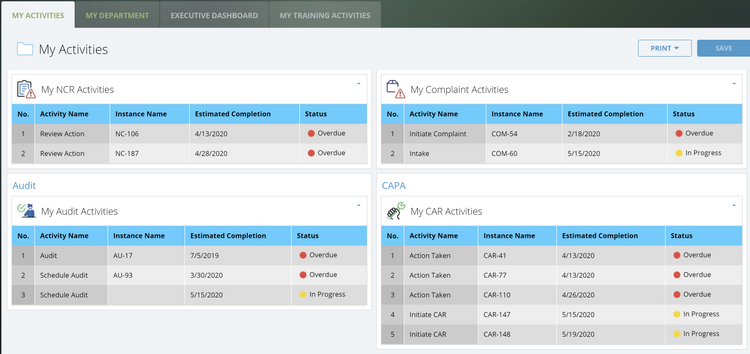
- Compliance Issues: Maintaining compliance with manual inspections, history tracking, and audits leaves you prone to human error and lack of accountability. A QMS can help you stay consistent with your industry’s regulatory standards and reduce the risk of violations.
- Lack of Standardization: Many businesses struggle to standardize processes company-wide. QMS software lets you create clear operating procedures to ensure consistency and quality.
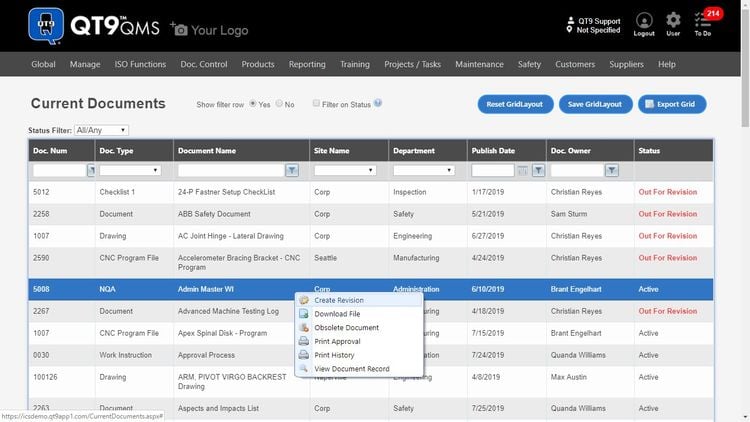
- Inefficient Document Management: Often, companies lack a central location to manage their documents, leading to lost files or scattered filing systems. QMS software typically includes a document management module to create, approve, distribute, and archive essential quality control files.
Key Features & Benefits
QMS system software offers a wide variety of functionality. Modules often include the following core functions:
| Feature | Description | Benefit |
|---|---|---|
| Quality Control | Set objectives for quality processes related to cycle times, scrap/waste percentages, defect rates, measurement deviations, and durability metrics. | Improves product quality and reduces waste. |
| Risk Management and Analysis | Create what-if scenarios to analyze potential costs related to quality exceptions. Predict failure and service rates and their financial implications. | Allows manufacturers to identify root causes of quality issues and mitigate risks effectively. |
| Corrective Action/Preventive Action (CAPA) | Includes task assignments, reporting, and monitoring to ensure quality deviations are addressed promptly. | Promotes proactive issue resolution and maintains quality standards. |
| Parts Non-conformance | Define measurement standards for parts, track a database of standardized metrics, and integrate monitoring controls with operational equipment. | Helps parts meet quality specifications and reduces non-conformance rates. |
| Customer Complaint Management | Assist service personnel in quickly resolving customer issues. | Enhances customer satisfaction and loyalty. |
| Audits and Inspections | Define, schedule, and execute regular audits and inspections to improve business processes continuously. | Supports regulatory compliance and identifies areas for improvement. |
| Document Management | Coordinate data management, facilitate collaboration, and ensure easy access to important quality documentation. | Simplifies compliance and improves team collaboration. |
| Training Management | Ensure employees are trained and certified in key areas to meet compliance standards. | Ensures workforce readiness and supports regulatory compliance. |
| Reporting and Business Intelligence | Reference KPIs and dashboards to turn quality management data into actionable insights. | Provides data-driven decision-making capabilities. |
| Regulatory Compliance | Simplify monitoring and reporting to meet industry-specific regulatory standards such as FDA, ISO 9001, or HACCP. | Reduces the complexity of compliance and helps lower the risk of penalties or legal action. |
Pricing
QMS pricing can range from $5,000 to over $150,000 per year, though it varies based on features, intended use case, and deployment model:
| Tier | Company Size | Total Cost of Ownership (TCO) | Example Software |
|---|---|---|---|
| Low-Tier | 1–25 employees | $5,000–$15,000 per year | QT9 QMS |
| Mid-Tier | 25–150 employees | $20,000–$50,000 per year | Qualio, Greenlight Guru, Intellect QMS |
| High-Tier | 150–500 employees | $50,000–$150,000 per year | MasterControl, Octave Reliance |
| Enterprise | 500+ employees | $150,000+ per year | Pilgrim SmartSolve, Veeva QMS |
Overall, exact pricing depends on several factors, including:
- Total user count
- Additional integrations
- Required functionality
- Deployment model (cloud vs. on-premise)
- Implementation, validation, and training services
Generally, on-premise software has a one-time perpetual licensing fee, while a cloud platform includes a monthly or annual subscription. The one-time fee and setup often result in a higher cost of entry, while SaaS can be more expensive over time.
Integrating QMS & ERP
QMS incorporates information from across the enterprise, often found within larger ERP software. Because QMS software tends to work best when it draws on data from across the business, companies may need to manage integrations with other information systems, such as:
- Supply chain management software manages the provisioning of goods from suppliers to the customer. Relaying information regarding quality issues stemming from certain suppliers is an essential piece of the quality management puzzle.
- Customer relationship management software programs provide a coordinated approach to capturing customer-specific information. Order histories and other customer interactions are logged into CRM programs. The ability to flow quality issue information from CRM software to QMS programs is essential. That way, quality issues raised after a sale feed into both service work and process improvement.
- Material requirements planning software manages the components needed for production and the processes that go into the manufacturing operations. Importing quality-related information from the QMS to the MRP system will help create more accurate manufacturing plans and forecasts.
Trends & Future Outlook
The global quality management software market was valued at $12.3 billion in 2025 and is projected to reach $28.8 billion by 2033, growing about 11.5% a year, according to Grand View Research. Several trends are shaping that growth:
AI Technology and Automated Quality Control
AI-powered quality management systems are shifting from reactive to predictive control. They use machine learning to catch deviations in real time. Around 40% of top-tier QMS tools now include AI-powered analytics, according to Market Growth Reports.
Cloud/SaaS vs. On-Premises Deployments
Cloud-based QMS accounts for nearly 55% of deployments, according to Market Growth Reports, though Grand View Research found on-premises still held the largest share of revenue in 2025. Hosted cloud solutions provide multi-site access and scalability, while some organizations with strict data residency or security requirements still choose on-premises deployments.
IoT Integration
The Internet of Things provides continuous monitoring of vital parameters. It auto-triggers non-conformance workflows when measurements exceed tolerances. This connectivity supports automated quality control where sensors record live data from production equipment.
Digitalized Compliance
Compliance management tools include audit-tested QMS templates pre-configured for ISO 9001, industry-specific standards, and FDA regulations. These templates integrate with workflow management systems featuring role-based task lists that can auto-assign quality activities to personnel based on their certifications.
Further Reading
Frequently Asked Questions
How do I choose QMS software?
Start with the standards you’re audited against. A medical device maker working to ISO 13485 and 21 CFR Part 11 needs validated e-signatures and audit trails, while a job shop certified to ISO 9001 mostly needs document control, CAPA, and audit scheduling. If your standard matches one of the industry-specific picks above, such as QT9 for pharmaceuticals or Unifize for IATF 16949, you’ll spend less time on setup.
Next, decide how closely the software has to fit your current processes. Configurable suites and no-code tools adapt to existing workflows, while more rigid systems launch faster but may force SOP changes. Ask each vendor to demo the system using one of your real nonconformances, and request a validation package if you’re FDA-regulated, a list of ERP integrations, and a full quote that includes implementation and training.
How do I migrate to a new QMS?
Migrations tend to go smoother in phases. Many vendors recommend starting with document control and training, then adding CAPA, nonconformance, change control, and audits once users are comfortable.
Limit what you move. Migrating only current, effective documents and archiving obsolete versions with their revision history shortens the project. Keep the old system or a full export accessible until you’ve confirmed approval records and audit trails carried over. If you’re FDA-regulated, the new system needs validation before go-live, so ask vendors whether they supply a validation package and whether they charge to export your data if you leave later.
How long does QMS implementation take?
It depends on how many modules you launch, how much data you migrate, and whether you need formal validation. Vendors selling to smaller life sciences teams quote short timelines: SimplerQMS says 5 to 8 weeks, and ZenQMS says 3 months or less, including validation. Multi-site rollouts with ERP integration and heavy configuration tend to take longer.
Two things usually stretch the schedule: migrating every legacy document instead of only current ones, and customizing beyond standard configuration. Be cautious if one vendor quotes a much shorter timeline than others for the same scope.
How much does QMS software cost?
Total cost of ownership typically runs from about $5,000 to over $150,000 per year, depending on company size and modules. Among the picks above, Greenlight Guru starts at $12,000/year, Intellect QMS at $19,000/year, and Unifize at $1,000/month billed annually. Quotes we reviewed in early 2025 put QT9 around $2,200 per concurrent user per year.
Several vendors, including ComplianceQuest and Ideagen, don’t publish pricing. Budget beyond the license for implementation, training, and validation. Intellect, QT9, and Greenlight Guru all charge separately for at least some of these services.
Do you need QMS software for ISO 9001 certification?
No. ISO 9001 doesn’t require software, and paper or shared-drive systems can pass an audit. What clause 7.5 requires is control of documented information: documents reviewed and approved before release, revision status tracked, current versions available where they’re used, obsolete versions clearly marked, external documents identified, and records protected from loss or improper changes. These controls carry over to the new ISO 9001:2026 edition, which made only editorial changes to clause 7.5.
Software makes those controls easier to prove. A QMS keeps one current version of each document, logs approvals, and links nonconformances to corrective actions, which is what auditors ask to see. As document counts and sites grow, manual control gets harder to keep consistent.