

The Best ERP Software for Aerospace Manufacturing
Aerospace manufacturing software balances compliance, precision, and operational efficiency. We’ve reviewed and ranked the top solutions for OEMs, tiered suppliers, and specialized manufacturers, evaluating their strengths in quality control and production planning.

- Multi-site and multi-company support
- Built-in business intelligence
- Comprehensive supply chain management
- HANA database
- Large network of resellers
- Strong BI tools
- Built-in payroll capabilities
- Controls inventory of raw materials, finished goods, and assemblies
- Fully configurable dashboard
The best aerospace software needs to have a mix of features like compliance management and engineer change control to be effective. Our selection meets sector-specific demands for large OEMs and tier suppliers.
- Infor CloudSuite Industrial: Best for Large OEMs
- SAP Cloud ERP: Best for Tier 1 Suppliers
- ECI M1: Best Production Planning Module
- Acumatica: Best for Tier 2 Suppliers
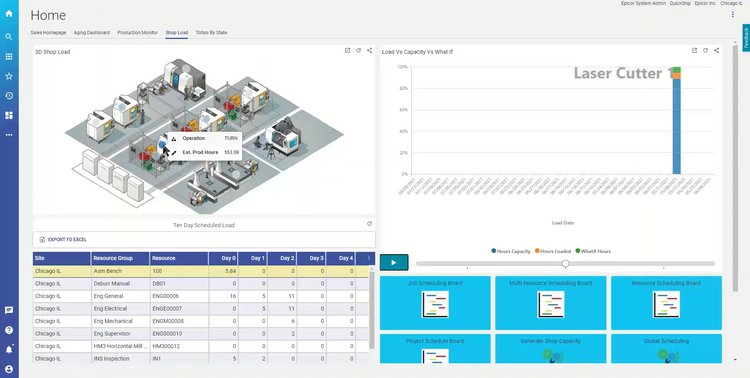
- Epicor Kinetic: Best for Tier 3 Suppliers
- ProShop ERP: Best for Aerospace Job Shops
- IFS Cloud: Best for Manufacturers That Also Service
- Deltek Costpoint: Best for Defense Contractors
Infor CloudSuite Industrial - Best for Large OEMs
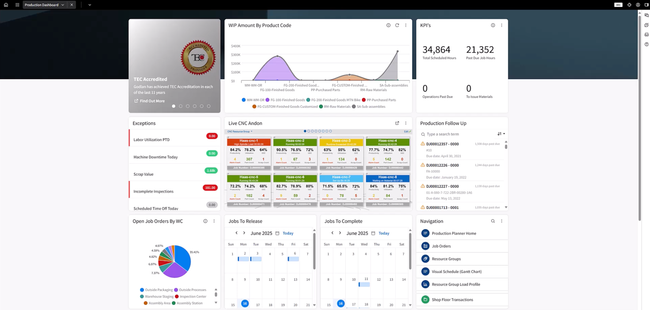
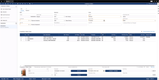
Infor CloudSuite Industrial handles complex agreements like time-and-materials, firm-fixed-price, and cost-plus contracts. Its contract management module helps streamline execution and manage financials with built-in cost tracking and invoicing tools.
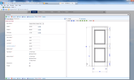
This aircraft manufacturing software supports multiple contract structures for large-scale production projects. It accomplishes this through flexible billing schedules, milestone tracking, and detailed work breakdown structures (WBS). OEMs can link contract line items to specific deliverables, providing insights into project expenses and progress at every stage.
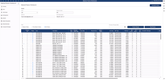
Cost tracking is built into the system at the contract line item number (CLIN) level for more precise reporting. It also helps you better align with customer or government requirements. Features like borrowed load payback and co-mingled costing ensure compliance with DCAA and other accounting standards, even with costs distributed across different contracts.
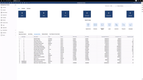
Additionally, Infor CloudSuite supports contract flow-down, making it easier for OEMs to enforce compliance and quality standards across their supply chain. The system automatically pushes AS9100, ITAR, and DFARS standards to suppliers and subcontractors. This helps you meet material certifications and inspection criteria without extra manual work. Plus, linked workflows help maintain seamless integration, reducing the risk of delays or compliance issues down the road.
Read our full review of Infor CloudSuite Industrial.
SAP Cloud ERP - Best for Tier 1 Suppliers
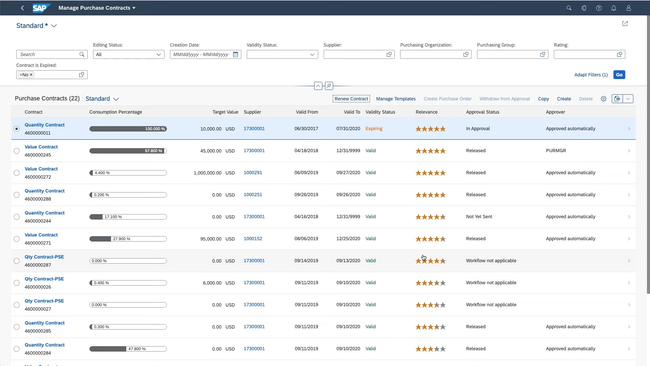
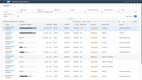
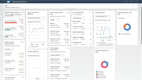
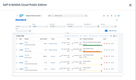
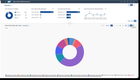
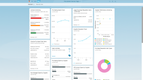
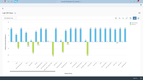
SAP Cloud ERP (formerly SAP S/4HANA)’s multi-level bill of materials (BOM) tool keeps complex assemblies flexible and organized. With aircraft manufacturing involving thousands of interconnected components across multiple levels, logging any changes to the BOM is vital—especially for suppliers producing jet engine components like turbines, casings, and compressors.
The system simplifies BOM management by tracking versions, automating change approvals, and ensuring full traceability. If an OEM updates a design or swaps out a material, your engineers can apply and review changes without halting operations. Version control keeps configurations in check across different product lines, helping you meet regulatory standards and maintain consistency.
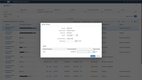
For faster decision-making, SAP Cloud ERP also includes a BOM comparison feature that highlights differences between versions, so your team can quickly pinpoint shared or unique components. Impact analysis models take it a step further, predicting how a BOM change—like a material substitution—will affect production schedules, resource availability, and costs. Together, these capabilities help tier 1 suppliers adapt to shifting OEM demands while minimizing errors and delays.
Learn more about SAP Cloud ERP, including ratings and key features.
ECI M1 - Best Production Planning Module
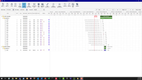
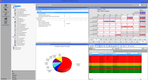
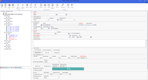
ECI M1’s production planning module handles high-complexity workflows for increased precision and improved resource allocation, which are critical. It starts with the manufacturing requirements planner (MRP), which automates job scheduling based on factors like demand forecasts and material availability. You can filter jobs by facility location, production deadlines, and specific aircraft component requirements so that the system generates relevant work orders only.
When working with high-value resources like titanium, specialty alloys, and composites, M1’s MRP calculations prevent waste and stockouts by factoring in lead times and production schedules. Define parameters like the end-of-month cutoff date, and M1 retrieves demand data and calculates resource requirements, helping you optimize your supply chain.
Once you establish demand and material needs, M1 automates job creation and management. The system analyzes current material levels and open orders to generate a job summary. This accounts for complex assemblies, multi-tier BOMs, and FAA or AS9100 compliance requirements. Manufacturers can review and approve these jobs before bulk creation, making sure everything stays on track with capacity plans and compliance needs.
M1 also delivers live tracking and adjustments for open MRP sessions. For missing data or incomplete sessions, the system flags issues before they disrupt operations. Built-in barcode scanning and digital shop floor tracking make it easier to monitor labor hours, material usage, and machine costs. This makes operations like precision machining and avionics assembly more accurate, helping you meet on-time delivery goals while maintaining strict quality standards.
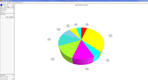
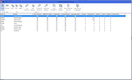
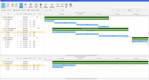

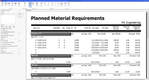
See our ECI M1 review for more details.
Acumatica - Best for Tier 2 Suppliers
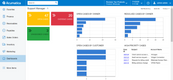
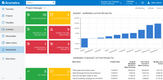
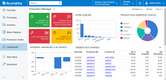
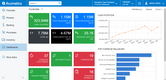
The engineering change control feature in Acumatica makes it easier for aerospace suppliers to track, manage, and approve engineering changes without slowing down operations. For example, if a supplier receives multiple design adjustments for a turbine component—one for material substitution and another for a structural tweak—Acumatica lets them combine those changes into a single engineering change order (ECO). This prevents fragmented updates, cuts down on repetitive approvals, and ensures the entire team is working with the latest version.
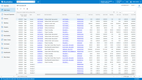
Acumatica also streamlines working with multi-level bills of materials (BOMs). Its tree view makes it easy to see how different components fit together, while built-in cost breakdowns show how each change affects pricing at every level. This level of visibility helps tier 2 suppliers keep margins in check while ensuring every part complies with aerospace standards.
Plus, this aerospace software offers BOM comparison capabilities, so your engineers can compare historical records or new ECRs side-by-side. Acumatica includes clear visual indicators for any modifications, with green for no changes, red for additions, and yellow for modifications. In this way, the software makes change management faster and more precise, allowing you to consolidate, review, and approve changes in a fraction of the time.



See our Acumatica review for more details.
Epicor Kinetic - Best for Tier 3 Suppliers
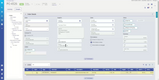
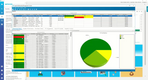
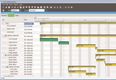
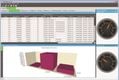
Epicor Kinetic’s quality management capabilities help tier 3 aerospace suppliers stay on top of non-conformance tracking, inspections, and discrepant material reviews (DMR). These features help you catch deviations before they reach tier 1 or tier 2 manufacturers, reducing rework, scrap, and financial penalties for non-compliance.
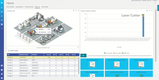
With non-conformance tracking, you can log defective materials and trace them across job production, inventory, or purchase receipts. If a batch of aluminum fasteners arrives with improper dimensions, for example, this ERP flags the issue instantly. This prevents defective parts from ever reaching assembly. Users can also input failure reasons, assign serial or lot numbers, and route flagged materials for inspection.
During inspections, flagged items either pass or fail. Passed items return to stock or production. The system routes failed items for corrective action, such as rework, scrap, or supplier rejection. For example, if an incoming shipment of titanium rods is out of spec, Epicor Kinetic logs the rejection. It also documents communication with the supplier and tracks whether a replacement shipment was received.
By automating these quality processes, Epicor Kinetic helps tier 3 suppliers minimize defects and maintain compliance—all while keeping operations running smoothly.


Read our full review of Epicor Kinetic.
ProShop ERP - Best for Aerospace Job Shops
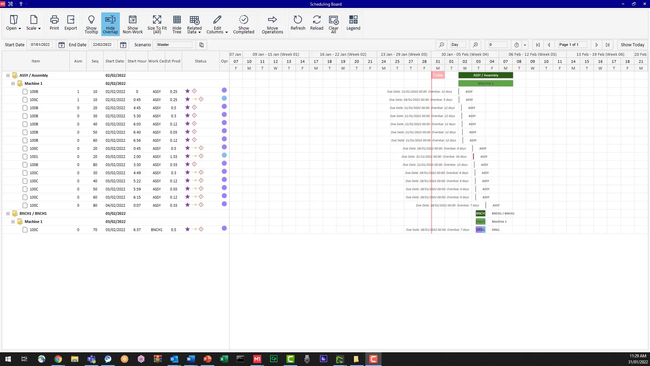
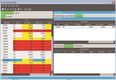
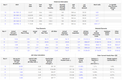
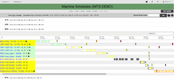
ProShop ERP offers a real-time visual scheduling board to give shops full visibility into each job. The drag-and-drop scheduler includes color-coded indicators for key variables like delivery status and purchasing requirements. This makes it easy to identify potential production bottlenecks before they occur. It’s great for aerospace contractors, as you can always view your current capacity to see if you can take on more jobs or not.
The module also has dynamic work cells that help make production more efficient. You can assign machines or team members as a work cell and embed them with custom schedules to keep it organized. Link records with details like the customer, status, part number, and PO so everything is available in one place. This eliminates the need to jump back and forth between different tabs to find the info you need.
Your team can see visual work instructions, which is super helpful for custom and complex aerospace parts. Insert instructions, photos, and CAM simulations to ensure accuracy and compliance the first time. You can even store BOMs and quality specs in a searchable hub to access critical information fast.
ProShop ERP is best for specialized shops and contractors that are typically smaller than tier 3 suppliers, but still produce complex aerospace components and assemblies. Pricing is based on your user count and requires a custom quote.
IFS Cloud - Best for Manufacturers That Also Service
IFS Cloud combines ERP, enterprise asset management (EAM), and field service management (FSM) on one platform. This helps aerospace and defense manufacturers that not only produce products, but also maintain or service what they build without having to switch platforms.
Where most ERP systems stop at the shipment, IFS follows the part into its service life. The field service and MRO modules handle parts and reverse logistics, maintenance planning, and technician scheduling from the same database. It’s also the same database that runs production, so you can track a component you manufacture through installation and service.
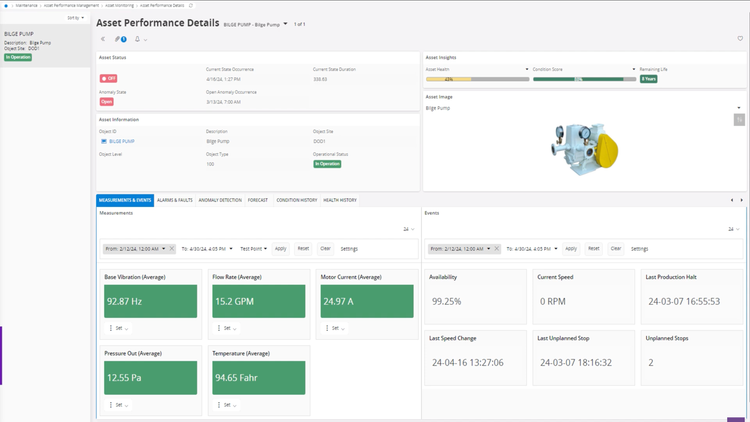
If you’re moving toward service contracts, IFS also supports outcome-based service agreements and the maintenance planning behind them. Compliance checkpoints for FAA, ITAR, and AS9100 are built into inspection and quality steps, with automatic audit trails and digital sign-offs. This helps you stay compliant across your entire company, not just the shop floor.
IFS Cloud is an enterprise system, so it’s heavier and more costly than you’ll need if you just do manufacturing. Pricing requires a custom quote, depending on the size of your company and what modules you need. If you just need a system for MRO, Ramco Aviation is a more accessible option.



Deltek Costpoint - Best for Defense Contractors
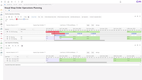
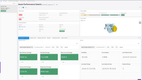
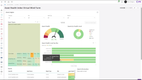
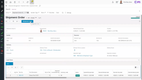
Deltek Costpoint is an ERP built specifically for government contractors. With over 40 years of experience in DCAA accounting and federal compliance, Costpoint can be a great option for both small defense contractors getting their first audit and large primes managing multiple contracts a year.
While Deltek supports all types of government contracting, its project manufacturing modules are built specifically for aerospace and defense manufacturers. This add-on provides work order management, materials and inventory tracking, shop-floor time tracking, and supply chain management. Production data is then tightly integrated with Costpoint’s DCAA-compliant accounting modules, automatically allocating direct and indirect costs to the correct contract rather than reconciling manually at the end. Also, for larger defense primes required to report on program performance for multi-year programs, Costpoint supports earned value management (EVM), which tracks ongoing cost and schedule variances against the original contract.
That said, if government contracts are only a small slice of your revenue or most of your work is commercial aerospace manufacturing, Costpoint may be more than you need, and a more manufacturing-focused ERP like Infor will likely serve you better. Pricing requires a custom quote for most implementations, though Deltek offers an Essentials package starting at $800/month for small contractors with up to 10 users.
What is Aerospace Manufacturing & ERP Software?
Aerospace manufacturing software helps aircraft and parts manufacturers manage the complex processes inherent to the aerospace industry. This sector needs everything from supply chain management and production planning to compliance management and quality control. The evolving software landscape is fueling competition in the aerospace market by giving manufacturers greater control and visibility over their processes.
Software needs can vary based on the type of market you’re in. These markets include military and defense, commercial air transport, general aviation for civilians, and space technology. These markets have different manufacturing regulations to follow. The right aerospace manufacturing software will help ensure your processes and finished products are in line with the regulations for your market.
Many manufacturers opt for aerospace ERP software to handle manufacturing processes alongside other business processes like human resources or customer relationship management. CRM functionality is most important for manufacturers of restricted or classified products, as they need to send product information like shipment notifications and change requests directly to customers. ERP systems can also integrate with warehouse management.
Key Features
| Feature | Description |
|---|---|
| Supply Chain Management | Track the flow of goods from raw material acquisition to final product delivery. |
| Quality Management | Keep track of defects in supplied materials or finished products. Manage corrective actions to ensure the manufactured parts are up to code. |
| Manufacturing Project Management | Create task lists, manage employees’ schedules and material deliveries, and set deadlines. |
| Inventory Management | Track quantities and prices of raw materials, assemblies, and finished parts that are currently on hand. Purchase orders can be automated when supplies are running out. |
| Production Planning | Set schedules of the labor and resources needed for each job. |
| Compliance Management | Ensures manufacturers in the aerospace industry meet federal and international regulations, including ITAR and AS9100 |
| Document Control | Securely store and maintain important documents for aerospace manufacturing jobs. |
Advanced Features
| Feature | Description |
|---|---|
| Business Intelligence (BI) Tools | Provides detailed reports on financial and non-financial data, including profitability, parts used for each manufacturing job, scrap materials, employee productivity, and more. |
| MRP | Includes shop floor control, demand forecasting, equipment maintenance scheduling, and purchase planning. |
| EDI | Automate secure data transfer between your business and vendors, including invoices, shipping status, and customs information. |
| Manufacturing Execution System (MES) | Tracks and controls production processes in real time, from work order management and labor tracking to quality control and traceability across the shop floor. |
Benefits of Aerospace Manufacturing Software
Software offers many benefits for the aerospace manufacturing industry, including:
Improved Lead Times and Reduced Costs with Production Planning
Production planning for airframe and aerospace part manufacturing helps bridge personnel scheduling and material ordering while remaining flexible enough to respond to changing plans. Having the right amount of resources on hand allows manufacturers to improve lead times and cut costs overall.
Production planning also allows you to have better control over engineering change orders. Unexpected changes need to be scheduled and planned for to avoid manufacturing delays.
Maintain Regulatory Compliance
Maintaining regulatory compliance is of prime concern to aerospace manufacturers, who operate in one of the most tightly regulated industries in the world. Some of the regulatory compliances that software assists with include:
ITAR: International Traffic in Arms Regulations (ITAR) governs the export of US military technology to foreign nations. Enterprise resource planning (ERP) software is an important part of maintaining an export compliance program.
AS9100: The AS9100 standard expands upon ISO 9001 requirements for the FAA and other federal agencies. A well-implemented quality management system (QMS) is vital to maintaining compliance for commercial and government contracts.
CMMC: The Cybersecurity Maturity Model Certification (CMMC) is a DoD framework requiring defense contractors to meet cybersecurity standards for protecting sensitive government data, such as Federal Contract Information (FCI) and Controlled Unclassified Information (CUI). How you manage sensitive data across your organization and tech stack is critical for certification.
Markets for Aerospace Manufacturers
Each sector of the aerospace industry has its own unique challenges. Aerospace manufacturing software is available for these markets:
Commercial Air Transport
Commercial aerospace manufacturers deliver products for:
- Wide-body and narrow-body jet airliners
- Regional or short-haul airliners
- Commuter aircraft
Manufacturers of commercial airliners, parts, tooling, and support equipment feed a hyper-competitive market. They need robust software systems to reduce waste and eliminate risk throughout their processes.
General Aviation
Aerospace manufacturers for non-scheduled civil aviation focus on:
- Single-engine propeller aircraft
- Multi-engine propeller aircraft
- Very light jets
- Ultralight and unpowered aircraft
Software for general aviation manufacturing helps manufacturers and distributors streamline customer interactions, as each customer has a higher volume and lower value. A software solution designed for commercial air transport suppliers won’t address the unique challenges of the general aviation market.
Military/Defense Contractors
The aerospace defense industry builds airframes, systems, and parts for:
- Fixed-wing and rotary aircraft
- Rockets and military spacecraft
- Missile systems
Defense manufacturing contractors deal with very stringent regulations governing the quality, supply chain security, labor and contract compliance. Poorly selected, built, or maintained software can threaten lucrative defense contracts and your relationship with governmental agencies.
Space Technology Manufacturing Software
Software for space technology manufacturing industries, including:
- Private
- Government
- Military
Commercial spaceflight is a growing industry that is set to expand rapidly into space tourism and transport over the next few decades. Businesses trying to create these markets have to meet high standards in terms of agility and process controls that are practically unparalleled.
Software for Aerospace Replacement Part Manufacturers
Aerospace manufacturing companies can gain an edge in the replacement part industry with the right software.
Original Equipment Manufacturer (OEM) Parts
OEMs need robust software to manage the supply of replacement parts for their customers. When aircraft operators are considering changes to their fleet, the reliability of the replacement parts supply chain is a serious concern. On-time production and delivery are vital to maintaining brand loyalty in an incredibly competitive market.
Parts Manufacturer Approval (PMA) Parts
PMA part manufacturers produce replacement and modification parts under the FAA. A fully-integrated software solution will track the relationships between the original components and the PMA parts. It should also help PMA manufacturers account for market trends, seasonality, and product life cycles to accurately predict demand.
Pricing Guide
Aerospace manufacturing software can vary significantly based on production complexity, compliance requirements, and company size. To make the pricing comparison simple, we broke it down into three tiers:
Small Business ($10,000-$30,000/year):
- Entry-level options suited for small job shops and tier 3 suppliers with straightforward production needs. Expect fewer compliance and traceability features out of the box.
Mid-Market ($40,000-$125,000/year):
- The most common tier for aerospace manufacturers, covering well-known ERP platforms built for mid-sized organizations. These systems generally include production planning, quality management, and compliance tools sufficient for AS9100 and ITAR requirements.
Enterprise ($150,000+/year):
- Large OEM and tier 1 implementations with multi-site support, advanced contract management, and deep supply chain visibility. Pricing scales significantly with user count, locations, and the number of required modules.
Expert Note: Budget roughly twice your annual license cost for implementation, training, and data migration, regardless of company size.