Best Facility Management Software
We evaluated leading facility management systems on how well they handle service requests, maintenance, energy management, and day-to-day building operations. Whether you manage a school, a hospital, a manufacturing plant, or dozens of locations, we can help you find the best fit.

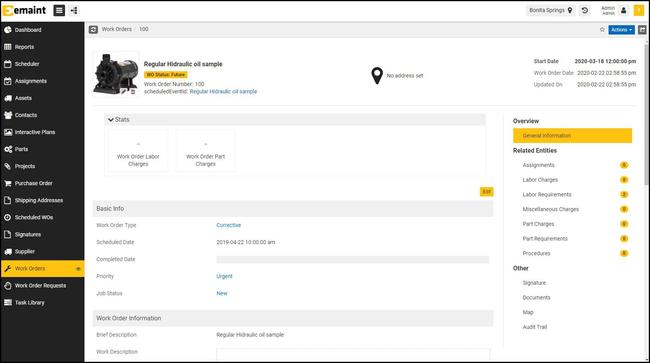
- Interactive facilities mapping
- Supports multi-site facilities
- Strong maintenance and service scheduler
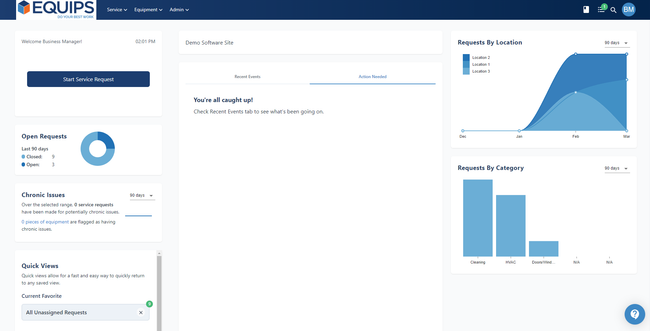
- Easy-to-request portal
- Central command center for tracking requests and work orders
- Built-in vendor marketplace
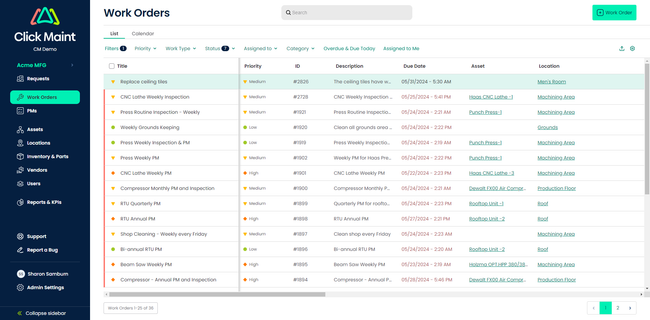
- Easy-to-use interface
- Location-based maintenance
- Detailed PM scheduling
Facility managers need software that keeps requests, maintenance, and building data organized across every site they oversee. In this guide, we’ve ranked the top facility management systems by how well they support those needs in different environments, from schools and healthcare facilities to manufacturing plants and organizations with multiple locations.
| Product | Best For | Starting Price |
|---|---|---|
| eMaint CMMS | Manufacturing facilities | $69/user/mo (3-user min) |
| Equips | Facility service requests | $50/user/mo + onboarding |
| Click Maint | Preventive maintenance | $35/user/mo billed annually |
| OperationsHero | Schools | Quote, scales with enrollment |
| Brightly TheWorxHub | Healthcare facilities | Quote |
| FMX | Facility reservations | Quote; starts at $3,000/year |
| OpenBlue Workplace | Space management | Quote |
| MaintainX | Mobile-first teams | Free plan; $65/user/mo (annual) |
| ServiceChannel | Multi-location facilities | Quote, priced per location |
| Planon | Energy management | Quote |
- eMaint CMMS: Best for Manufacturing Facilities
- Equips: Best for Facility Service Requests
- Click Maint: Best for Preventive Maintenance
- OperationsHero: Best for Schools and Campuses
- Brightly TheWorxHub: Best for Healthcare Facilities
- FMX: Best for Facility Reservations
- OpenBlue Workplace: Best for Space Management
- MaintainX: Best Mobile App
- ServiceChannel: Best for Multi-Location Facilities
- Planon: Best for Energy Management
eMaint CMMS - Best for Manufacturing Facilities
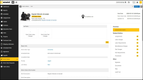
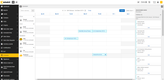
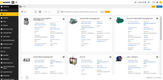
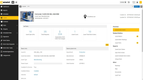
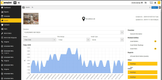
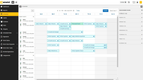
eMaint CMMS is a great option for mid to large-sized manufacturers because of its interactive facilities mapping tool. You can upload full floor plans or images of each room within your facility. This way, you don’t have to search through thousands of assets to find the exact one you need. Just go to the location in the system to see the current status or create a new work order to reduce downtime and schedule preventive maintenance.
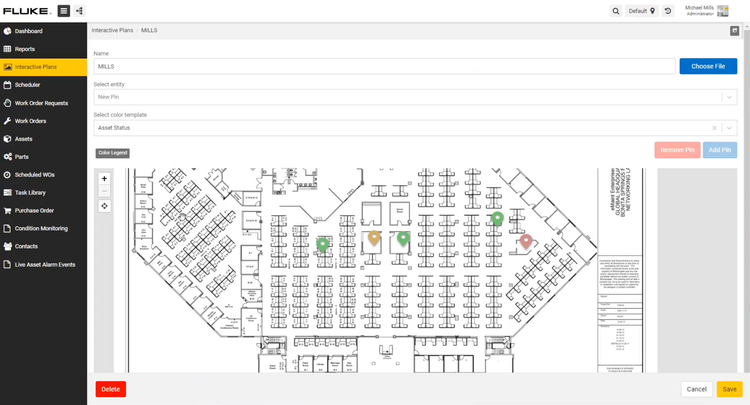
The tool is also helpful for multi-site manufacturers navigating complex production lines across large factory floors. For example, if a conveyor belt or assembly unit breaks down, it can be difficult to identify which plant or production line it belongs to in a standard list view when there are multiple identical sections. The interactive floor plan lets you select the specific plant and area the asset is in, allowing you to easily start a new work order.
eMaint is built to support growing mid to large-sized manufacturers with several facilities and hundreds of assets. The interactive mapping tool is available on the mid-tier Professional plan starting at $85/user/month with a three-user minimum.
Read our full eMaint review to learn more.
Equips - Best for Facility Service Requests
Equips is a facility and maintenance management platform that gives organizations a single place to request, dispatch, and track work orders for their facilities and equipment. It’s used across finance, healthcare, and hospitality organizations, where frontline employees report problems and request maintenance.
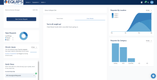
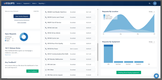
Equips’ Command Center is the central portal connecting every requestor, facility manager, and service provider within the organization. Staff can submit a service request in as little as 15 seconds by scanning a QR code or using the portal, replacing the need to call or email the facility team. From there, Equips dispatches the request to the selected vendor or maintenance team, where they can view the issue details and the equipment’s service history.
Once the request is submitted, the person who submitted it receives real-time updates via email, text, or phone so they don’t have to call to ask when a work order will be finished. And when a provider or internal staff member can’t perform the requested work, the Equips vendor marketplace can be used to find vetted local service providers to complete it. Banks, for example, use the portal so branch staff can request service on equipment like currency counters and get a technician on-site quickly.
Equips is a great facility and maintenance management platform for organizations where employees report most issues and need a simple way to get work moving. Our reviewers find the request portal easy to use for frontline staff, but note that its reporting is less intuitive than that of other platforms on this list. Pricing for Equips starts at around $50/user/month but requires a custom quote that scales with the number of users on the platform.

See our full Equips review for more details.
Click Maint - Best for Preventive Maintenance
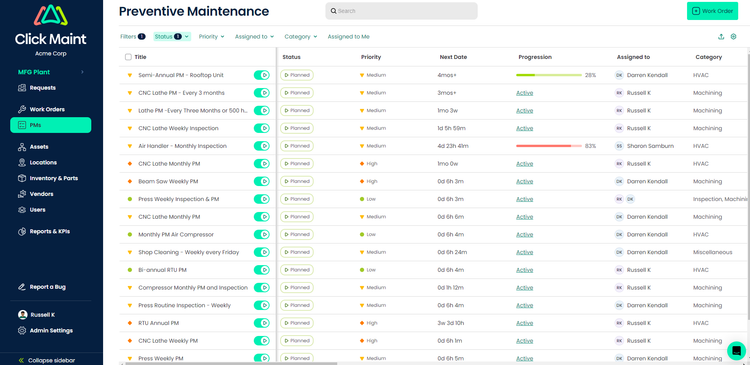
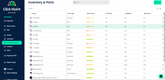
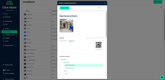
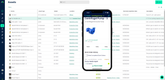
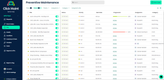
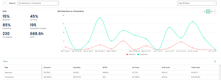
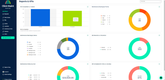
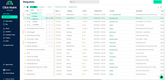
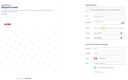
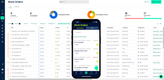
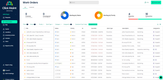
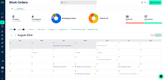
Click Maint’s preventive maintenance module is a great way to keep facilities and equipment up and running. You can assign PMs for critical assets like HVAC or lighting fixtures to reduce downtime and catch potential failures. While most platforms have this function, Click Maint stands out with its easy-to-use interface and mobile app. It makes it simple for teams to assign schedules, prioritize jobs, and track statuses for every facility or asset.
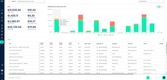
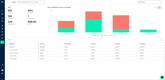
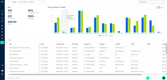
You can also assign PMs to specific locations throughout your facility. This is great for schools or hospitals that need to maintain classrooms and patient rooms regularly. You can view these, along with every other PM, on the consolidated dashboard. Sort by priority or date, and see current statuses and the technician assigned to schedule every task properly.
Click Maint is also one of the most affordable systems on the market. Its all-in-one pricing model is $35/user/month, giving you access to every feature. Plus, there are no pricey add-ons or hidden costs to worry about. That said, large enterprises may find a system like eMaint a better fit, with features like predictive maintenance.

See our full Click Maint product profile for more info.
OperationsHero - Best for Schools and Campuses
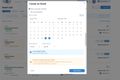
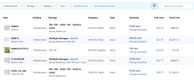
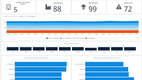
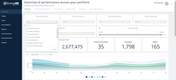
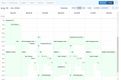
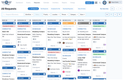
OperationsHero is a facilities management system specifically designed for educational institutions, ranging from K-12 schools to universities. The work order and preventive maintenance modules help keep facilities safe and lower long-term maintenance costs. Staff can submit requests, assign tasks, and create PM schedules all from one dashboard. This results in fewer unexpected breakdowns for items such as HVAC, plumbing, and general equipment.
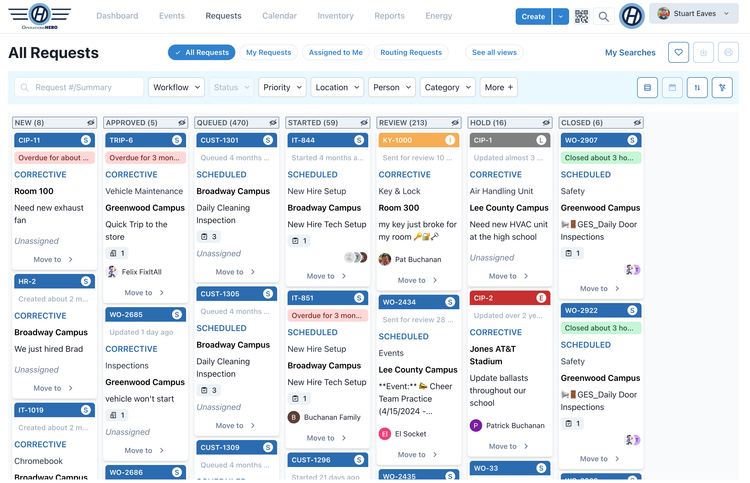
Additionally, OperationsHero’s mobile app makes it easy for anyone to submit a new request. From custodians to teachers, request forms are consolidated into a single dashboard for every maintenance technician to view and complete easily. Teams can also perform inspections on the mobile app, which is crucial for schools with aging infrastructure. Set up pass/fail, scoring, and audit reporting for things like fire safety and air quality.
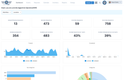
OperationsHero includes several other useful modules, including asset, inventory, and energy-usage management, to give administrators total control of every facility and its equipment. Pricing requires a custom quote and scales based on student enrollment. That said, it’s best for small to midsize organizations, as it can be limiting for enterprises needing more customization.

Get more info on our OperationsHero product page.
Visit our Best Facilities Management Software for Schools roundup for software dedicated to schools and universities.
Brightly TheWorxHub - Best for Healthcare Facilities
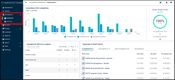
Brightly TheWorxHub generates compliance reports for healthcare facilities like clinics, hospitals, and senior living centers. The reporting tool allows you to group specific reports together to keep an organized list. This includes several standard reports for The Joint Commission (TJC), such as asset risk, equipment statuses, and facility safety. This helps ensure continuous readiness for inspections or accreditation reviews.
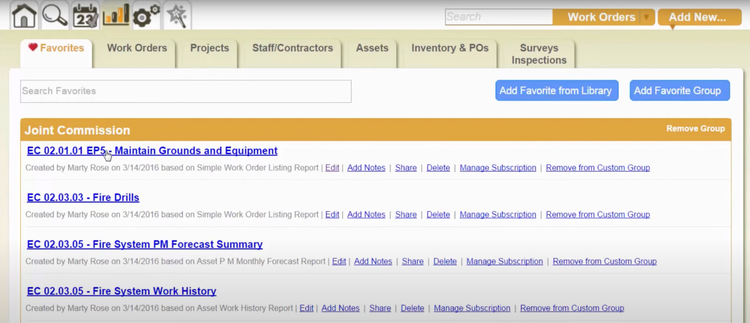
TheWorxHub also includes up-to-date compliance standards for The Joint Commission (TJC) and DNV, along with pre-built templates for Environment of Care (EOC) rounds. The templates cover areas like fire and life safety, infection control, and medical equipment maintenance. Completing these reports regularly keeps your documentation organized and ready for accreditation surveys, which many hospitals rely on to maintain their Medicare and Medicaid participation. As standards change, you can add the newest report templates to your existing report groups.
Additionally, the compliance records connect directly to TheWorxHub’s work order and preventative maintenance module, and their requirements can be tied to the related maintenance tasks. This way, technicians know which standards apply to the job before arriving, and any compliance gaps found can automatically trigger new work orders.
FMX - Best for Facility Reservations
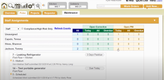
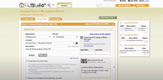
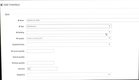
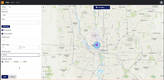
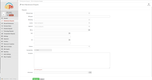
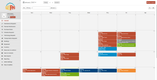
FMX’s reservation finder tool allows schools and universities to rent out spaces like classrooms, auditoriums, or even sports fields within their facilities. Community members and faculty can simply set the date and time they need the space and select the building and room they desire for their event. This helps reduce instances of double-booking and promotes the efficient use of campus facilities.
The system houses all essential space information, including:
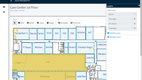
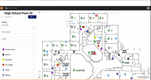
- Floorplans: The floorplan shows a detailed space layout and identifies equipment like projectors and lighting in large auditoriums. This helps you ensure the right resources are allocated for each event.
- Rates: You can set a range for the hourly rate you will charge for the space, streamlining revenue generation.
- Capacity: Set a maximum capacity for each space to ensure the event won’t exceed that number. This maintains safety and ensures compliance, particularly during high-traffic events like exams or orientations.
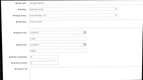
This lets potential renters gather all the information they need about a space before booking, ensuring they get the right space for their needs. It also allows you to centralize all the organization’s important space information and maximize utilization, helping to manage classroom scheduling.
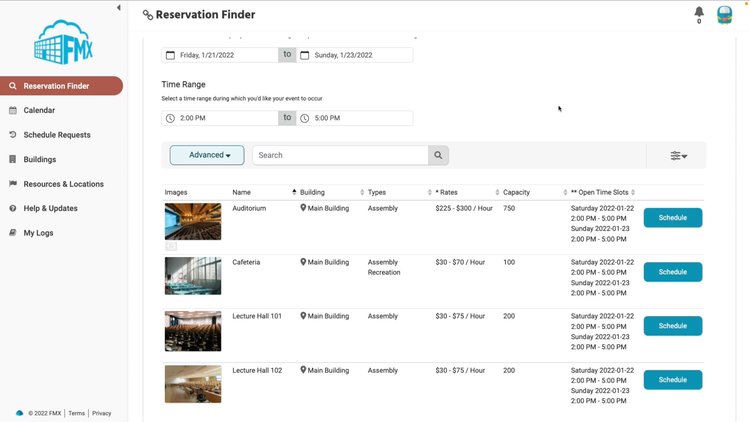
While the reservation finder’s functionality is effective, it is not included in FMX’s dedicated mobile app. That said, users can still access it through a mobile web browser, but it may be clunkier than the desktop version.
Read our full FMX product profile.
OpenBlue Workplace - Best for Space Management
OpenBlue Workplace provides a space management tool that’s effective for several industries, including:
- Healthcare facilities: Manage surgical rooms and high-traffic areas for better patient flow.
- Government buildings: Manage multiple facilities, including municipal buildings and public service centers. Allocate space for each department and service to avoid underutilization or overcrowding.
- Corporate offices: See which departments occupy each section of an office to help foster collaboration and efficiency.
- Educational institutions: View classroom capacity limits and assign appropriate spaces based on class or event size.
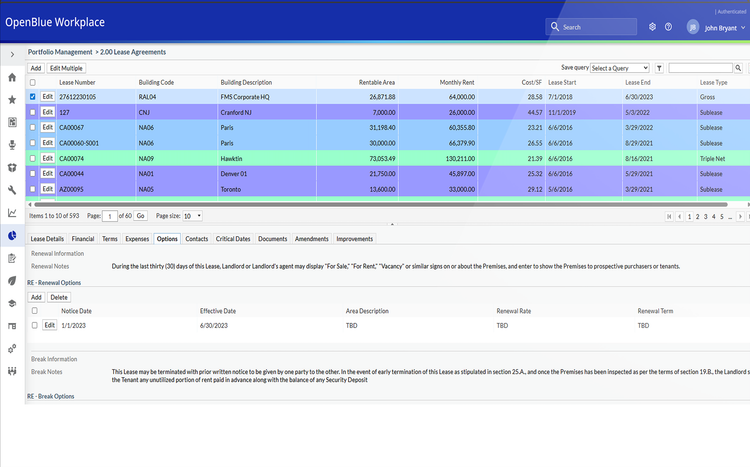
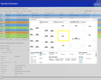
The system can both import and export floor plans from AutoCAD and Revit to update building plans and ensure both systems have the current version. This allows for fast layout adjustments to accommodate facility changes after renovations.
For more advanced functionality, you can integrate with IoT sensors to analyze space utilization metrics. Through motion sensors, you can view heat maps for each room and the average utilization of each room type, such as offices and conference rooms. This can help you see which spaces are being used the most or not at all, which will help maximize space efficiency and reduce future operational costs.
Learn more about OpenBlue Workplace on our product page.
MaintainX - Best Mobile App
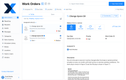
MaintainX is a mobile-first system that is easy to use for you and your techs. The app is the primary interface, so the workflows are designed around how a technician actually moves through a building, rather than how a manager views a dashboard. When you’re completing work orders, just scan the QR code on the equipment to instantly view asset details, including maintenance history and safety protocols. As you’re completing it, upload photos or add voice notes for future reference.
The mobile app can be used across a variety of industries. Whether you’re on the production floor of a manufacturing plant or in an office building fixing an HVAC, it helps complete inspections and close out work orders faster than manual methods. And if any problems happen out in the field, techs can message supervisors in real time without leaving the platform.

MaintainX is also pretty affordable for small to mid-size teams, though it can get pricey quickly under the per-user model. There’s a free plan to get started, but otherwise, the most popular Premium plan is $75/user/month. This gives you access to unlimited work orders with attached procedures, parts inventory, and meter-based maintenance.


Read our full review on theMaintainX CMMS platform.
ServiceChannel - Best for Multi-Location Facilities
ServiceChannel is a facilities management platform used by retail chains, restaurant groups, grocers, banks, and fitness brands with multiple locations. The software provides facility managers with a structured workflow and a single view of an organization’s maintenance performance, spending, and site conditions across all facilities.
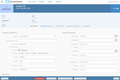
Employees or store managers can submit service requests from their own site, and ServiceChannel automatically routes them using predefined rules for each location, trade, or warranty status. For example, an electrical issue at one store can go straight to the service contractor assigned to that region, while equipment under warranty routes directly to its manufacturer or preferred warranty provider. ServiceChannel supports both in-house maintenance teams and outside contractors, so every repair is tracked in the same system, no matter who does the work.
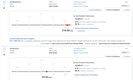
From there, the corporate or the central facility management team can use analytics to compare performance and facility spending trends by each location, asset, or trade. ServiceChannel will highlight the assets with the most downtime and the location with the worst condition. Managers can also auto-assign quarterly or annual site audit checklists to collect on-site condition data that helps with company-wide capital planning.
ServiceChannel is best for organizations with ten or more sites that need to standardize maintenance across multiple locations. It’s less suited for single-site teams or small portfolios that don’t need location-level reporting or routing. Our reviewers also point out that, because of its feature set, the system has a learning curve when first implemented. Pricing for ServiceChannel is quote-based and requires a consultation to better understand the complexity of your facility operations.

View our full ServiceChannel product profile.
Planon - Best for Energy Management
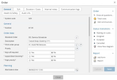
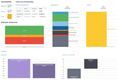
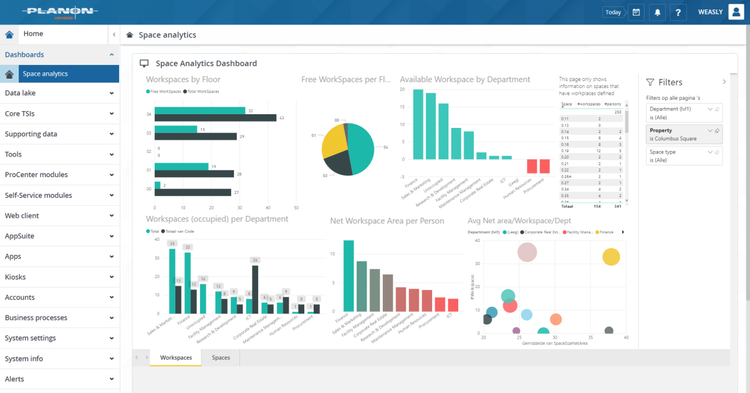
Planon provides real-time energy monitoring with sustainability reports. The module is ideal for large retail companies that depend on extensive energy-consuming equipment types like HVAC, refrigeration, and lighting at multiple locations. Planon can support national or even global operations, helping consolidate energy consumption data into one convenient dashboard with easy-to-read charts. This helps monitor day-to-day consumption and identify suspicious spikes or dips in usage, which may indicate faulty equipment or bad practices.
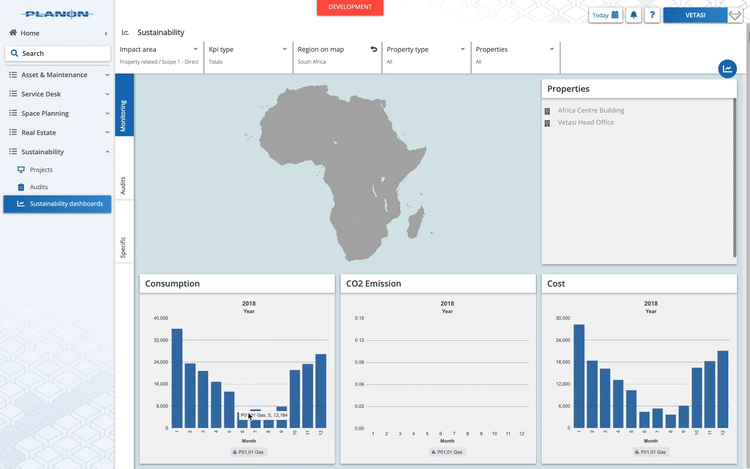
The data can be recorded manually or through integrated sensors. These can capture meter data for electricity consumption, natural gas, and water usage across all sources within each facility. When a meter indicates a potential leak or outage, you can create a maintenance request instantly for a fast response.
The system also helps you achieve sustainability goals by capturing data such as CO2 emissions and overall energy efficiency. It includes audits for Leadership in Energy and Environmental Design (LEED) and Building Research Establishment Environmental Assessment Method (BREEAM) to evaluate each facility’s performance. While not mandatory, these audits are crucial for companies that wish to demonstrate their commitment to sustainability and operational efficiency.
Read our full Planon product profile.
Other Systems We Recommend
Corrigo is a facility management software by JLL that we recommend for large enterprises. It is built for organizations that manage maintenance across thousands of assets and facilities. Corrigo supports in-house and contracted service providers with two-way messaging, access to a large network of vendors, and integrates with existing accounting, ERP, and BI systems. Our users report that its setup and implementation are complex, though that is common for platforms of this size.
What is Facility Management Software?
Facility management software (FMS) helps organizations manage the maintenance and day-to-day operations of their buildings. These systems are used to handle service requests and work orders, schedule preventive maintenance, track assets, and keep facilities compliant with inspections and safety codes.
Facility management software is often grouped with CMMS and EAM systems because they share many of the same features, such as work order and asset tracking. You may also see it called CAFM (computer-aided facility management) software. The main difference between them is their focus: a CMMS is centered on maintaining equipment, while facility management and CAFM software focus on the building itself, including space and energy management, service requests, and compliance.
Key Features and Benefits
Facility management software offers several distinct features that have multiple benefits, including:
| Feature | Description | Benefit |
|---|---|---|
| Work order management | Creates, assigns, and tracks maintenance jobs from start to finish, including technician notes, parts used, and completion records. | Gives your team a clear view of open, overdue, and completed work so nothing falls through the cracks. |
| Service request management | Gives staff a simple portal or app to report facility issues, which are then routed to the right technician or vendor with status updates along the way. | Replaces phone calls and emails with one trackable process, and keeps the people who reported the issue informed without follow-ups. |
| Preventive maintenance management | Monitor asset conditions and deploy a preventive maintenance schedule. | Extends asset life and ensures assets are well-maintained. |
| Asset management | Tracks and manages physical assets within each facility through barcoding and floor mapping. | Helps keep a detailed record of every asset to ensure optimal performance. |
| Compliance tracking | Documents all maintenance history, reports, and inspections for the facility. | Keeps businesses audit-ready and helps ensure their facilities are up to code. |
| Vendor management | Keep a repository of all external service providers. | Ensure the right technician is assigned for each job. Track their performance to monitor job quality. |
| Space management | Helps plan, visualize, and efficiently utilize your physical spaces within each facility. Systems often include interactive floor plans for easy visualization. | Allows you to better understand under-utilized spaces and reduce costs by efficiently mapping each space. |
| Energy management | Record and monitor total energy consumption across all facilities and track total emissions. | Hit sustainability goals and identify inefficiencies in facility energy usage. |
| Lease and property management | Manages all lease contracts and tenant information for commercial real estate companies. | Stores all lease contract details in one system with maintenance and tenant history for efficient reference. |
| Room reservations | Rent out unused spaces within your facility for event hosting or extra office space. | Educational institutions or government municipalities can efficiently utilize their facilities and spaces to generate extra income. |
IWMS vs FM
Integrated Workplace Management Systems (IWMS) and Facility Management (FM) software both support facility operations and have some overlap. However, they differ in the scope of features offered and the business use case.
-
Facility Management software: Focused on the day-to-day operations by managing assets, work orders, space reservations, and facility services.
-
IWMS: Designed for enterprise-level planning by combining capabilities for managing real estate portfolios, capital projects, space utilization, sustainability initiatives, and the workplace experience. Often integrates with existing technology such as ERP, HR, and maintenance systems.
| . | Facility Management Software | IWMS (Integrated Workplace Management) |
|---|---|---|
| Scope | Operational | Strategic + Operational |
| Core Functions | Maintenance, assets, space usage | Space, real estate, projects, energy, FM |
| Integration Level | Standalone or partial integration | Unified across multiple functions (ERP, HR, CMMS) |
| Ideal For | FM teams needing control & clarity | Enterprises needing cross-functional insights |
While both systems share functionality for managing maintenance, assets, and space, IWMS takes it a step further with deeper integrations and strategic planning. It’s best suited for enterprise organizations with multi-site or complex facility operations, while FM systems are ideal for teams more focused on day-to-day facility management.
How to Choose a Facility Management System
Facility management systems are often designed to fit the needs of specific industries. When searching for a system, it’s important to consider what functionalities your business requires. Some common industries and important features within them include:
| Industry Subset | Most Important Software Features | Examples of Facilities Managed | Recommended Systems |
|---|---|---|---|
| Healthcare | Compliance & safety, space and room management, work order management | Hospitals, clinics, nursing homes | Brightly TheWorxHub |
| Commercial real estate | Lease management, space optimization, energy utilization | Office buildings, shopping malls, warehouses | OpenBlue Workplace, Planon |
| Retail | Energy management, asset management, work order management | Supermarkets, department stores, showrooms | ServiceChannel, Planon |
| Education | Space management, equipment monitoring, reservation scheduling | University buildings, K-12 schools | FMX, OperationsHero |
| Government & municipalities | Work order tracking, space management, asset management | Public parks, libraries, city halls | FMX, OpenBlue Workplace |
| Manufacturing | Preventive maintenance, floorplan mapping, asset management | Production plants, warehouses, offices | eMaint CMMS |
Pricing
Facility management software pricing varies widely based on how the vendor charges, how many users and locations you have, and which features you need. Most FMS software costs between $20 and $200 per user per month, depending on the team size and deployment model. Below is a cost breakdown by facility size:
| Organization Size | Estimated Cost | What You Get | Examples |
|---|---|---|---|
| Small teams or single sites | $20 to $75/user/month | Work orders, service request portals, preventive maintenance scheduling, mobile access, and basic asset tracking | Click Maint, MaintainX |
| Mid-size organizations or multiple buildings | $50 to $125/user/month | Everything above, plus advanced reporting, parts inventory, vendor management, and compliance tracking | eMaint CMMS, Equips, FMX, OperationsHero |
| Enterprises or multi-location portfolios | Custom quote, $15,000+/year | Multi-site management, integrations with ERP and other systems, SSO, portfolio-wide analytics, and modules like space, energy, and lease management | ServiceChannel, Planon, OpenBlue Workplace, Brightly TheWorxHub |
Factors that affect your pricing:
- The size of your business
- Number of users
- Required features
- Number of facilities and assets