
The Best Oil and Gas Software
Most oil and gas companies run on industry-specific accounting or ERP systems. We reviewed the top software for joint interest billing, revenue distribution, production, and land.

- Highly scalable and customizable
- Comprehensive financial management
- Responsive customer support
- Automated asset tracking
- Real-time monitoring of wells
- Dynamic analysis of well performance
- Supports a wide range of oilfield-specific tools and equipment
- Connects yard, field, and back-office operations
- Strong rental billing and asset management
Using our advanced review methodology, we’ve ranked the best oil and gas software, focusing on the accounting and ERP systems that upstream operators and oilfield service companies use to run their businesses.
- PakEnergy: Best Accounting Module
- Petrofly: Best Production Planning Tools
- RTMS: Best for Oilfield Services
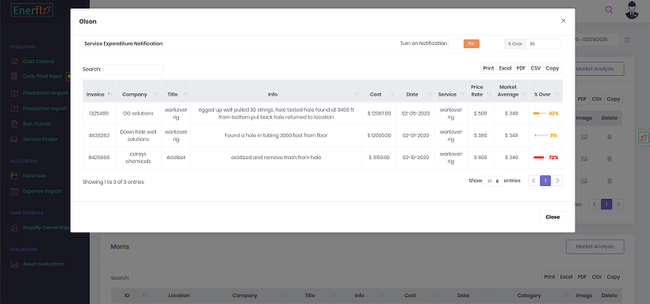
- Enertia: Best Production-to-Accounting Integration
- Quorum: Best for Land Management
- SOGAS: Best for U.S. Producers
- RigER: Best for Oilfield Service Billing
- Deacom: Best for Lubricant Manufacturers
PakEnergy - Best Accounting Module
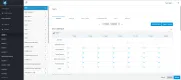
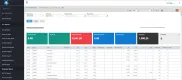
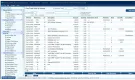
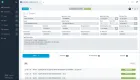
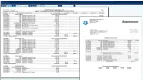
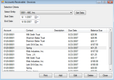
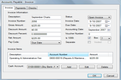
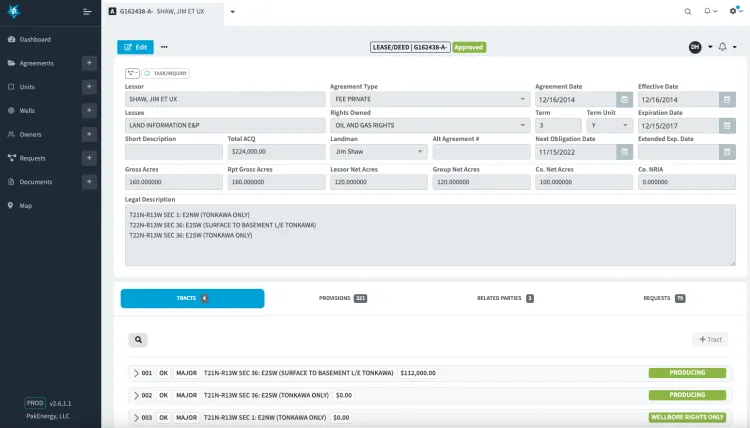
PakEnergy (formerly WolfePak) is an oil and gas ERP built for E&P operators, first purchasers, investors, and service companies. The chart of accounts, reporting structure, and data entry screens are specific to oil and gas, not adapted from a general accounting platform.
The accounting module includes:
- General ledger with account and cost center drill-down
- Accounts payable and receivable
- Bank reconciliation
- Deposit entry
- 1099 processing (MISC, INT, DIV, and several other types)
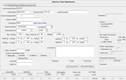
The joint interest billing module is built for operators managing complex ownership structures: different overhead rates per owner group, AFE (Authorization for Expenditure) netting, and exemptions that vary by charge type. If your investor roster is constantly changing, that flexibility matters.
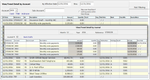
Revenue distribution handles the other side of that relationship. It tracks suspense at the individual owner level and posts GL entries in real time as suspense changes. It also cuts 1099s, summarized by lease and state, when it’s time to report.
E&P operators run PakEnergy at any portfolio size, including those with active M&A. Crude oil first purchasers use the integrated purchase system that syncs with driver operations. PakEnergy doesn’t publish pricing and requires a consultation call for a quote.

Petrofly - Best Production Planning Tools
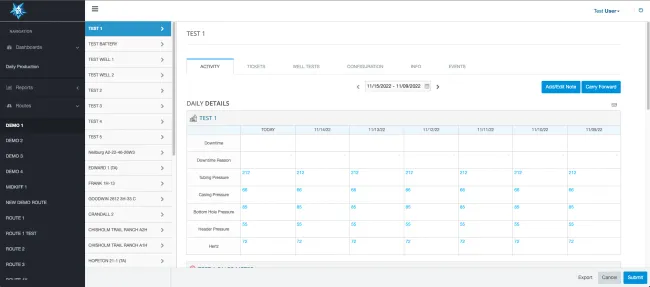
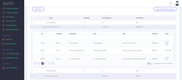
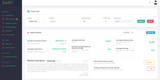
Petrofly sets itself apart with its production scenario planning tool. You can use historical data for each well to simulate schedules and account for workover downtime. Additionally, you can account for risks that may affect timing and volumes.
Petrofly pulls in live measurement and production data, such as SCADA parameters and readings, from both off-site and on-site equipment. Your field crew can also record numbers offline and sync them later when they have a connection, keeping your base assumptions up to date when you run a new scenario.
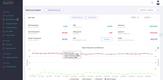
The built-in payout and EUR calculators let you run a case and predict expected recovery; the payout estimate then shows when capital is likely to return. This makes it easy to switch between scenarios and see how changes to downtime or workover timing would affect those estimates. Petrofly also includes operating expense and profit analysis, so you can compare production curves and cost burdens tied to the schedule you’re modeling.
Petrofly is a production tool, not a full accounting system, so most operators pair it with an oil and gas accounting platform. It’s accessible on mobile devices, with production reports delivered by email and text. Petrofly falls in the entry-level pricing range, from $1,500 to $7,500 per year, though the developer doesn’t publish pricing, so you’ll need a custom quote.
RTMS - Best for Oilfield Services
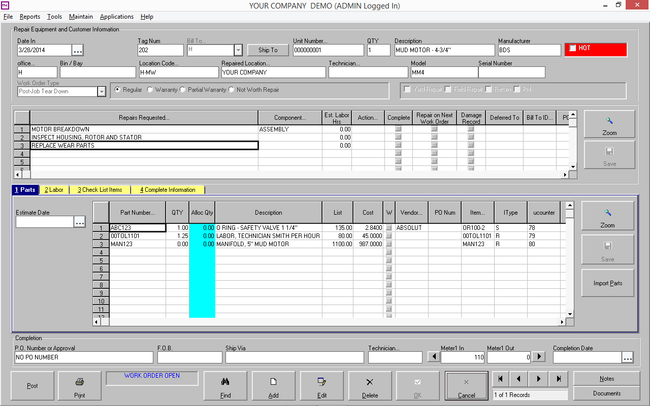
RTMS is built for companies that rent, sell, and service oilfield equipment, from drill pipe and wireline tools to land rigs. Instead of bolting a rental tracker onto generic accounting, RTMS runs the job from the first ticket through the final invoice.
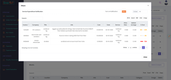
The core of the system is its field and return ticket management. Tickets can be created in the field or the office when equipment goes out on a job, and return tickets close the loop when tools come back. Each ticket flows into invoice billing, so rental days, sold items, and service charges are applied to the customer’s invoice without rekeying. Returned equipment can route straight into the repair and maintenance module, and the fixed asset module tracks the value of your rental fleet over time.
RTMS also includes purchasing, inventory, EDI integration, and its own AP and AR modules, and it integrates with QuickBooks Online if you’d rather keep your books there.
Enertia - Best Production-to-Accounting Integration
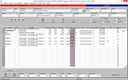
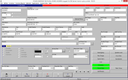
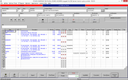
Enertia positions itself as a single-vendor system that carries data from the wellhead to the financial statements, covering accounting, land and contracts, and production in one suite.
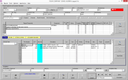
The well production and operations module is where that integration shows. Field data capture feeds daily production estimates and monthly volume allocations, which in turn drive revenue accounting and distribution without a separate import step.
The same module handles AFE management, morning reports, and wellbore schematics, so operations and accounting work from the same well records. When a volume is corrected, the change carries over to owner payments and joint interest billing rather than sitting in a spreadsheet waiting to be reconciled.
Enertia is designed for mid-size operators and larger independents that have outgrown a basic accounting package. Implementation and data migration can take real time, and the full suite may be more than a small operator with a handful of wells needs.
Quorum - Best for Land Management
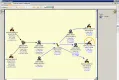
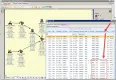
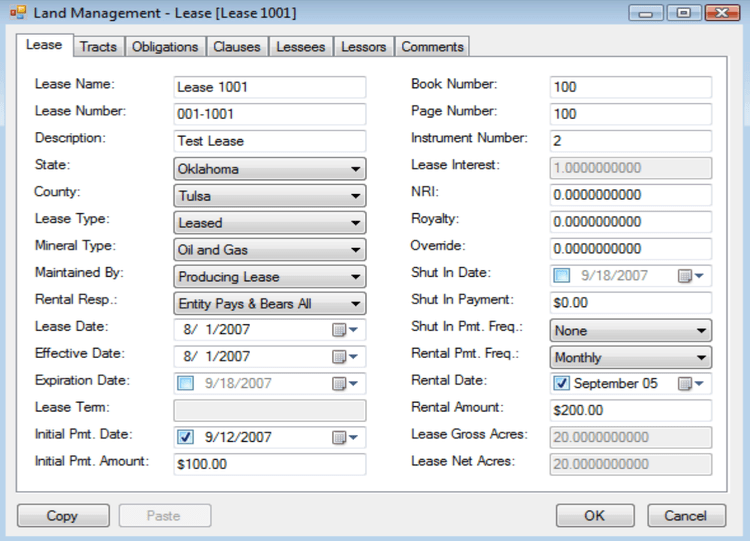
Quorum provides a suite of modules covering upstream, midstream, and downstream operations. Its land management capabilities are a standout, giving you tools to track ownership, handle land acquisitions, manage lease payments, and keep accurate financial records tied to each agreement.
Beyond land, Quorum covers production, accounting, and supply chain management, and it offers BI tools for analyzing data in real time. Quorum On Demand packages its upstream accounting, land, and production tools for operators who want a hosted option. Quorum is built to scale with mid-sized and large oil and gas companies, but very small operators may find it more complex and costly than they need.
SOGAS - Best for U.S. Producers
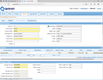
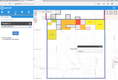
SOGAS offers a streamlined platform built for the operational, accounting, and regulatory needs of smaller U.S.-based oil and gas companies. Its core modules include production tracking, revenue distribution, joint interest billing, and tax reporting.
The system is built around U.S. regulatory and tax compliance requirements, making it a good fit for operators managing domestic wells and lease agreements. With built-in support for state severance taxes, royalty payments, and 1099 processing, SOGAS simplifies financial management while keeping you aligned with federal and state reporting standards.
For companies with smaller teams or limited IT resources, SOGAS is a more approachable alternative to larger ERP platforms. It’s a strong fit for independent operators, family-owned producers, and smaller private equity-backed firms working only in the U.S. market.
RigER - Best for Oilfield Service Billing
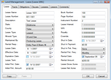
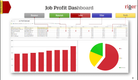
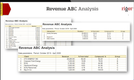
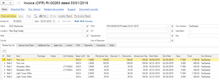
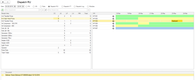
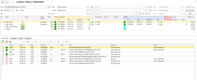
RigER is designed to streamline oilfield service scheduling, fleet dispatching, operational data management, and invoicing. The invoicing module includes Rental Services Agreement (RSA) integration. Each job in RigER starts with an RSA that includes all job parameters, like services, billing terms, rental equipment, and field tickets. RSAs then connect to invoicing by tracking equipment rentals and consumable usage, so your final invoice covers everything on the job.
The invoicing module supports flexible invoice types for complex billing scenarios:
- Service: Bills for jobs that solely involve services like drilling support, well testing, cementing, or hydraulic fracturing.
- Repair: Records expenses associated with repairing equipment on the job site due to unexpected breakdowns, regular wear, or client-caused damages.
- Rental: Bills for jobs involving rental equipment, like drilling rigs and generators, along with consumables like fuel or chemicals.
- Multi-Well Allocation: Splits the total cost of jobs that span multiple wells based on each well’s share of work by usage, time, or percentage.
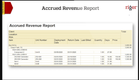
RigER also automates invoicing on predefined billing cycles, from daily to monthly, and can create bulk invoices in one click. It includes mobile apps and integrates with ERP, accounting, billing, and business analytics tools.
Deacom - Best for Lubricant Manufacturers
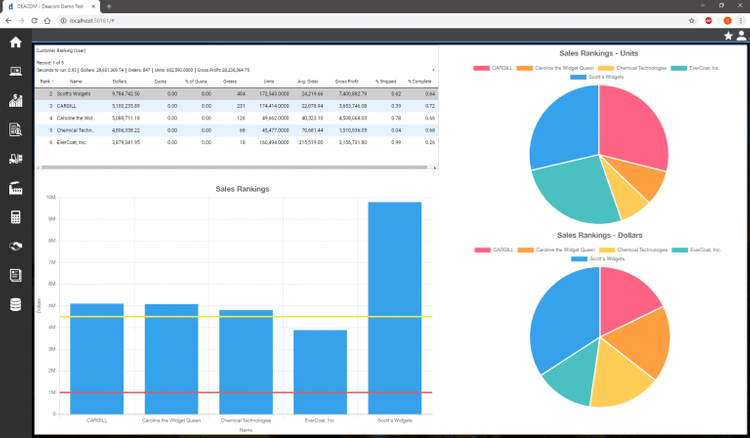
Deacom, now part of ECI Software Solutions, is a process manufacturing ERP used by lubricant blenders and specialty oil producers, including Tulco Oils and Pinnacle Oil. It’s built for companies that turn base oils and additives into finished products.
Deacom’s strength is keeping formulation, lot control, and regulatory reporting in one system. Formulas and batch tickets tie directly to inventory, so every blend consumes tracked lots of base oil and additives, and finished goods carry that lot history forward to the customer shipment.
Regulatory documents are generated from the same formula data, and sales order entry, CRM, purchasing, and accounting all sit on the same database, so you aren’t reconciling separate systems at month-end. Deacom doesn’t handle joint interest billing, revenue distribution, or land, so it’s not a fit for producers.
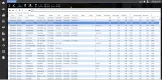
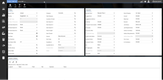
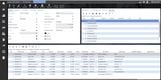
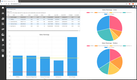
What is Oil and Gas Software?
Oil and gas software is a digital tool that helps automate oilfield operations, including exploration, extraction, production, distribution, or customer sales.
This software covers the entire spectrum of businesses within the oil and gas industry, from the earliest oilfield discovery to end-consumer retail sales. Oil and gas software is commonly used by production, pipeline, and plant operators, equipment manufacturers, inspection services, and oilfield services. Software vendors offer a number of solutions that help streamline operations.
Common software features across most oil and gas business types include accounting to ensure profitability and asset management to maintain equipment. These features are intended to address the industry’s specific workflows.
Key Features
| Feature | Functionality |
|---|---|
| Accounting | Manage accounts payable and accounts receivable. Track joint billing between investors and owners. Manage taxes based on the product and sales location. Track depreciation, depletion, and amortization (DD&A). |
| Oil and Gas Production Reporting | Field data capture systems provide production and operation reports on meter readings, well status, downtime, and more to improve performance management. |
| Asset Management | Track on-hand assets, including materials and equipment. Keep track of preventative maintenance deadlines to improve asset performance. |
| Regulatory Compliance Management | Manage compliance requirements from various state, federal, and international organizations. Examples include the EPA air pollution monitoring, the Bureau of Land Management Oil and Gas inspection and enforcement, and the Global Reporting Initiative oil and gas sector disclosures. |
| Document Management | Store permits, lease information, and other important documents in one system. |
| Quality Management | Perform tests throughout the extraction and refinement process to ensure the oil and gas products meet quality standards. |
| Land Management | Manage land purchases and leases. Land management systems typically include lease master records, land management inquiry subsystems, and contractual obligations systems to keep records organized. |
Top Benefits
- Maintain regulatory compliance: The oil and gas industry is one of the most tightly regulated in the world. Software helps you stay on top of constantly changing global standards.
- Streamline operations from start to finish: Automating processing throughout the entire process improves efficiency, allowing workers at every level to get more done.
- Improve high-level decision-making: Top decision-makers can determine the most profitable next steps by getting the latest, real-time information about the market.
Software Trends
-
AI-Driven Predictive Analytics
Artificial intelligence and machine learning are increasingly utilized to optimize drilling, production forecasting, and equipment maintenance. As noted in Artificial intelligence in oil and gas upstream: trends, challenges, and scenarios for the future, these technologies help operators reduce downtime, extend asset life, and improve well performance across the energy sector. -
Automation in Back-Office Operations
Automation is transforming back-office functions like land management, joint interest billing, revenue distribution, and regulatory reporting. AI-powered tools can now interpret complex contracts, streamline invoice reconciliation, and reduce manual data entry errors. As highlighted by TROOTECH’s review of oil and gas software trends, automation is also improving financial oversight by flagging anomalies in transaction data and assisting HR teams with scheduling and compliance. -
Cloud-Native Systems
Cloud-based platforms are rapidly becoming the standard for new oil and gas software deployments. According to Straits Research’s oil and gas cloud market analysis, the global oil and gas cloud applications market is projected to grow at 14.4% CAGR, reaching over $22 billion by 2033. Cloud-native solutions allow companies to centralize data, reduce infrastructure costs, and scale rapidly as operations expand. -
Integration with IoT Devices
The growing use of IoT sensors, SCADA systems, and real-time field monitoring requires software platforms that can capture and process high-frequency operational data. This enables predictive maintenance, safety monitoring, and production optimization. As Digi explains in its IoT in Oil and Gas overview, this segment is expected to reach nearly $28 billion by 2032, reflecting the industry’s increasing reliance on real-time connected devices.
Pricing Guide
Oil and gas software pricing can vary significantly depending on the size of your operation, the number of active wells, and the complexity of the required features. Below is a general breakdown by business size and system tier:
| Tier | Company Size | Estimated Cost | Example Systems |
|---|---|---|---|
| Entry-Level | 1–20 employees (or <10 wells) | $1,500 – $7,500 per year | Petrofly, FieldCap, GreaseBook |
| Mid-Tier | 20–100 employees (or 10–50 wells) | $10,000 – $35,000 per year | RTMS, Wellsite Report, RigER |
| High-Tier | 100–500 employees (or 50–200 wells) | $35,000 – $125,000 per year | WolfePak, Quorum On Demand, P2 Merrick |
| Enterprise | 500+ employees (or 200+ wells) | $150,000 – $750,000+ per year | P2 Energy Solutions, SAP S/4HANA, Oracle, IFS |
How to Choose
There are many types of systems that can sufficiently support oil and gas businesses. While you could manage operations with a complete ERP system, there are many benefits to using an industry-specific oil and gas solution. Standalone systems geared toward the oil and gas industries help you control costs, promote efficiency, manage royalties, and run a profitable operation. Many full-featured solutions allow you to add modules as your business grows.
Task-specific solutions are also available, allowing you to add functionality to your existing systems. For example, you can integrate your accounting platform with production software to monitor field operations and improve daily reporting. Rental management and equipment management software are other common add-ons, giving you better control over rental equipment tracking, inventory control, and maintenance of valuable equipment. These tools help companies expand functionality as their needs grow without replacing existing systems.
Integration Options
Full ERP systems can meet your needs across operations management and back-office business processes. Oil and gas ERP software manages accounting, land leases, and production processes. The system can also handle HR functions such as hiring and onboarding, benefits management, and payroll.
Project management software lets you schedule your crews and subcontractors, ensuring you have the right people on board at all times and performing the work they should be doing.
Job costing tools are another important part of construction work. You need to track your labor, machine and equipment, fuel, and any contract labor costs. Tracking these costs will also help you better understand your cash flow.
Natural Resources Exploration Related Software Needs
Before you roll your first piece of equipment onto the property, there are a number of activities that must take place, and they cost you money. Here is how software helps with every step of the process:
Forecasting Revenue and Expenses
Budgeting and forecasting software tools that allow you to quantify likely expenses and potential revenues are particularly important for companies involved in natural resources exploration. Forecasting revenue and expenses improves decision-making.
Obtaining Permits and Managing Documents
The process of obtaining permits for land exploration and extraction is incredibly complex. Document management software makes you more efficient by storing all your permitting documents in one place.
Oil and gas software will also manage other important documents, such as leases. Keep track of lease terms, payments, expiration dates, and more.
Environmental Impact Studies
Environmental studies are a major source of cost. The permitting process can require approval from local, state, and federal agencies. Maintaining compliance and reaching approval is significantly easier and less risky with the help of software tools.
Typical Software Needs for Oil and Gas Production Work
If you run an oil and gas production business, tracking operational costs is a central concern for your software. Managing costs associated with the operation of a mine or well can include labor costs, equipment and repairs, fuel, and transportation. Understanding where your money is going at this point in the process is critical.
Production Planning
If you are not producing enough to meet customer demand, you may need to hire more employees or subcontractors or bring in more equipment. Whatever the case may be, a production planning module will help you understand how much demand you have and how much material you are processing to keep up with customer demand.
Logistics and Delivery
The operational modules will also help you with the logistics and delivery of the items. Tracking the costs of transporting materials to your customers is critical to understanding your profitability. The software will also help you analyze which mode of transportation offers the best price and delivery time.
Fuel Retail Sales
Delivering products to the market involves another set of complexities. Customer relationship management software can greatly assist in identifying and tracking information about buyers. This will allow you to manage each buyer’s contact information, including typical purchases, total spend, discounts applied, and more.
Custom vs. Off-the-Shelf Software
Oil and gas companies often have proprietary processes, like real-time well monitoring. These may require tailored solutions that off-the-shelf software rarely provides. Here is a breakdown of these systems to help you make your decision:
| Feature | Custom Software | Off-the-Shelf Software |
|---|---|---|
| Cost | High upfront cost but tailored to meet complex needs | Lower initial cost for general operations like accounting or inventory management |
| Development Time | Longer development cycle, especially if integrating with specialized equipment or legacy systems | Immediate availability for quicker deployment |
| Customization | Fully customizable to address unique workflows | Limited customization covering broad industry needs |
| Support | Requires dedicated IT team or vendor collaboration to maintain and update | Standard vendor-provided support, often with pre-built knowledge bases |
If you have unique requirements or specific integration needs, custom software is likely your best choice. However, if you’re looking for a budget-friendly and quick system, standardized software is a good option.