The Best Nonprofit Case Management Software
We’ve reviewed the top nonprofit case management software to suit the diverse needs of mission-driven organizations. These systems offer features for managing social programs, client intakes, goals, documentation, and calendars.


- Customizable and flexible forms and templates
- Responsive customer support
- HIPAA Compliant

- Customizable reports
- Fundraising management
- User-friendly interface
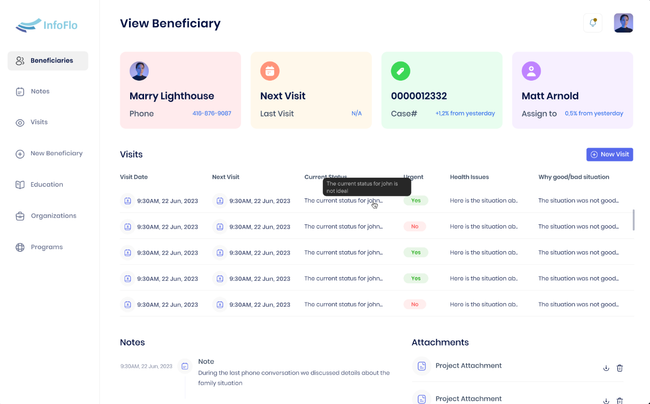
- Customizable features
- Modern user-friendly interface
- Data migration and training included in the monthly cost
Nonprofit case management software is a specialized tool that tracks client cases, services, and programs to enhance service delivery. Based on our internal review process and user reviews, here’s a rundown of the top systems.
- PlanStreet: Best Customization Options
- NewOrg: Best for Community Development Organizations
- InfoFlo Impact: Best for Shelter and Social Services
- CharityTracker: Best for Community Networks
- CaseWorthy: Best for Housing-Related Assistance
- Community CareLink: Best for Care Delivery
- Bonterra Impact Management: Most User-Friendly
- LiveImpact: Best for Multi-Program Nonprofits
- Casebook: Best Communication Tools
- Sumac: Best Client Lifecycle Management
- Notehouse: Most Affordable Pricing
PlanStreet - Best Customization Options
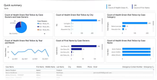
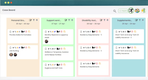
PlanStreet’s customizable workflows enable you to tailor your case management processes to fit your client or program’s specific needs. You can configure these workflows to reflect your service delivery model, from intake to case planning and closure.
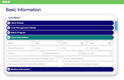
With PlanStreet, you can customize a pre-built template or build a workflow from scratch using the drag-and-drop interface. These processes can include personalized forms that collect key client details, auto-assigned tasks, progress tracking, and alerts to ensure timely support.
For example, if you’re a nonprofit supporting people experiencing homelessness, you can use PlanStreet to manage your housing assistance program. Whenever a client enters the shelter, you can log their details into the system, triggering an intake workflow and prompting the caseworker to complete a needs assessment.
Based on the test responses, PlanStreet’s conditional logic will assign the caseworker to either a long-term housing program or an emergency shelter. If assigned to the long-term program, the software will create a task list that includes housing application submission, job assistance referrals, and mental health counseling. The system will also notify staff when a task needs attention. Once the client has housing, the case will be marked for closure, and PlanStreet will generate reports on service attentiveness.
PlanStreet best suits small to midsize nonprofit organizations with 10-500 employees. It offers custom pricing plans, though there is a ten-user minimum in place.
NewOrg - Best for Community Development Organizations
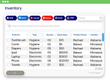
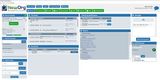
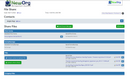
NewOrg’s volunteer management module provides community development organizations with a custom public-facing web portal for volunteer sign-ups. It replaces paper sign-up sheets and manual scheduling.
You can tailor the sign-up process to your organization with configurable application forms, surveys that capture interests and availability, and custom email confirmations. Everything a volunteer submits lands in the same system as your clients and programs. Volunteer and portal users don’t count toward your license, so a growing volunteer base won’t raise your monthly bill.
NewOrg builds the system with you, rather than handing you a blank setup. You get a dedicated implementation manager, a 6-to-12-week rollout, and data migration handled by their team.
Pricing starts at $250/month for two users and $400/month for five. There’s an initial $3,500 one-time implementation fee, plus $1,000 to set up the public portal.



InfoFlo Impact - Best for Shelter and Social Services
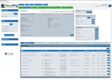
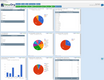
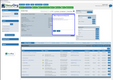
InfoFlo Impact is a cloud-based case management platform built for nonprofit shelters, food banks, and social service agencies. It manages every case from intake and evaluation through goals, referrals, and outcome reporting. And with custom intake forms you build yourself, the questions can match whoever you take in.
Once someone is taken in, InfoFlo’s shelter management module tracks where they stay and who assigns them. You can create unlimited virtual rooms that mirror the actual beds in your shelter, keeping a live record of occupancy as people are checked in and out. For high-volume shelters, automated waitlists can manage who’s next in line so a bed doesn’t sit empty overnight.
InfoFlo is also built to manage the programs and services you run alongside a shelter stay. Program class management records attendance for services such as counseling, education, and job-readiness sessions and attaches them to the ongoing case file. And when physical items like hygiene kits and clothing are given out, they’re also timestamped and attached. For funders and auditors looking for demonstrated impact, there’s always a clear record of what your program delivers.
InfoFlo publishes its pricing and offers a free trial, which is uncommon in this category. Plans are sold by team size, starting at three users. Billed monthly, a three-user team pays $44/user/month for Essentials ($132/month), and shelter and program management require the Pro plan at $59/user/month ($177/month).
InfoFlo builds the system for you; small tweaks like renaming or adding a field are free, and training and ongoing support are included in the monthly price.

CharityTracker - Best for Community Networks
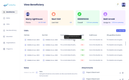
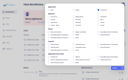
CharityTracker is built around a shared client network, so churches, community nonprofits, and assistance coalitions in the same area can see who has already helped a client. With a signed release from the client, partner agencies view the same profile and log each type of assistance given, whether rent, utilities, or food. Two agencies don’t end up covering the same need, and your assistance budget goes further. A network admin approves who can join, so client records reach only trusted partners.
The client intake module consolidates demographics, service history, and eligibility into a single profile, and the Pro plan adds remote intake via kiosk mode. If you run a food pantry, look at the sister product, Oasis Insight.
The Basic plan is $20/user/month, but outcome tracking and referrals require the Plus plan at $40/user/month. There’s no onboarding fee, a 14-day free trial, and community-wide pricing for coalitions. In some networks, the coalition pays, and member agencies join free.
Setup is self-serve unless you pay CharityTracker to import your data. However, custom reports cost extra beyond the standard set.

CaseWorthy - Best for Housing-Related Assistance
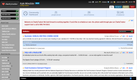
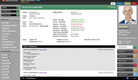
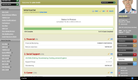
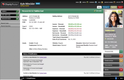
CaseWorthy includes a utility assistance module that triggers a request when a client is enrolled in a housing program; the system generates an alert with the specific amount of assistance the client is eligible for, based on the rent calculation and lease submission process.
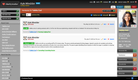
After your case manager clicks the alert, they enter a dedicated workspace with lease terms and client details displayed prominently at the top. Beneath that, CaseWorthy clearly outlines the utility allowance and assistance eligibility amounts side-by-side. They’ll see a categorized breakdown for electric and natural gas, including detailed line items like water heating, cooking gas, and electricity. This makes it easy to understand at a glance exactly what utilities are covered. Built-in checks confirm requested assistance matches the eligibility amounts; if discrepancies arise, Caseworthy prevents submission and prompts users to review and correct the data.
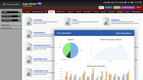
Your case managers can select the appropriate utility vendor from a pre-populated list and enter client-specific account numbers. After validating details, they’ll upload required documentation, like electric and gas bills, directly into the workspace. The interface provides color-coded checklists to make this process easier. Upon submission, the module auto-updates any relevant dashboards and alerts the rental payment processing team. This shifts the status alert from “pending action” to “submitted,” minimizing any confusion about request statuses.
CaseWorthy is generally best for mid-sized organizations with 25 to 100 employees; though no public pricing is available, it falls in our mid-tier range from $10,000 – $35,000/year.

Community CareLink - Best for Care Delivery
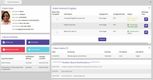
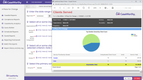
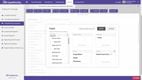
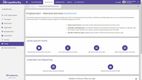
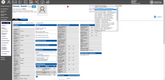
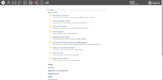
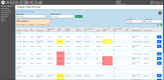
Community CareLink delivers a comprehensive feature set, allowing case managers to efficiently track client progress, manage tasks, and enhance communication. Tailored for diverse care delivery models, its customization meets each organization’s unique needs. Community CareLink helps improve care quality for vulnerable populations while reducing costs and streamlining operations.
This web-based application, accessible from any internet-enabled device, ensures timely updates and data accessibility, making it the top choice for care coordination and communication.
Bonterra Impact Management - Most User-Friendly
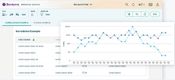
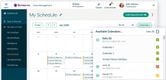
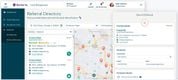
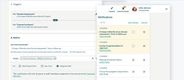
Bonterra Impact Management is a good solution for nonprofits and human services organizations seeking user-friendly case management software. Its intuitive interface and customizable features cater to the diverse needs of social service agencies, enhancing efficiency and data management.
Notable qualities include reporting tools and security measures, making it a reliable and adaptable solution in the philanthropic landscape. Formerly, Bonterra Case Management and Impact Management combined Apricot 360 and ETO with Social Solutions to form a navigable yet feature-rich platform.
LiveImpact - Best for Multi-Program Nonprofits
LiveImpact is an all-in-one case management system with built-in CRM, donor, and volunteer modules. This makes it a solid option for nonprofits with multiple programs. It features flexible forms that help streamline your workflows, data collection, and impact reporting. They’re customizable, so you can build them to match your exact needs while managing complex intake scenarios like family intake. It’s a great way to speed up processes for every program’s service requests and assessments.
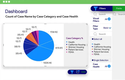
For multi-program organizations, reporting and impact measurement are crucial. LiveImpact makes this easier with real-time dashboards and outcome reporting, so leaders can track results and share funder-ready insights. This makes it so you don’t need to stitch together spreadsheets or export data from multiple systems.
LiveImpact is best for growing organizations that want to combine processes under one roof. Pricing starts at $200/month, billed annually, for the lowest Starter plan. If you need fundraising and unlimited forms, you’ll need the Pro plan at $350/month, billed annually.


Casebook - Best Communication Tools
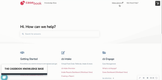
Casebook has built-in tools to help clients communicate with caseworkers through phone and email. The platform can help manage caseloads, service referrals, and external relationships. It allows users to create holistic person-centric profiles that display formal and informal relationships, track the continuum of care for clients, and manage internal and external communications.
With features like “cb Intake” and “cb Trac,” Casebook offers specialized applications for handling inquiries, referrals, critical incidents, and reports in a social service context and managing a person’s support network to provide a comprehensive view of care.
Sumac - Best Client Lifecycle Management
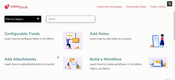
Sumac follows each client from intake to close with case plans that carry goals, tasks, and a next review date. Every case manager follows the same steps, and automated reminders appear on each worker’s dashboard when a review or follow-up is due, so nothing depends on anyone remembering.
Clients can start that lifecycle themselves. One online intake form for your website is included, and each submission automatically creates a client record. Caseworkers add notes from a phone via the Case Portal, and outcome reports by program are included in the base price.
Sumac Case Management starts at $179/month with room for 1,000 contact records. Implementation is required and quoted up front, and most organizations go live within 4 to 8 weeks. Live phone support and on-demand training are included.
Your real cost depends on add-ons: extra online forms, the Donations module for donor management, volunteer sign-ups, and more contact records all cost extra.


Notehouse - Most Affordable Pricing
Notehouse starts at $14/user/month with a free 2-week trial and offers a friendly and familiar interface, making it ideal for users of all tech levels. Standout features include narrative-based, easy-to-read notes, a collaborative platform for team sharing, customizable tag-based tracking for effortless analysis, and HIPAA-compliant, secure servers ensuring data privacy.
While it offers comprehensive note-taking capabilities, it may not have advanced features for specialized industries or extensive integration options with other software systems.


What is Nonprofit Case Management Software?
Nonprofit case management software, often described interchangeably as human services or social work case management software, streamlines case management processes, like creating programs, recording case notes, and organizing documentation.
Designed for nonprofit organizations, case management systems help social workers effectively deliver human services while complying with local or federal regulations.
Types of Organizations
There are many types of NPOs and human services organizations that can utilize case management software:
- Healthcare clinics (physical, mental, and behavioral health)
- Child, family, and senior services
- Housing/HUD (long-term, temporary, emergency)
- Community programs and education
- Employment services and vocational training
- Animal shelters and wellness centers
- Social Work
Whatever organization you operate, nonprofit case management and human services software can help you stay focused on the mission without falling behind on administrative tasks by manually performing data entry in spreadsheets. Some nonprofit customer relationship management (CRM) software includes case management functionality, though depending on your organization, a standalone social services software may better suit your workflow needs.

Key Features
- Client intake: Automate client intake processes to expedite the entry process into programs; use intake forms to ensure all relevant information is collected as early as possible
- Client management: Assign new clients to different caseworkers based on their demographics or preferences
- Task management: Use a real-time dashboard to prioritize your workload using customizable task attributes based on your specific day-to-day processes
- Scheduling: Carefully coordinate tasks for caseworkers and their clients to avoid incompatible schedules
- Automated notifications: Email or text reminders or notifications to workers when tasks are approaching
- Case notes: Take meticulous notes on every client interaction to build an accurate record of progress; share case notes between workers to keep track of potential changes
- Client portal: Allow clients to access helpful information about NPO programs or their specific cases from the convenience of their own home computers or mobile devices
- Goal tracking: Set specific goals for clients and measure progress as they move towards those goals
- Referral management: Use guidelines to indicate when clients should be referred to other programs or services; standardize referral notices
- Form templates: Build custom templates for different program documents, such as intake forms, to ensure you include all necessary information on each document
- Volunteer management: Recruit, track, and monitor potential volunteers for NPO programs
- Reporting and Analytics: Retain client information for future use or potential audits; analyze historical data from past programs to identify successes and areas for improvement

Challenges of Manual Management
- Data Entry Errors and Inconsistencies: Manual data entry can increase your risk of errors and missing information across records.
- Time Consumption: Paperwork, filing, and retrieving information take up a lot of time, leaving less time to focus on your clients.
- Lack of Real-Time Case Updates: Without a centralized database, you won’t have access to real-time updates, which could lead to delayed cases due to dependency on physical files.
- Compliance and Audit Risks: With manual paperwork, it can be harder to track audit case history, which could lead to an increased risk of non-compliance.
Primary Benefits
Implementing a case management system into the operations of nonprofit organizations and human service agencies can have many benefits.
Prioritize People
Many social service organizations intend to help people, improve lives, and build better communities. Yet, in order to receive funding, they need to prove progress by showing the growth of various metrics to government agencies or grant foundations. Reporting tools can show detailed historical data about your NPO, showing exactly how much progress each client has made through the program. These information systems can then be used for future grant applications to increase potential funding or shared with government agencies during audits.
One significant benefit of case management software is the ability to share case notes with others within your organization quickly. This can make arranging referrals or enrolling clients in new programs easier based on eligibility requirements. Client portals allow assessments to be performed before the first meetings, keeping you more informed of client data. By focusing your program management on the human element and spending less time on administrative tasks, your organization can learn how to best serve client and community needs.

Remain Compliant
A variety of social services can often interfere with a client’s right to privacy, particularly when it comes to physical or mental health concerns. For example, someone required to receive physical therapy will need to tell a boss or supervisor why they need time off to attend sessions, which could influence how they are perceived at their workplace. As such, many governments have set regulations to ensure those receiving assistance remain as private as possible. Help your NPO meet privacy standards, such as HIPAA-compliant in the United States, by utilizing case management software.
Donation management modules are also available through these solutions, helping you raise funds for additional services correctly. If your NPO is funded through grants, public funding, or government assistance, you can use case notes for official purposes in audits of past programs or to streamline new funding applications. No more scrambling around making last-minute proposals to funders when all the relevant data you need is kept in one user-friendly platform.
Reduce Schedule Conflicts
Time conflicts are one of the top reasons clients fall behind on helpful programs. For instance, someone who is working two jobs to afford housing likely doesn’t have much scheduling flexibility between two sets of bosses. Text and email alerts can keep clients in contact with your team to clear up potential conflicts and keep progress moving forward.
Nonprofits only have so many employees or volunteers at any given time, and it’s no secret that many are understaffed and underfunded. As a result, getting clients in for their appointments and programs can be incredibly challenging. Scheduling modules can create shared calendars so workers and employees can avoid overlapping appointments and ensure everyone is seen promptly, even when understaffed with limited availability.

How to Choose
The best system for your nonprofit is the one your caseworkers will actually use. Consider these 6 things while evaluating case management software:
- The programs you run: Every system does basic case management, so the real differences are in the program-specific tools. Shelters need bed tracking, rental assistance needs eligibility screening, and food pantries need distribution logs. List your programs first, then check which features each program needs. Make sure the software and plan you choose include the specialized features you require.
- Reporting: Donors, grant makers, and state auditors want to know what changed and where dollars went, not just how many people you served. Look at how the system tracks goals and progress, not only service counts. And check report limits, some plans cap the number of custom reports available.
- Staff adoption: Most failed rollouts aren’t a software problem; they’re staff going back to spreadsheets or their old method. Put two or three caseworkers in the trial and have them run real intakes for a week. Some write long notes; others want checkboxes. Ensure your staff will actually use the platform you purchase.
- Nonprofit fit: Plenty of tools with “case management” in the name were built for hospitals, law firms, or sales teams. Look for household relationships, program enrollment, and referral tracking. If what you actually need is donor management, you want a nonprofit CRM instead.
- Integrations: Case management rarely runs on its own. Check how the system connects to your accounting software, your donor database, and an electronic health record if you deliver clinical services. Ask what connects natively, what runs through an API, and what the vendor has to build for you. Anything custom incurs both costs and delays.
- Total cost of ownership: The per-user price is rarely the total number you pay. Per user minimums, portals, add-ons, and integrations ll are usually billed separately. A small team might pay for seats and features nobody logs into. Ensure that adopting a software will actually make work easier; some systems require an administrator that small and growing teams might not have the resources to manage properly.
Pricing Guide
The cost of nonprofit case management software ranges from $1,000 to over $100,000 per year.
| Tier | Org Size | Per User/Month | Total Cost (Annual) | Example Software |
|---|---|---|---|---|
| Low-Tier | 1–25 employees | $20 – $80 | $1,000 – $10,000 | Sumac, InfoFlo Impact, PlanStreet |
| Mid-Tier | 25–100 employees | $50 – $150 | $10,000 – $35,000 | CaseWorthy, Community CareLink, NewOrg |
| High-Tier | 100–500 employees | $100 – $250 | $35,000 – $100,000 | Salesforce Nonprofit Cloud, Bonterra |
| Enterprise | 500+ employees | $200 – $500+ | $100,000+ | Oracle Social Services Suite, Accenture Caser |
Pricing may also depend on how many records your organization has. The more you have, the higher you’ll pay. Scalable solutions can grow with your organization. In other cases, the cost comes down to add-on modules like SMS text messaging tools. As mentioned above, nonprofit CRM software can also include human service and case management tools, though these solutions cost significantly more and may not be affordable to smaller nonprofits.
Free Software
While some options are free, others charge a monthly or annual subscription rate. The free options are generally limited to new or small NPOs, though many service providers offer free demo trials so that users can experience the software before making a long-term commitment. Systems like InfoFlo Impact offer free trials for new users.