
The Best Supplier Relationship Management Software
We tested the top SRM systems on the market for various industries and business sizes, including manufacturing, life sciences, and tech companies.

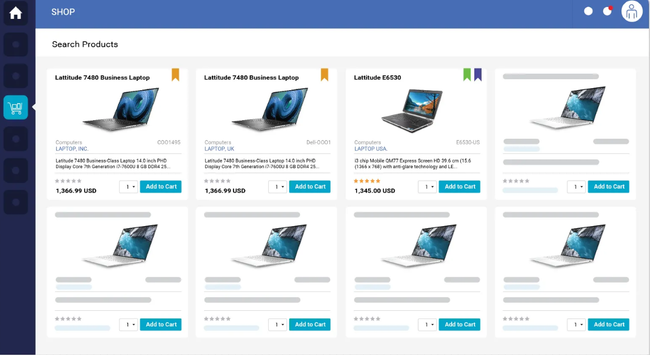
- Customizable platform to meet specific needs
- Expedites vendor processing tasks
- User-friendly and intuitive UI
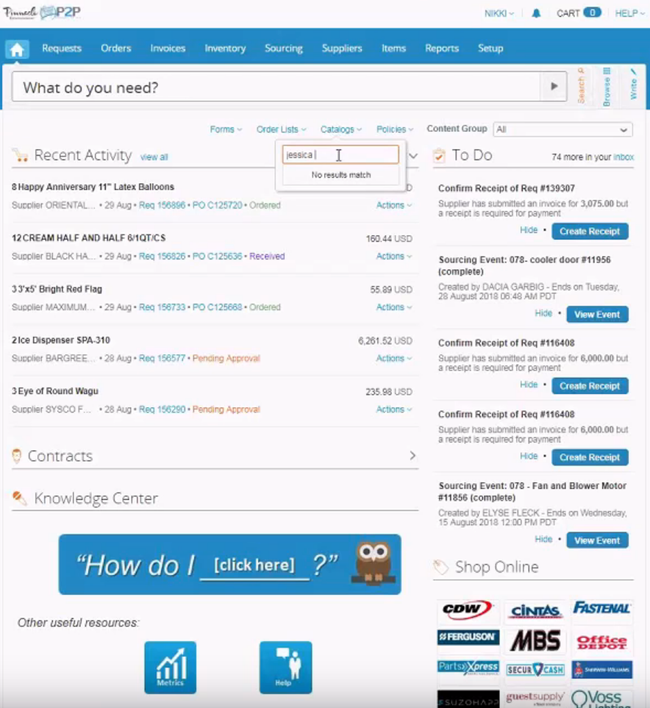
- Consolidated one-page checkout screen
- Auto-conversion of requisitions to emailed purchase orders
- Offers auditable record of all purchases
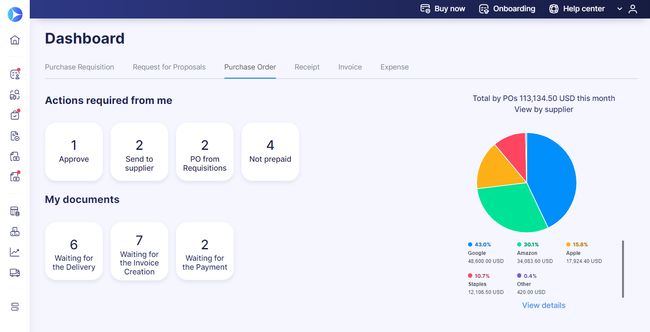
- Simple and straightforward pricing
- Both punchout and Punch-In catalogs
- Integrations for the top accounting systems e.g. QuickBooks Online, NetSuite, Xero
Supplier relationship management (SRM) software helps procurement teams centralize supplier data, track performance, monitor risk, and manage the full supplier lifecycle from onboarding through offboarding. The right system depends heavily on your industry, company size, and ERP stack. Using our review methodology, we picked the top SRM platforms on the market and matched each one to the industry where it fits best.
- Ivalua: Best for Manufacturing
- Coupa: Best for Tech Companies
- Precoro: Best for Growing Businesses
- SAP Ariba: Best for Oil, Gas & Chemicals
- JAGGAER: Best for Life Sciences
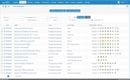
Ivalua - Best for Manufacturing
Ivalua has a really strong direct materials sourcing module for manufacturers. It can handle the complexity of BOM sourcing, where a single product might involve hundreds of components sourced from dozens of suppliers across multiple tiers. You can link supplier records directly to part numbers and manage should-cost modeling to make more data-driven decisions. This way, no matter how complex your BOMs are, you can optimize material costs.
Additionally, Ivalua has 360-degree supplier profiles. These consolidate qualifications, certifications (IATF 16949, ISO 9001, AS9100), and risk signals into one record. Because when a supplier starts becoming more of a risk, it can have a big impact on the production line if they can’t get materials in on time. It even supports new product introduction workflows, so your entire team can collaborate on supplier selection before parts go into production.
The tradeoff with Ivalua is complexity. It’s built for large to enterprise-level manufacturers that manage advanced production lines. So while it’s very customizable, implementations are longer than average and typically require a systems integrator. Pricing is quote-based, depending on your company’s size and what features you need, but it’s on the high end of the market.
Coupa - Best for Tech Companies
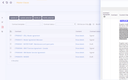
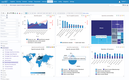
Coupa offers a unified Business Spend Management (BSM) platform for tech companies. It combines supplier management, contracts, sourcing, and payments on a single system. This is a must for tech companies, which typically run lean procurement and finance teams, often just a handful of people supporting hundreds of SaaS tools, contractors, and service vendors. Integrating everything into one platform helps manage the workload, instead of having five separate systems.
Coupa’s third-party risk and supplier information management module is particularly useful for managing a large number of vendors. New SaaS tools get signed up constantly, often by department heads outside of procurement. Coupa lets you set risk-based intake rules, helping new vendors handle sensitive data, route through security and legal previews. The onboarding process captures items such as SOC 2 reports, DPAs, and insurance certifications.
The overall BSM platform integrates with NetSuite and Workday, among other ERPs, which helps speed up deployment. Coupa’s pricing is quote-based, depending on the complexity of your implementation and company size. Still, expect to pay mid-to-high five figures annually, plus supplier network fees, which is a common pain point for small vendors.

Precoro - Best for Growing Businesses
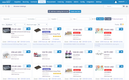
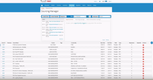
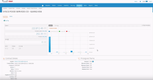
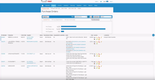
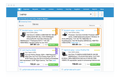
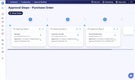
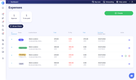
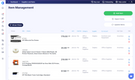
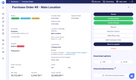
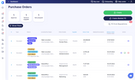
Precoro is the most approachable option on this list. The centralized supplier database is a great tool for small to midsize companies. Instead of tracking suppliers in spreadsheets or scattered email threads, the system gives you a single record per vendor. You can also tie suppliers to budgets and departments in workflows, so rogue spend is flagged before POs are sent.
Another great aspect of Precoro is implementation and ease of use. Implementation usually takes just a few weeks, which is much faster than enterprise SRM rollouts that run 6 to 18 months. It also offers native integrations with QuickBooks Online, NetSuite, Sage Intacct, and more, so you don’t need a systems integrator to connect your accounting.
Precoro is also one of the more affordable options out there for small to midsize businesses. Pricing starts at $499/month for the core plan, with the full procure-to-pay system starting at $999/month. So if you want to automate your supplier relationship management workflows without the enterprise-level complexity and overhead, this is a solid option.
SAP Ariba - Best for Oil, Gas & Chemicals
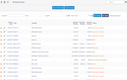
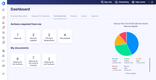
SAP Ariba’s “SAP Business Network” is the largest B2B supplier network in the world, with over 6 million connected suppliers. This is valuable for oil, gas, and chemical companies where supplier bases are massive, global, and heavily regulated. Most of the companies that drillers, refiners, and chemical producers work with are already on the Business Network, reducing onboarding friction.
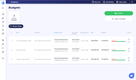
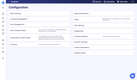
Ariba’s supplier lifecycle and performance (SLP) module handles prequalification, segmentation, performance scorecards, and risk monitoring. Contractor management is also crucial for companies that depend heavily on contractors for drilling and field services. And to ensure compliance, it includes HSE and safety workflows during onboarding. Plus, Ariba integrates directly with SAP Cloud ERP, which is what most major companies use as their backbone system.
However, the common complaints are well documented. The UI feels dated compared to Coupa or Ivalua, implementations are long and expensive, and suppliers regularly push back on Ariba Network transaction fees. But for an ERP-centric oil, gas, and chemical company, the integration advantage usually outweighs the friction.
JAGGAER - Best for Life Sciences
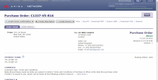
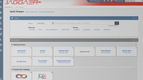
JAGGAER has a great scientific catalog for life science companies. Hosted catalogs live inside the system, with supplier product data taken in, normalized, and made searchable alongside other supplier offerings. That way, researchers can comparison-shop supplies across multiple companies in one search. It also includes punchout catalogs, which redirect users to the vendor’s own eCommerce site. Then, you can bring the cart back into JAGGAER for approvals and creating POs.
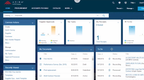
Additionally, JAGGAER comes with thousands of pre-configured supplier connections, heavily weighted toward scientific and lab vendors. Major ones like Thermo Fisher are integrated out of the box, which shortens the time-to-value. Within the catalogs, lab products have attributes that generic ones don’t handle well. These include CAS numbers, molecular formulations, and lot and expiration tracking. That way, you can search and filter against these so you can find exactly what you’re looking for.
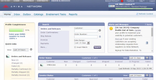
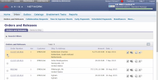
However, JAGGAER’s interface is a bit dated compared to more modern products. The screens are information-dense, and it takes a lot of clicks to navigate through modules. It’s best for large life science companies that need an integrated supplier management and procure-to-pay system. Pricing requires a custom quote that depends on what modules you need.
What is Supplier Relationship Management (SRM) Software?
Supplier relationship management (SRM) software helps companies manage their interactions with suppliers across the full procurement lifecycle, from onboarding and qualification through performance tracking, risk monitoring, and contract renewal. Instead of tracking vendor data in spreadsheets, contracts in shared drives, and certifications in email threads, SRM consolidates everything into a single system of record for every supplier you work with.
SRM is commonly bundled inside broader source-to-pay (S2P) or procure-to-pay (P2P) suites alongside sourcing, procurement, and AP automation modules. Some buyers want the full suite from one vendor; others prefer a best-of-breed SRM tool that integrates with their existing ERP and procurement stack.
Note: SRM software is sometimes called vendor management software, which is different from a vendor management system (VMS). A VMS is built specifically for managing contingent workforces, staffing agencies, and contractor labor, not your broader supplier base.
Key Features
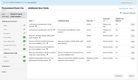
- Supplier Information Management: Centralize all supplier data in one record, including contact info, tax and banking details, certifications (ISO, IATF, AS9100), insurance documents, diversity status, and W-9s. Track document expiration dates and trigger automatic renewal requests before certifications lapse.
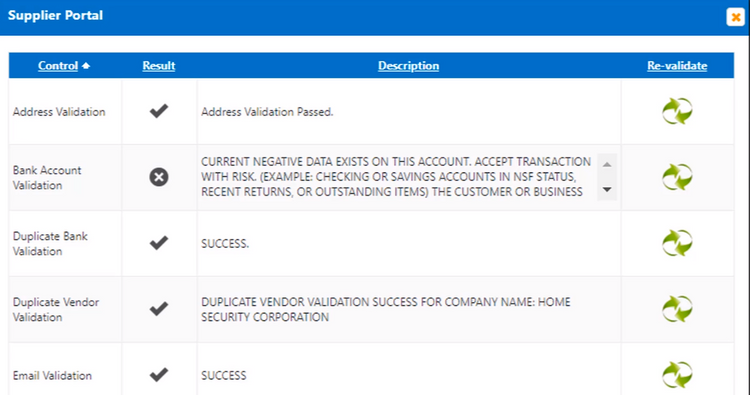
- Supplier Onboarding & Qualification: Run structured workflows to collect required documents, validate tax and banking info, score suppliers against qualification criteria, and route approvals through procurement, legal, security, and finance before a new vendor can transact.
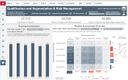
- Performance Analytics & Scorecards: Track supplier KPIs like on-time delivery, defect rate, fill rate, lead time, and pricing variance. Build scorecards that compare suppliers against benchmarks and trigger formal reviews when performance slips below thresholds.
- Supplier Risk Management: Monitor financial health, cybersecurity posture, ESG and sustainability scores, geopolitical exposure, and regulatory compliance. Many platforms pull in third-party risk data from sources like Dun & Bradstreet, RapidRatings, or EcoVadis to surface issues before they disrupt the supply chain.
- Supplier Segmentation: Classify suppliers as strategic, preferred, transactional, or tail based on spend, risk, and business criticality. Focus relationship-building and category management efforts on the suppliers that actually move the P&L.
- Supplier Portal / Self-Service: Give suppliers a login to update their own information, upload certifications, view purchase orders, submit invoices, and respond to RFQs. Reduces back-and-forth email and keeps supplier data current without manual entry from your team.
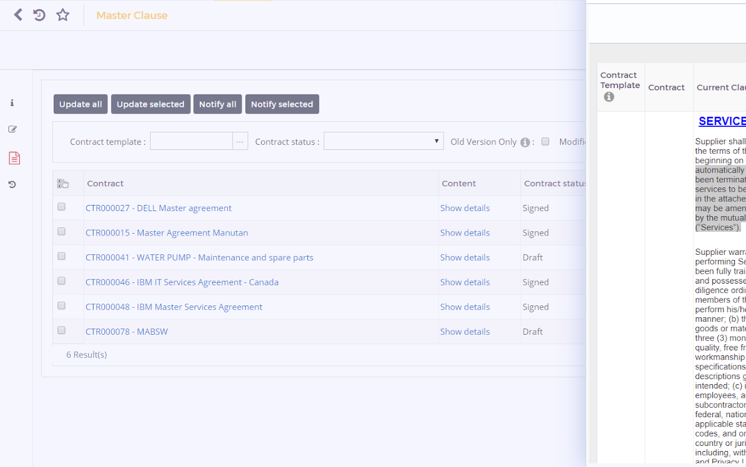
- Contract Lifecycle Management: Store master agreements, NDAs, SOWs, and amendments in a central repository. Track renewal dates, pricing terms, SLA commitments, and auto-renew clauses so contracts don’t lapse or auto-renew on unfavorable terms.
- Audit & Compliance Tracking: Schedule and document supplier audits, manage corrective and preventive actions (CAPAs), track regulatory requirements, and maintain audit trails for inspectors. Especially important for regulated industries like life sciences, food and beverage, aerospace, and automotive.
Primary Benefits
There are several benefits to using an SRM software:
Organize Contact Information in One Place
An online contact management system doesn’t run out of storage space the way a Rolodex does. You can add as many suppliers as you want with as much information as you need to stay organized.
With all your company contacts in one place, the data is accessible to everyone who needs it. If the main contact goes on vacation or retires, you can log into the system and access information while they’re away. No digging through desk drawers trying to find a phone number!
Cloud-based SRM offers another benefit: information anywhere! When you attend trade shows or conferences, you can add new prospects to your supplier relationship management system from your phone or tablet. There’s no need to hold on to dozens of easy-to-lose business cards for the duration of your trip. Just enter new leads into the system and start communicating.
Receive Follow-Up Reminders and Notifications
One of the crucial elements of any relationship is timely communication follow-up. The supply chain schedule is delicate, and your late communication can cause delays for all your supplier partners. A physical calendar can help, but it quickly fills up if you have a lot of appointments.
Set automated reminders for both emails, phone calls, and in-person meetings with SRM systems. Then you don’t have to worry about missing those important follow-ups anymore. And you can save your calendar for noting final deadlines.
Supplier Performance Metrics
Good supply chain management means knowing which of your current supplier partners are providing the best benefits to your business. When it’s time to evaluate your supplier relations, you’ll need an analytics tool to measure performance. Use your SRM program to monitor KPIs of your vendors. You can see who is offering you the best ROI so you can adjust your supplier needs for the upcoming year. This strategic sourcing can result in lots of cost savings in the long run.
Procurement software lets you track key vendor information in real time. Get up-to-date orders with purchase quantities, delivery timeframes, payment terms, and overall costs.
Consistent Communication Language
The language you use to communicate with suppliers is important. You may think your phrasing doesn’t matter, but using the wrong terminology can lead to costly miscommunications. SRM software tools can reduce those mistakes by providing template scripts for all outgoing communications, or even through generative AI.
For example, you may speak casually on the phone with a supplier about lowering costs. You decide to ask if there are “any discounts” available, although what you want is a permanently lower rate. On their end, they genuinely think you’re asking for a one-time discount. You get a reduced rate on your next purchase order, and you then adjust your budget to match what you assume is a permanently lower rate. When the next PO rolls around, you’re left struggling to pay the original rate. By sticking to a script, you can stay in control of your phone calls and avoid incidents.
Having a set script or template also makes it easier for new and temp workers to understand your business. By following a set form of communication, they can get started working with suppliers right away without onboarding.
Pricing Guide
- SMB & Mid-Market ($6,000 to $50,000/year) Lightweight platforms aimed at companies graduating from spreadsheets. Pricing is usually per-user or tier-based on transaction volume. Implementation runs 2 to 6 weeks, often self-service. Examples: Precoro (starts at $499/month), Tradogram, Procurify, Pipefy. Best for companies with 50 to 500 employees and straightforward indirect procurement needs.
- High Tier ($50,000 to $250,000/year) Mid-market suites or single-module deployments of enterprise platforms. Typically priced on a combination of users, suppliers under management, and modules selected. Implementation runs 3 to 6 months, often with a systems integrator. Examples: scaled-down Coupa or Ivalua deployments, JAGGAER single-module, GEP for mid-market.
- Enterprise ($250,000 to $2M+/year) Full source-to-pay or SRM suites for large global companies. Pricing is custom and typically driven by spend under management (a percentage of total managed spend), module count, and number of supplier connections. Implementation runs 6 to 18 months and almost always requires a systems integrator. Examples: SAP Ariba, Coupa, Ivalua, JAGGAER full suite. Best for Fortune 1000 companies managing thousands of suppliers across global operations.
Common Challenges
These are some of the main supplier relationship problems encountered by businesses:
Missing Follow-Up Deadlines
When a supplier asks for a follow-up phone call or email, they expect it in a timely manner. If you don’t respond within their timeline, they’ll think you forgot about them or don’t care about their business. SRM software provides reminder notifications so you don’t miss those important follow-ups.
Disorganized Personal Organizers
Say it’s time for one of your top sales agents to retire. On their last day, they leave behind their Rolodex and a file cabinet full of index cards. It turns out they used their own organizing system for the last twenty years, and you don’t have a clue how it works.
Organizing everything they left behind can be a waste of valuable time. And if you don’t know which suppliers you’re supposed to follow up with next, you could damage relationships that were years in the making.
An SRM software provides one digital space for all your company’s supplier contacts. It is far easier to have your team input all their data into an online system than to have to go through decades of notecards every time someone leaves or retires.
Supplier Miscommunications
Finally, any miscommunication with a supplier can lead to costly, time-consuming mistakes. Do you need to cancel a shipment this month? Do you have a new facility with a different delivery address from your usual location? Are you changing your invoice system? There’s no way for your suppliers to know these small details about your company.