
The Best Donor Management Software
Donor management software helps nonprofits and charities streamline their fundraising and administrative tasks. We tested various platforms based on how well they manage donor databases, track donations and campaigns, and process payments.

- No extra fees for support or training
- Unlimited users included with subscription
- Every plan includes every feature
- Easy to customize
- Strong training and support
- Membership management included in CRM
- Keeps member and giving records organized
- Responsive customer service team
- Includes financial reporting tools
We’ve compiled a list of the top donor software from our independent research and review process to help you find the best fit for your organization:
- DonorSnap: Best Donor Database Management
- Bloomerang: Best for Membership Nonprofits
- Servant Keeper: Best for Churches
- Donorbox: Best Free Option
- Blackbaud Raiser’s Edge NXT: Best All-in-One Platform
- Little Green Light: Most Flexible Pricing
- Neon CRM: Best CRM Tools
- Bonterra Fundraising & Engagement: Best for Omni-Channel Marketing
- DonorPerfect: Best Customization Options
- GiveSmart: Best for Fundraising Events and Auctions
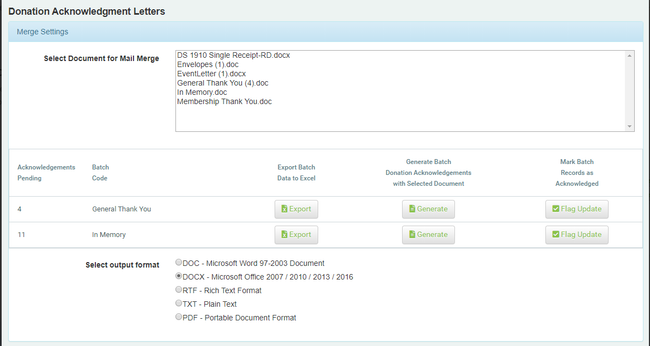
DonorSnap - Best Donor Database Management
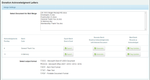
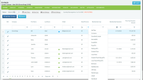
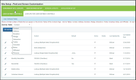
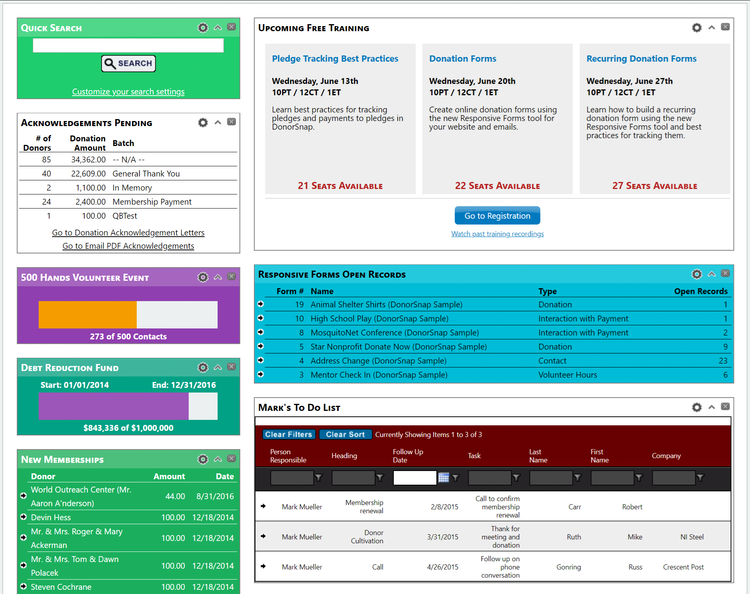
Managing donor information from spreadsheets can lead to inefficiencies and inconsistencies. DonorSnap’s database management can help streamline and enhance this process by consolidating all donor-related data into a single, accessible location, facilitating efficient tracking, reporting, and communication.
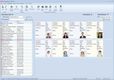
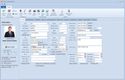
DonorSnap centralizes all donor information, including contact details, donation history, and communication preferences. Using these advanced reporting tools, you can identify donors who typically attend fundraising events who are more likely to participate in future fundraisers.
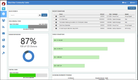
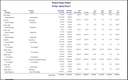
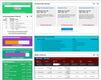
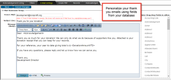
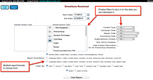
The software allows for extensive customization that makes it stand out from its competitors. This enables you to tailor the system to your specific needs. You can create custom fields and forms ensuring that the database aligns with your unique requirements. The system also has strong reporting capabilities that enable you to generate detailed reports on donor activity, campaign performance, and fundraising progress, providing you with valuable insights to inform your strategies.
The system integrates with QuickBooks, so you can streamline financial tracking to ensure you have accurate and up-to-date records. This integration allows you to focus more on your mission and less on administrative tasks, enhancing your ability to serve your community effectively.
However, DonorSnap’s pricing increases as you add more contacts. The beginner price is $50/month for up to 1,000 contacts. Then, it increases to $70/month for up to 2,500 contacts.
Bloomerang - Best for Membership Nonprofits
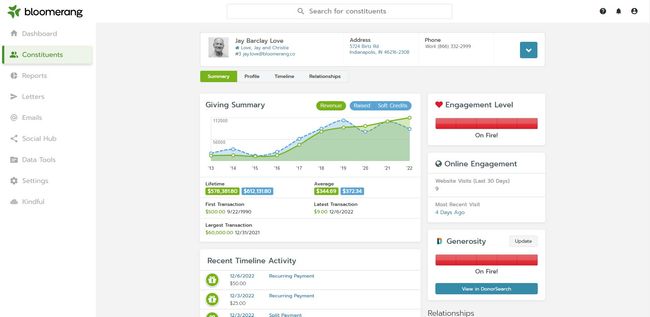
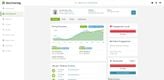
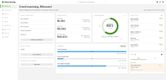
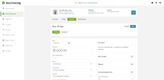
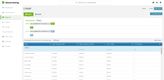
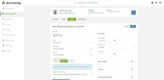
Bloomerang is a donor management and fundraising platform designed for small and mid-sized nonprofits. It includes core CRM features such as email campaigns and membership management with multiple program levels, and bundles with Bloomerang Fundraising for online giving forms.
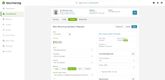
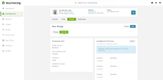
What sets Bloomerang apart is its dedicated membership management functionality. It is especially valuable for membership-based nonprofits like alumni networks, professional associations, and community clubs. It lets nonprofits create custom membership levels, manage dues, and automatically process renewals. Membership data connects directly to donor profiles, making it easy to send personalized communications and generate reports based on membership tier or status (such as active or unpaid).
The core Bloomerang platform starts at $125 per month and includes unlimited users and membership management. Bloomerang is best suited for organizations with two to 200 employees, offering user-friendly fundraising and membership management functionality.


Servant Keeper - Best for Churches
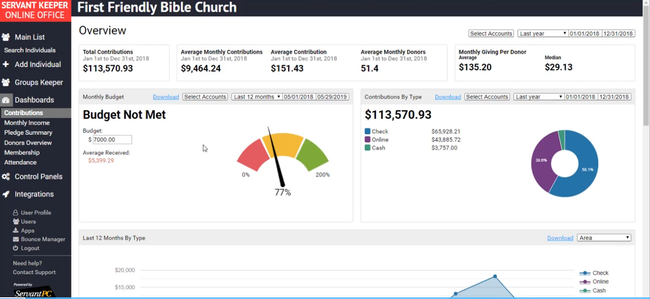
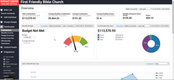
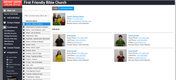
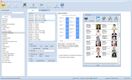
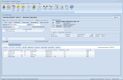
Servant Keeper’s donor management system sits in its contribution tracking and online giving experience. Because it embeds giving directly into the broader church management environment, donations flow seamlessly into the same member profiles that log service areas, attendance, family relationships, and communication histories.
Servant Keeper supports secure giving through member-preferred channels, like mobile app, phone, online, or text. They can easily schedule recurring gifts, choose where to apply their donations, and view their own contribution records. This gives your admin instant visibility into giving through dashboards and reports tailored for ministry use.
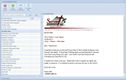
Because the donor database software provides automated acknowledgment, you can reduce follow-up work and express gratitude promptly and consistently. Contribution entry and lookup tools make it easy to review individual and aggregate giving, and you can customize reporting templates and metrics as needed. Starting at $79.99/month Servant Keeper integrates with QuickBooks and can export contribution batches to other accounting programs, cutting down on your administrative burden.
Note: Additional church accounting software options are available for faith-based organizations.
Donorbox - Best Free Option
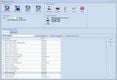
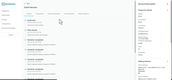
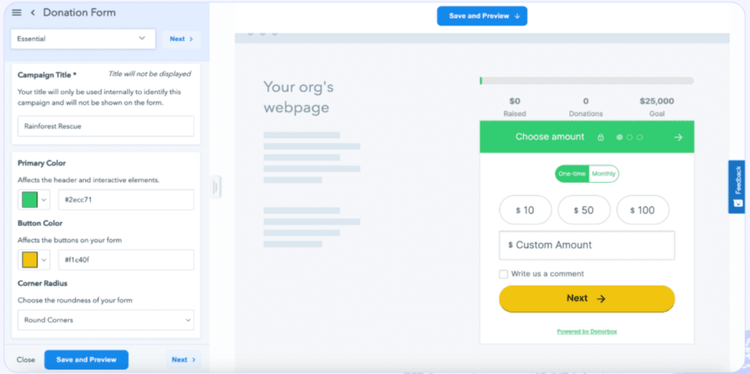
Donorbox is free for nonprofits, though there is a 2.95-3.95% platform fee per transaction. With this fundraising tool, you can collect payments through an online donation form embedded on your website or via a popup widget. Donors can choose from various payment methods, including credit cards, PayPal, ACH Transfers, Apple Pay, and Google Pay.
We found its QuickDonate tool worth mentioning. When someone makes their first contribution to you via Donorbox, they can opt-in for QuickDonate. This allows Donorbox to save their payment details securely. From there, they can make recurring contributions simply by logging into their account. This lets them skip the hassle of filling out a new form every time; they even have the option to repeat their previous gift or modify the amount.
From there, Donorbox processes the donation instantly. Every gift triggers an instant thank-you email and automatic tax receipt, which reduces administrative work on your end. If a recurring payment fails, Donorbox automatically retries the charge twice, two days apart, and donors have 10 days to update their card before the gift lapses. Overall, this makes giving easier for donors, which can help with retention. It’s a pretty solid tool, and it’s included in the free plan.
Pro is $150/month (1.75-2% platform fee), and Premium is quote-only. On every plan, Stripe and PayPal charge their own payment processing fees on top of Donorbox’s platform fee, so be sure to factor that into your budget.


Blackbaud Raiser’s Edge NXT - Best All-in-One Platform
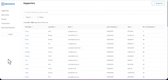
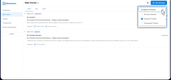
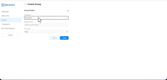
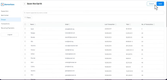
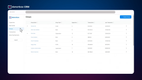
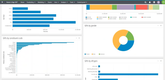
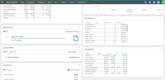
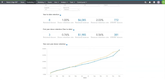
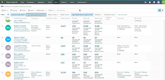
Blackbaud Raiser’s Edge NXT is a powerful fundraising platform built for mid-sized and growing nonprofits. It combines donor management, campaign tracking, and wealth screening into a single platform for organizations like schools, healthcare organizations, foundations, and arts or cultural communities.
The system is ideal for nonprofits that need more than just a donor database. Its fundraising and donor platform connects with other Blackbaud nonprofit tools like volunteer management, grant tracking, and fund accounting through its integration with Financial Edge. Unlike other systems like Donorbox which only offer CRM and donation management tools, Blackbaud stands out as the one stop shop for nonprofits.
Pricing for Blackbaud Raiser’s Edge is available upon request based on your organization’s requirements and donor size. Generally, because of its wide feature breadth, pricing tends to reflect more of a mid-market and enterprise-level investment with complex requirements.
Little Green Light - Most Flexible Pricing
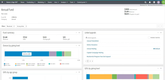
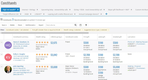
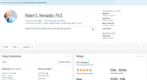
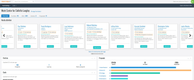
Little Green Light is a donor and customer relationship management solution. To meet the low operating costs of NPOs, the monthly subscription plans are based on the total number of constituents, allowing organizations to scale their usage as they grow. It starts at $45/month for up to 2,500 constituents and reaches its highest tier at $135/month for 50,000 constituents. Beyond that, each additional 10,000 constituents adds $15/month.
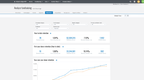
Custom report generation allows organizations to tailor their reporting needs, while the Flex Importer feature simplifies data imports, making it versatile for various data sources. Little Green Light’s integration with essential web-based services such as PayPal, Wufoo, MailChimp, and Constant Contact enhances its utility for nonprofit operations.
Pricing by record count also means the smallest account gets the same toolset as the largest. At $45/month, a 2,500-constituent organization can still use membership management with renewal tracking, volunteer hour logging, event tracking for invitees and attendees, and grant proposal tracking, with unlimited users and no setup or cancellation fees.
Small development offices won’t hit an upgrade prompt the first time your board asks for a membership renewal report or a volunteer-hours summary for a grant application. The tradeoff is that cost grows with list size, not usage, so an organization carrying thousands of lapsed or one-time donors pays to store records it rarely touches. It’s worth archiving inactive contacts before you import.


Neon CRM - Best CRM Tools
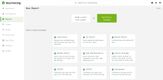
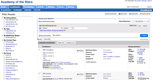
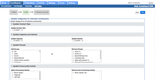
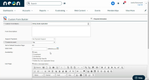
Neon CRM is a CRM that can also function as nonprofit donor management software. Workflow automation and smart deduplication, which can significantly reduce manual data entry and maintenance, allow organizations to allocate more time and resources to their core mission.
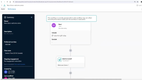
Workflow automation is beneficial for a small development team. You pick a trigger, such as a first-time gift, an expiring membership, a lapsed donor, or an expiring payment card. Then you attach several actions to it: send an email or text, tag the record, update a field, and assign a follow-up task to a staff member. Timed delays and if/then branching let the path change based on the gift. For example, a $50 first-time donor could get a welcome email series, while a $1,000 first gift also creates a call task for your executive director. None of it requires code.
Pricing starts at $99/month and is based on your organization’s total revenue rather than record count, so a growing donor list won’t push you into a higher tier. Memberships (+10%), Events (+20%), and Volunteers (+10%) are add-ons priced as a percentage of your CRM subscription. Factor those in if you need all three.
Bonterra Fundraising & Engagement - Best for Omni-Channel Marketing
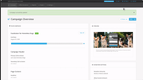
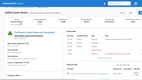
Bonterra Fundraising and Engagement is a group of fundraising and donor management products sized to different stages of a nonprofit’s growth. Network for Good is built for small nonprofits, typically under 5,000 contacts, and EveryAction serves mid-market and enterprise organizations. The suite also includes DonorDrive for peer-to-peer campaigns, OneCause for events and auctions, Mobilize for volunteer management, and GiveGab for giving days.
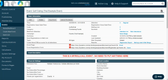
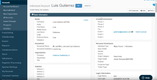
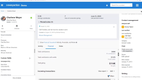
The omni-channel tools center on Network for Good and EveryAction. In both, email, text messaging, and online giving pages share the same donor records, so one campaign can move across channels without exporting lists to separate tools. Network for Good includes unlimited SMS for text-to-give and event reminders. EveryAction adds email A/B testing, broadcast and automated texts, and advocacy tools like petitions and click-to-call. It logs every email, text, gift, and action to one unified contact record. That helps organizations running both fundraising and advocacy, because you can see whether the supporter who signed last month’s petition has ever given.
Bonterra Que, the AI assistant embedded into Network for Good and EveryAction, can build donor segments, draft emails, and create giving pages. Network for Good pairs it with coaching resources for smaller teams. EveryAction positions it as strategic guidance for larger programs. Pricing isn’t published for any of the products and requires a consult call. Bonterra sells them as separate products, so confirm which one a quote covers before you compare it with other picks on this list.
DonorPerfect - Best Customization Options
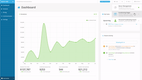
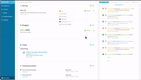
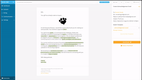
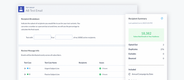
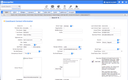
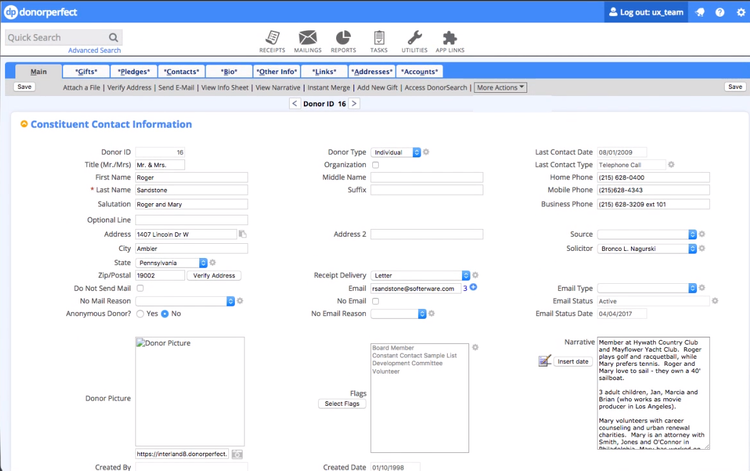
DonorPerfect lets you shape donor records around the data your organization actually tracks. Its Screen Designer lets you add as many custom fields as you need, in formats like drop-downs, multiple-choice, yes/no, and open text. You can then group those fields into custom sections, make certain ones required, and hide fields you only want to see in reports.
The more useful piece is SmartScreens, which changes the entry screen based on what’s already in the record. You set a trigger, such as a gift date, a checkbox, or a campaign solicitation code. The screen can then hide irrelevant fields, make others required, reorder tabs, rename field prompts, or show a pop-up alert. That keeps data consistent when several staff members enter gifts, which pays off once you start building reports from those fields.
The tradeoff is effort. Reviewers like being able to design screens around their own workflow, but many describe the custom report builder as complex and the interface as dated, so plan for training time. Pricing starts at $99/month across three tiers: Core, Plus, and Pro. QuickBooks integration, batch gift entry, and automated alerts and tasks start at Plus. Phone support, enterprise reports, and API access are reserved for Pro. DonorPerfect doesn’t publish prices for each tier, so you’ll need a quote.
GiveSmart - Best for Fundraising Events and Auctions
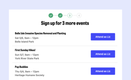
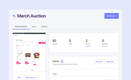
GiveSmart runs the gala side of fundraising: mobile bidding, silent and live auctions, ticketing with seating assignments, and contactless check-in. It earns a spot here less for its donor database than for what it does with the data an event generates.
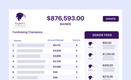
Most nonprofits run events on one platform and keep donor records on another, which means somebody spends the week after the gala exporting bidder lists and pasting them into the CRM. GiveSmart keeps both in one donor management system. Attendance, bid history, and ticket purchases land on the donor profile alongside regular giving, and the Donor Portal lets supporters pull their own receipts and giving history without emailing your development office.
The tradeoff is that GiveSmart is an event platform with donor tracking attached, not a donor database with events attached. If year-round moves management, segmentation depth, or major gift pipeline tracking is the priority, the systems higher on this list do more. Additionally, display customization is limited, and users report occasional glitches entering auction items and uploading photos.



What is Donor Management Software?
Donor management software is a nonprofit software that helps organize donor data, track giving history, manage communication, and improve fundraising outcomes. At its core, it functions like a nonprofit CRM, centralizing every interaction and donation in one place to strengthen relationships and retain support.
With a donor management system, nonprofits can:
- Track donations and giving trends over time
- Segment donors by campaigns, gift size, or engagement history
- Automate thank-you emails, tax receipts, and follow-ups
- Run reports to measure fundraising performance and donor retention
Modern systems often integrate with online donation tools, accounting software, and email platforms, enabling nonprofits to automate manual data entry and focus more on raising funds. Whether you’re launching a capital campaign or managing year-end giving, donor software provides the visibility and control needed to improve fundraising effectiveness and reduce administrative burden.
Key Features
| Feature | Description |
|---|---|
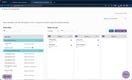
| Customizable Donor Profiles | Create any custom field of information you feel would be beneficial to track, such as contact information, gift sizes, date of last gift, campaigns contributed to, payment methods, recent communication efforts, and more. |
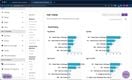
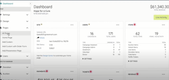
| Dashboard Views | Gain a complete overview of your data that will show ongoing trends on donation pages and allow for better decision-making in future campaigns. |
| Prospect Research Integrations | Import prospect lists and turn them into internal data in your donor management program. This will help identify areas to target and prospects that need to be worked on. |
| Matching Gift Searches | Cross-check a donor’s place of employment to identify any employment gift matching opportunities. |
| Mailing Lists Management | Create a direct mail campaign or an email campaign by utilizing donor information, which can encourage crowdfunding and peer-to-peer fundraising efforts. |
| Document Management | Share documents with your team regarding specific donations, contribution campaigns, or specific trends that may be noticed over time. |
| Online Fundraising | Link a donation page with your company website to accept pledges and donations online. Additional capabilities include allowing donors to register for fundraising events and send reminders about upcoming events. |
Key Benefits
Here are some key benefits donor management software offers its users:
- Comprehensive contact management: Acting like a customer relationship management (CRM) solution, donor management software allows NPOs to manage all donor contact records to ensure information is complete and up to date. Data from numerous spreadsheet or database sources can be imported and combined by reporting tools, making it easy to remove or merge duplicate entries, search names and addresses, and more. Nonprofit CRM can also directly link individuals, highlighting their relationships and affiliations.
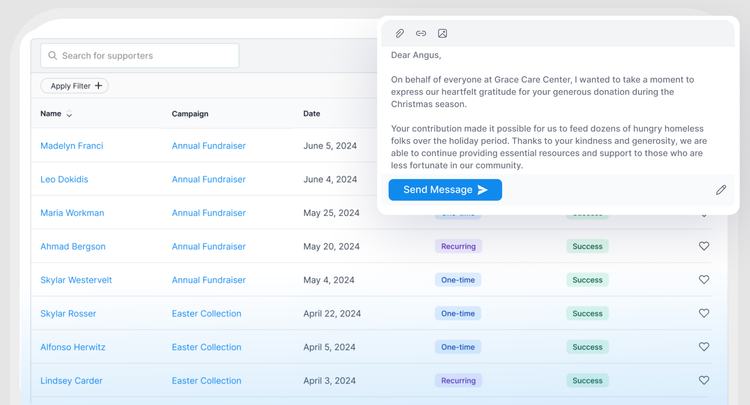
- Better donor communication: Donor management software can turn your donor database into a full communications platform. Email integrations with popular solutions like Constant Contact send acknowledgment letters in batches, distribute contribution statements, and share online fundraising campaigns. Messaging capabilities also make it possible to import data from Excel, generate mailing labels, mail merge letters, and fix duplicate entries.
- Improved donor analysis: Use complex logic queries to get the most out of any donor database. NPO software can identify metrics like donation history to improve outreach.
- Easy form creation: Whether it’s to gather contact information, recruit volunteers, or solicit and receive donations, donor management software lets NPOs easily create responsive web forms from templates that can be shared through email and social media links.
- Tracking, allocating, and managing volunteer work hours: Many NPOs depend on the generosity of volunteers to help carry out administrative and fundraising tasks. Donor management software helps volunteer workers perform their tasks.
- Increased accuracy: Create a centralized hub for all donor-related activities. Any separate databases, spreadsheets, address books, and payment systems can be linked into one common system to track donors. Doing so can greatly improve accuracy and transparency throughout the donation process, reducing human error.
Price Guide
Donor management software ranges from $40 per month up to $1,500 per month, depending on the number of donor records, feature depth, and support level. While some tools keep costs low with stripped down CRMs or freemium plans for smaller organizations, others scale into powerful multi-channel fundraising platforms with advanced features and automations.
Below is an overview of common pricing for donor management software:
| Plan Type | Best For | Annual Cost | Features Included |
|---|---|---|---|
| Starter (up to 2,500 donors) | New or small nonprofits | $500 – $3,500 | Core donor CRM, basic online forms, limited reporting, email acknowledgments |
| Growing (2,500 – 10,000 donors) | Expanding nonprofits with staff | $3,500 – $10,000 | Full donor CRM, volunteer/event tracking, integrations, multichannel communication |
| Advanced (10,000 – 50,000 donors) | Mature nonprofits running campaigns | $10,000 – $25,000 | Automation, P2P fundraising, segmentation, customizable dashboards, advanced analytics |
| Enterprise (50,000+ donors) | Large or multi-department orgs | $30,000+ | Custom workflows, enterprise integrations, API access, multi-site support |
Is There Free Donor Management Software?
Yes, there are several programs that offer free tiers or trials, but they come with trade-offs. Most free plans limit donor records and exclude advanced automations or include high platform fees for payment processing.
For example:
- Donorbox offers a free Standard plan with no monthly fee, but it takes a 2.95–3.95% platform fee on each gift, plus Stripe or PayPal processing fees.
- Little Green Light offers low-cost entry plans but scales in price as record count increases.
What Are the Current Market Trends?
-
The donor file is shrinking while dollars grow: Donor counts fell 0.8% year over year in Q1 2026 while dollars raised rose 4.3%, and sector retention sits at 18% according to the AFP Fundraising Effectiveness Project. Revenue is concentrating in fewer, larger gifts, which puts more weight on segmentation and relationship tracking than on raw transaction volume.
-
Lost government funding is forcing nonprofits into individual giving: In the first four to six months of 2025, a third of nonprofits reported at least one government funding disruption, according to the Urban Institute. That included 21% losing funding outright, 27% facing delays or freezes, and 6% receiving stop work orders. Grant-dependent organizations that need to replace that revenue with individual gifts will need a donor database to track and grow those relationships.
-
Recurring giving is where the growth is: Monthly gifts made up 27% of online revenue in 2025. Seventy-one percent of new monthly sustainers were still giving after a year, while only 24% of new one-time donors gave again (M+R Benchmarks 2026). Buyers are starting to evaluate donor management software on failed-payment recovery and card updater tools, not just gift entry.
-
Free and donor-covered pricing is real competition now: Freemium and donationware is the fastest-growing revenue model in the category at 8.72% CAGR according to a Mordor Intelligence report. Zeffy charges nothing and relies on optional donor tips, Givebutter’s core platform is free when tips are enabled, and Donorbox’s Standard plan is $0 with a platform fee on each gift, so paid platforms increasingly have to justify the subscription on depth rather than access.
-
AI features are outrunning data quality: According to a 2026 report by Virtuous, 92% of nonprofits use AI in some capacity, but only 7% report major improvements in their ability to achieve their mission, and 81% use it ad hoc with no documentation of what works. Vendors are selling AI donor scoring into databases that are too messy to support it, so clean coding matters more than the feature list.
-
Cloud is settled: Cloud deployment accounts for 78% of the market and on-premises is projected below 15% by 2030 (Mordor Intelligence). Treat an on-premises-only option as a reason to ask why, not a preference.
-
Tax changes are reshaping who gives and how: Starting with the 2026 tax year, non-itemizers can deduct up to $1,000 in cash gifts ($2,000 for joint filers), while itemizers can only deduct gifts above 0.5% of adjusted gross income, and top-bracket donors get a 35% cap on the deduction’s value (Fidelity Charitable). FEP researchers noted some donors may have moved 2025 year-end gifts earlier ahead of the changes. Accurate year-end giving statements matter more when small donors can deduct, and major donor pipelines may shift toward timing and planned gifts.
Frequently Asked Questions
Does QuickBooks have Donor Management Tools?
What Is the Best NPO for My Organization?
The best donor management software for your organization depends on the size of your NPO operation. While every NPO needs a set of tools to manage and track donations and donors, not every organization needs a larger, more comprehensive standalone solution:
- Startup or small NPOs may want to consider donor management software that integrates with many small businesses’ existing solutions, such as QuickBooks.
- Medium-sized NPOs with a fair number of volunteers and donors should consider solutions that make it easier to parse growing donor databases for better management of donation tracking.
- Large or enterprise-level NPOs should embrace complete donor and volunteer management solutions to track large numbers of volunteers, donors, and events, coupled with cloud-based features to enable access and management on the go from your mobile device.
Many fundraising platforms have basic donor features, which could negate the need for a standalone donor management tool. However, suppose your nonprofit wants to record the long-time giving history of the donor base, encourage monthly donations, and use a more involved marketing plan for peer-to-peer fundraising. In that case, you’re better off with a dedicated donor management system.